As the summer draws to a close and the start of a new school year lies ahead, it’s time to think about the challenging back-to-school season. Preparing for the return of students can be a daunting task, but with effective organizing strategies, teachers can set the stage for a successful and smooth transition.
Here are some essential tips and suggestions to help you organize for back to school, and create an environment that fosters learning, engagement, and growth.
Create a Master To-Do List: Kickstart your back-to-school preparation by compiling a comprehensive to-do list. Divide it into categories such as classroom setup, curriculum planning, administrative tasks, and professional development. This list will serve as a roadmap to guide your efforts and ensure that no critical aspect of preparation is overlooked.
Declutter and Deep Clean: Start the school year fresh by decluttering your classroom. Get rid of unnecessary materials and clean all surfaces, shelves, and storage areas.
Designate Learning Areas: Create specific zones for various learning activities, like reading corners, writing centers, and science exploration stations.
Organize Supplies: Arrange school supplies in labeled bins or drawers for easy access during lessons.
Update Materials: Check teaching resources and update or replace outdated materials to keep the content fresh and engaging. Ensure your lesson plans align with your district’s requirements.
Integrate Technology: Explore educational apps, online resources, and interactive tools to incorporate technology into your lessons effectively.
Create a Yearly Calendar: Develop a yearly overview of key academic events, holidays, assessments, and deadlines to help you plan accordingly.
Set Realistic Goals: Define achievable goals for yourself and your students. Break them down into smaller milestones to track progress effectively.
Draft a Welcome Letter: Draft a warm and informative welcome letter to introduce yourself to parents and provide them with essential information about your classroom and contact details.
Parent-Teacher Communication: Establish clear channels of communication with parents, such as email updates, a class website, or a communication app.
Join Professional Communities: Connect with other educators in person or through online forums to share ideas, resources, and experiences.
Prioritize Well-being: Remember that taking care of yourself is essential for being an effective teacher. Prioritize self-care, maintain a work-life balance, and avoid burnout.
Set Boundaries: Establish clear boundaries between work and personal life. Avoid excessive after-hours work and dedicate time to hobbies and relaxation.
Organizing for back-to-school is a crucial step in setting the tone for a successful academic year. By creating a comprehensive to-do list, organizing your classroom, refreshing your curriculum, managing time effectively, fostering parent-teacher communication, connecting with colleagues, and prioritizing self-care, you can ensure a smooth and successful start to the new school year.
Remember, a well-organized teacher creates an environment that encourages students to thrive and reach their full potential. Here’s to an exciting and productive academic year ahead!
As spring blooms and the weather shifts, I’m sure many of us are itching to step outside. I can only imagine how restless students, confined indoors, must feel! Spring beckons us to venture out, experience the blossoming world—not merely observe it through a window. Nevertheless, school must go on. How do you engage students in learning when their attention drifts with the allure of the outdoors?
Head Outdoors:
• Allow students to earn additional free time outside. Join in! Play a class game of kickball and get in there and play with them!
• Take the class outside and find a quiet spot for silent or read-aloud time. Some of my favorite teaching memories are sitting under the giant tree on the front lawn of the school and reading with my students.
Add more “get up and move activities” to your day.
These could include review games that allow the children to move.
Have students choose and set a goal for themselves to meet by the end of the school year to give them something individual to focus on and achieve.
Bring a focus on science by creating a community garden for your school.
Based on the resources, especially over the summer, this could consist of spring annuals for beauty or possibly vegetables for nourishment if the resources allow for it.
Some great sites to help come up with outdoor class ideas can be found here:
A community space that they beautify gives the students a sense of pride that they are leaving a legacy behind at their school.
Before you know it, summer will arrive. In the meantime, take a moment to embrace the fragrance of spring flowers, revel in nature, and engage in playful activities with your class. It’s a great way to ease those restless spring fever symptoms for everyone.
In an ideal world, every classroom would have an abundance of time and resources to dedicate to social studies instruction, enabling educators to engage their students in immersive, hands-on learning experiences. However, the reality for many teachers is quite different. Limited time and tight budgets can pose significant challenges when it comes to delivering effective social studies instruction. Nevertheless, with creativity, strategic planning, and a commitment to student engagement, educators can still provide meaningful learning experiences in this crucial subject area.
Practical strategies to make the most of social studies instruction in a classroom with constraints on time and money:
Prioritize Key Concepts: To maximize social studies instruction in a time-constrained classroom, it’s essential to focus on the most critical concepts and skills. Start by identifying the key standards and learning objectives for your grade level or curriculum. By prioritizing these concepts, you can ensure that your students receive a solid foundation in social studies even with limited time. I have created units that touch on key concepts which you can find in my store HERE.
Integrate Social Studies Across Subjects: Consider integrating social studies into other subjects whenever possible. This cross-curricular approach not only saves time but also enriches students’ understanding by connecting social studies concepts to other areas of their education. For example, you can incorporate historical events into English language arts through literature, or explore geography through mathematics. I offer several novel studies that address historical themes such as Number the Stars, Esperanza Rising, Projekt 1065, One Crazy Summer, Al Capone Does My Shirts, Little House in the Big Woods, Sadako and the Thousand Paper Cranes, and Blood on the River.
Leverage Technology: Inexpensive or even free digital resources can provide students with access to a wealth of information and interactive learning experiences. Websites, apps, and online videos can supplement your classroom instruction, making it more engaging and informative. Look for resources aligned with your curriculum and objectives to make the most of your limited budget. I have created units that incorporate free resources which you can find in my store HERE.
Use Primary Sources: Primary sources, such as letters, diaries, photographs, and documents from historical periods, can provide valuable insights into social studies topics. These resources are often available online for free or at low cost. Incorporate primary sources into your lessons to give students a firsthand look at historical events and perspectives.
I have created units that link to primary sources which you can find in my store HERE.
Collaborate with Community Resources: Take advantage of local museums, historical societies, and community organizations that may offer educational programs or field trips at little to no cost. These experiences can enhance your curriculum and provide students with a deeper understanding of the world around them. Collaborate with these resources to make social studies come alive for your students.
Encourage Student Inquiry: Foster curiosity and critical thinking by incorporating inquiry-based learning into your social studies instruction. Pose open-ended questions and encourage students to explore topics independently. This approach can be particularly effective when time is limited, as it empowers students to take ownership of their learning.
I have created units that utilize these strategies which you can find in my store HERE.
Embrace Flexible Instructional Models: Adopt flexible instructional models. Each of my units provides an interactive notebook format, a Google Drive format, and a short-on-time IntelliNotes format which you can find in my store HERE.
Make the Most of Classroom Materials: Utilize the resources you already have in your classroom. Repurpose materials, textbooks, and educational tools to create engaging social studies activities. The units that I provide HERE can easily pair with textbooks that you may have available.
Each of my units contains an informational slideshow that goes along with the activities to help if you have limited resources. I also include links to free online resources that can be utilized while working through the units.
It is critical that you keep social studies instruction in your classroom to help students understand cultural identity, foster civic responsibility, recognize the impact of historical events, promote critical thinking, and encourage empathy and tolerance. Social studies instruction is a vital component of a well-rounded education. By providing students with a deep understanding of their nation’s history, we empower them to become responsible, informed, and engaged citizens.
My product line for the 4th-6th grade student contains units that take you from the early days of North America to the beginning of the 20th Century.
All of the units follow a similar format and contain both a printable and Google Drive format and include:
Contain a cover sheet in both color and black & white.
Informational slideshow presentation for instruction
Links to helpful online resources.
Guide with a link to a Google Drive file and instructions on how to use it.
IntelliNotes™ format to use when you are short on time.
A tutorial guide showing how to make all foldable activities.
Two different vocabulary activity versions (foldable or flash card). The file also contains blank editable pages so that you can add or change the vocabulary to best fit your needs. **This is the only editable portion of the products.
Interactive notebook activities to cover each topic within the section to help students pinpoint and highlight the main ideas and concepts.
An End of Unit Assessment.
Answer keys for all included activities
From the first unit, Early People of North America:
Teaching social studies in a classroom with limited time and money requires adaptability and creativity. By focusing on essential concepts, integrating subjects, leveraging technology, using primary sources, collaborating with community resources, encouraging student inquiry, embracing flexible instructional models, and making the most of existing materials, educators can provide meaningful social studies instruction that prepares students for a well-rounded understanding of the world around them. Despite the challenges, dedicated teachers can inspire a lifelong love of social studies and foster critical thinking skills that extend far beyond the classroom.
In our society, teachers play a crucial role in molding the minds of the future generation and readying them to thrive as capable adults and contributing members of the community. Nonetheless, a concerning pattern has emerged in recent times, marked by a rising number of teachers exiting the profession. Recent studies indicate a record-high rate of teachers resigning from their positions, often attributing their departure to factors such as job-related stress, inadequate salaries, and a dearth of support.
Why teachers are leaving the profession?
Job Stress: Teaching demands extensive time and effort. Teachers often endure long work hours, grade papers late into the night, handle challenging students and parents, and face situations like covering for classes with no teachers. They experience mounting pressure and stress without adequate breaks, which can exhaust even the most dedicated educators, prompting them to seek less demanding careers.
Low Salaries: Despite their critical societal role, many teachers receive significantly lower compensation compared to other professionals with similar education and experience levels. Moreover, rising expenses like healthcare and rapidly escalating living costs contribute to financial strain. The meager pay makes it challenging for teachers to sustain themselves and provide for their families, compelling them to consider leaving the profession.
Lack of Respect: Teachers, despite playing a pivotal role in shaping the future through education, often find themselves underappreciated and undervalued in society. Their contributions to nurturing young minds, instilling knowledge, and fostering critical thinking skills are crucial, yet they frequently encounter a lack of recognition for their efforts. This absence of respect manifests in various forms, from comparatively low salaries and minimal acknowledgment of their professional expertise to facing undue criticism and scapegoating amid societal challenges in education. Despite the profound impact teachers have on shaping generations, the broader societal regard for their dedication and expertise often falls short of the appreciation they rightfully deserve.
Lack of Support: Teachers often feel unsupported, undervalued, and occasionally targeted due to cultural conflicts involving administrators, policymakers, and the public. This lack of backing leaves teachers disheartened, hindering their ability to perform their duties effectively.
So, what can be done to address this issue and retain more teachers in the profession?
Enhance Teacher Salaries: A vital step in retaining teachers involves offering fair and competitive salaries. Elevating teacher pay demonstrates acknowledgment of their dedication and expertise, ensuring they feel adequately compensated for their training and commitment.
Offer Increased Support and Respect: Teachers require support from administrators, policymakers, and society to perform effectively. This support encompasses access to resources, streamlined workloads, essential tools for success, and the avoidance of cultural conflicts. Recognizing teachers as highly skilled professionals and granting them autonomy comparable to other industries with similar expertise and experience is crucial.
Reduce Job Stress: Reducing stress within the teaching profession is pivotal in retaining educators. This includes providing access to mental health resources, managing workloads, and fostering a healthy work-life balance to ensure teachers can thrive in their roles.
The escalating departure of teachers from the profession is a significant concern demanding immediate attention. To curb this trend, it’s imperative to elevate teacher salaries, bolster support and respect, and alleviate job-related stress. Implementing these measures is crucial in retaining more educators within the profession, thereby guaranteeing future generations receive the highest quality education available.
One of my favorite (and my students’) themes to explore every year was the Chocolate Theme. We would read The Chocolate Touch by Patrick Skene Catling:
We earn a commission if you make a purchase, at no additional cost to you.
Throughout the theme unit, we incorporated geography by mapping the different countries where the different ingredients of candy bars originate. We worked on letter writing by writing to different chocolate and candy companies with questions. This activity was particularly exciting because many of the companies would respond back to the students with offerings of trial samples or coupons to get free candy! Students learned the power they had as a consumer who shares feedback!
I always started the unit out with The Chocolate Touch written by Patrick Skene Catling which was first published in 1952. The story of loving chocolate never ages! John Midas loves chocolate and sweets more than anything and a wish turns his wildest dreams into a reality. Like King Midas before him, his touch is magic! This book leads to some great comparison activities with the King Midas story. Like King Midas, John soon learns that having too much of a great thing might not be as wonderful as he thought it would be!
I offer a complete novel study to accompany The Chocolate Touch for use in the classroom or homeschool. The unit includes both a printable format and a Google Drive™ format for use in a paperless classroom or with Google Classroom.
Try a free sample of the novel study for The Chocolate Touch
You can purchase this novel study at the following locations:
Chocolate Fever written by Richard Kimmel Smith in 1972, is a more humorous and adventurous tale of young Henry Green whose dream of eating nothing but chocolate comes true. Henry soon discovers that his new ability can be dangerous so he escapes and goes on the run!
I offer a complete novel study to accompany Chocolate Fever for use in the classroom or homeschool. The unit includes both a printable format and a Google Drive™ format for use in a paperless classroom or with Google Classroom.
Try a free sample of the novel study for Chocolate Fever
You can purchase this novel study at the following locations:
In my opinion, the best is saved for last, Roald Dahl’s 1964 classic, Charlie and the Chocolate Factory. This story has everything; a character to empathize with, several characters to learn from, humor, and imagination, it really has it all. Singing the Oompa Loompa songs together is always a fun time that ends in fits of giggles!
I offer a complete novel study to accompany Charlie and the Chocolate Factory for use in the classroom or homeschool. The unit includes both a printable format and a Google Drive™ format for use in a paperless classroom or with Google Classroom.
Try a free sample of the novel study for Charlie and the Chocolate Factory
You can purchase this novel study at the following locations:
Tying different areas of the curriculum together, and enjoying three wonderful novels together, the Chocolate Theme is a fun learning experience for all. It was truly one of the most favorite times I had with my students and it was something past students brought up as a favorite of their 4th-grade year with me. I encourage you to give it a try!
Are you interested in reading about and sharing ideas with other educators on using children’s literature in your classroom? My goal is to bring together teachers and homeschoolers who teach grades 3-8 and use novels with their students. I’d love for you to join me to learn, share, and grow together!

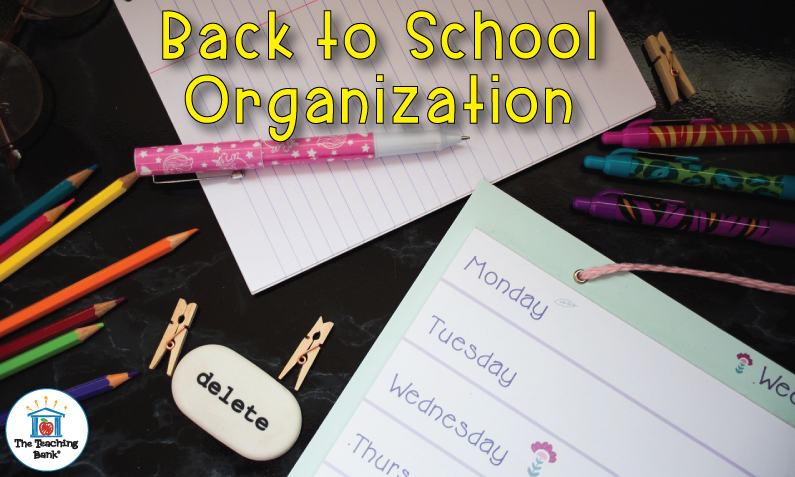


 Organizing for back-to-school is a crucial step in setting the tone for a successful academic year. By creating a comprehensive to-do list, organizing your classroom, refreshing your curriculum, managing time effectively, fostering parent-teacher communication, connecting with colleagues, and prioritizing self-care, you can ensure a smooth and successful start to the new school year.

 As spring blooms and the weather shifts, I’m sure many of us are itching to step outside. I can only imagine how restless students, confined indoors, must feel! Spring beckons us to venture out, experience the blossoming world—not merely observe it through a window. Nevertheless, school must go on. How do you engage students in learning when their attention drifts with the allure of the outdoors?


 Based on the resources, especially over the summer, this could consist of spring annuals for beauty or possibly vegetables for nourishment if the resources allow for it.