Before authoring the classic novel, Charlotte’s Web, E.B. White wrote of a mischievous mouse, Stuart Little. White’s premise for the story came to him in a dream as a young boy and through his prolific gift of storytelling brought it to life. While the tale of Stuart’s journey may seem like a simple story on the surface, its depth and richness offer a plethora of educational opportunities for young readers.
We earn a commission if you make a purchase, at no additional cost to you.
Benefits of Using Stuart Little in Your Classroom:
Stimulates Imagination: Stuart Little takes readers on a captivating journey through the eyes of a tiny mouse navigating the vast world of humans. By immersing students in Stuart’s adventures, teachers can ignite their imaginations and inspire them to see the world from different perspectives. The whimsical settings and colorful characters in the novel provide ample fuel for students’ creativity, encouraging them to envision their own extraordinary adventures.
Cultivates Critical Thinking: As Stuart encounters various challenges and obstacles on his quest to find his place in the world, readers are prompted to think critically about problem-solving and resilience. By analyzing Stuart’s decisions and actions, students can develop their critical thinking skills and learn valuable lessons about perseverance and adaptability. Moreover, discussing the themes present in the novel encourages students to engage in thoughtful reflection and analysis.
Promotes Empathy and Understanding: One of the most remarkable aspects of Stuart Little is its exploration of themes such as acceptance, belonging, and identity. Through Stuart’s experiences of navigating a world where he doesn’t quite fit in, students gain insight into the importance of empathy and understanding towards those who are different from themselves. By fostering discussions around empathy and inclusivity, teachers can create a more compassionate classroom environment where every student feels valued and respected.
Enhances Language and Literacy Skills: E.B. White’s masterful storytelling in Stuart Little provides an excellent opportunity for students to develop their language and literacy skills. From rich descriptive language to engaging dialogue, the novel offers countless examples for students to explore and analyze. By incorporating activities such as vocabulary building, comprehension exercises, and creative writing prompts, teachers can help students strengthen their reading and writing abilities while immersing them in the enchanting world of Stuart Little.
Connects Curriculum Across Disciplines: Stuart Little serves as a versatile educational tool that can be integrated across various subject areas. Teachers can incorporate the novel into lessons on science by exploring topics such as animal habitats and adaptations. In social studies, discussions can revolve around themes of diversity and cultural understanding. Additionally, the novel’s historical context provides opportunities for interdisciplinary learning, connecting literature with history and geography.
Incorporating Stuart Little by E.B. White into the classroom offers a wealth of educational benefits, from stimulating imagination and critical thinking to promoting empathy and understanding. By immersing students in the whimsical world of Stuart Little, teachers can inspire a lifelong love of reading and learning while nurturing essential skills for success in school and beyond.
I offer a complete novel study to accompany Stuart Little for use in the classroom or homeschool. The unit includes both a printable format and a Google Drive™ format for use in a paperless classroom or with Google Classroom.
Try a free sample of the novel study for Stuart Little
You can purchase this novel study at the following locations:
Are you interested in reading about and sharing ideas with other educators on using children’s literature in your classroom? My goal is to bring together teachers and homeschoolers who teach grades 3-8 and use novels with their students. I’d love for you to join me to learn, share, and grow together!
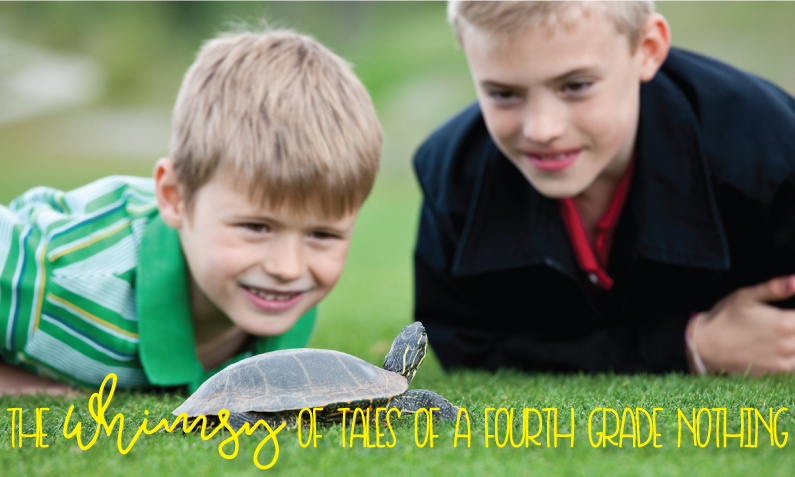
Tales of a Fourth Grade Nothing by Judy Blume is a classic children’s novel that is beloved by millions of young readers. I started every 4th-grade school year with Tales of a Fourth-Grade Nothing as our first novel unit. It is such a humorous book and opens up many discussions and activities tied to the curriculum and standards. Children relate to the main character, Peter Hatcher, and his struggles to get through the everyday life of a typical 4th grader. Throw in the antics of his younger brother, Fudge, and you are in for a treat! I have never had a child tell me they didn’t enjoy this book. Most students are fighting over who gets to read the sequel, Superfudge, as soon as we finish the unit!
We earn a commission if you make a purchase, at no additional cost to you.
Benefits of Using Tales of a Fourth-Grade Nothing in Your Classroom:
Contains Relatable Themes: One of the key strengths of Tales of a Fourth Grade Nothing lies in its relatability. The protagonist, Peter Hatcher, navigates the challenges of sibling dynamics, school life, and growing up – themes that resonate deeply with students. By delving into these relatable experiences, students not only engage more with the story but also gain insights into their own lives, fostering introspection and self-awareness.
Encourages Empathy: Through the character of Fudge, Peter’s mischievous younger brother, students are exposed to diverse personalities and perspectives. This exposure nurtures empathy as they learn to understand and appreciate differences in behavior and personality traits. Discussions around empathy and understanding others’ viewpoints naturally arise from the interactions between characters, promoting a positive classroom environment built on respect and compassion.
Promotes Critical Thinking: Analyzing the plot, character motivations, and conflicts in Tales of a Fourth Grade Nothing encourages critical thinking skills among students. They learn to dissect narratives, identify cause-and-effect relationships, and make predictions based on evidence from the text. Such analytical skills are invaluable across various academic disciplines and real-life situations, preparing students for higher-level thinking and problem-solving.
Cultivates Creativity: Judy Blume’s vivid storytelling and engaging narrative style inspire creativity in young minds. Students are encouraged to explore their imagination, visualize scenes from the book, and even create their own stories or alternate endings. Creative activities such as art projects, role-playing, or writing assignments based on the novel further enhance students’ artistic expression and communication skills.
Enhances Language Skills: Incorporating Tales of a Fourth-Grade Nothing into the curriculum provides ample opportunities to improve language skills. From vocabulary expansion to understanding figurative language and exploring dialogue, students immerse themselves in language-rich content that enhances their reading comprehension and communication abilities. Additionally, discussions and debates on themes and character motivations refine their verbal expression and critical analysis skills.
Fosters a Love For Reading: Introducing students to captivating stories like Tales of a Fourth Grade Nothing fosters a lifelong love for reading. As they immerse themselves in the world of books, students develop a habit of reading for pleasure and information, expanding their knowledge and worldview beyond the classroom walls.
Tales of a Fourth Grade Nothing by Judy Blume offers a myriad of benefits for students, from promoting empathy and critical thinking to enhancing creativity and language skills. By incorporating this novel into classroom activities, teachers create a dynamic learning environment that nurtures holistic development and a passion for lifelong learning.
I offer a complete novel study to accompany Tales of a Fourth Grade Nothing for use in the classroom or homeschool. The unit includes both a printable format and a Google Drive™ format for use in a paperless classroom or with Google Classroom.
Try a free sample of the novel study for Tales of a Fourth-Grade Nothing
You can purchase this novel study at the following locations:
Are you interested in reading about and sharing ideas with other educators on using children’s literature in your classroom? My goal is to bring together teachers and homeschoolers who teach grades 3-8 and use novels with their students. I’d love for you to join me to learn, share, and grow together!
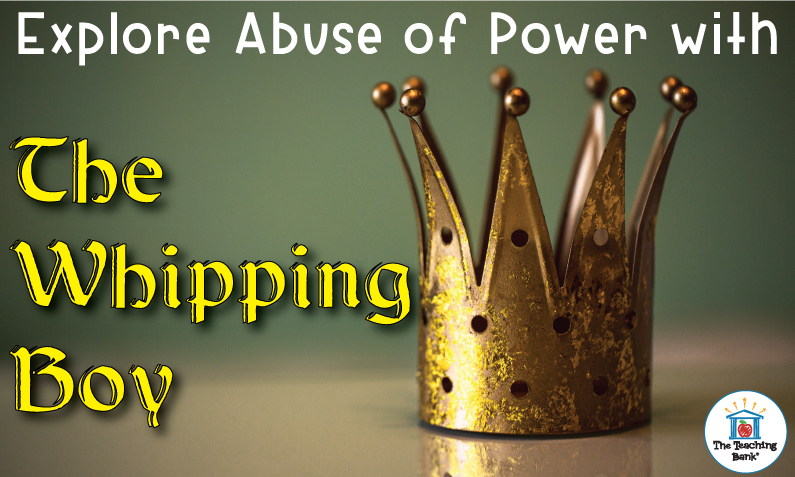
The Whipping Boy by Sid Fleischman is a strong and entertaining novel to use to illustrate the abuse of power theme. It is a great book to use in your classroom or homeschool for a whole class novel study, small book groups, or individual book studies.
We earn a commission if you make a purchase, at no additional cost to you.
Benefits of Using The Whipping Boy in Your Classroom:
Offers a Captivating Narrative: The Whipping Boy weaves a captivating narrative set in a medieval kingdom, where a mischievous prince and his unlikely companion, the whipping boy, embark on a thrilling adventure. The novel’s fast-paced plot and richly developed characters keep readers eagerly turning pages, making it an ideal choice for engaging young minds. By immersing students in this enchanting tale, teachers can foster a love for reading while simultaneously addressing core literary elements such as plot, character development, and setting.
Showcases Themes of Friendship and Redemption: At its core, The Whipping Boy explores themes of friendship, empathy, and redemption. As the prince and his whipping boy navigate the challenges of their journey, they learn valuable lessons about compassion and the consequences of their actions. Through thought-provoking discussions and activities centered around these themes, teachers can instill important values in their students while fostering a deeper understanding of moral dilemmas and character development.
Provides Historical and Cultural Exploration: Set against the backdrop of a medieval kingdom, The Whipping Boy offers a unique opportunity for students to explore historical and cultural elements of the time period. From the intricacies of royal court life to the social hierarchies of the era, the novel provides a rich tapestry for classroom exploration. By incorporating supplementary resources such as historical texts, primary sources, and multimedia materials, teachers can enhance students’ understanding of the historical context while promoting critical thinking and analytical skills.
Opportunities for Cross-Curricular Connections: Beyond its literary merits, The Whipping Boy lends itself to a variety of cross-curricular connections, making it a versatile resource for educators. Teachers can integrate the novel into lessons on history, language arts, social studies, and even art and music. Whether analyzing the feudal system, writing character journals, or composing medieval-inspired music, students can explore interdisciplinary connections that deepen their learning experience and foster creativity.
Promotes Empathy and Perspective-Taking: Through the diverse cast of characters and their respective journeys, The Whipping Boy offers students a window into different perspectives and lived experiences. By empathizing with characters from varying backgrounds and social statuses, students can develop empathy and cultural sensitivity, essential skills for navigating an increasingly interconnected world. Through guided discussions and activities, teachers can facilitate meaningful conversations about empathy, identity, and social justice, empowering students to become empathetic and compassionate global citizens.
Incorporating The Whipping Boy into the classroom curriculum offers a myriad of benefits, from fostering a love for reading to promoting empathy and critical thinking skills. As educators strive to create engaging and meaningful learning experiences for their students, this timeless novel serves as a valuable tool for igniting curiosity, sparking imagination, exploring the abuse of power, and nurturing empathy.
I offer a complete novel study to accompany The Whipping Boy for use in the classroom or homeschool. The unit includes both a printable format and a Google Drive™ format for use in a paperless classroom or with Google Classroom.
Try a free sample of the novel study for The Whipping Boy
You can purchase this novel study at the following locations:
Are you interested in reading about and sharing ideas with other educators on using children’s literature in your classroom? My goal is to bring together teachers and homeschoolers who teach grades 3-8 and use novels with their students. I’d love for you to join me to learn, share, and grow together!
The Chronicles of Narnia, a classic series of seven fantasy novels written by C.S. Lewis, has been beloved by readers of all ages for over half a century. The Silver Chair, the sixth book in the series, is a thrilling and engaging tale that offers numerous benefits for teachers looking to incorporate it into their classroom curriculum.
We earn a commission if you make a purchase, at no additional cost to you.
Benefits of using The Silver Chair in Your Classroom:
Stimulates Imagination and Creativity: The Silver Chair is a captivating story that is full of magic, mystery, and adventure. It is set in the imaginary land of Narnia, where talking animals, mythical creatures, and enchanting landscapes abound. The book stimulates students’ imagination and creativity, encouraging them to think outside the box and explore new ideas. Reading The Silver Chair can also help students develop their visual imagination by painting vivid pictures in their minds.
Enhances Reading and Language Skills: The Silver Chairis written in a language that is accessible to young readers, but it also introduces them to more advanced vocabulary and sentence structures. By reading the book, students can improve their reading and language skills, expand their vocabulary, and develop their comprehension abilities. They will also learn how to analyze and interpret the author’s use of language and style, helping them become more effective readers and writers.
Fosters Critical Thinking and Problem-Solving:The Silver Chairfeatures complex characters, intricate plotlines, and ethical dilemmas that challenge students’ critical thinking and problem-solving abilities. The book offers numerous opportunities for students to reflect on the actions of the characters and analyze the consequences of their choices. It also provides a platform for discussing important topics such as loyalty, responsibility, and integrity, helping students develop their moral reasoning skills.
Teaches Cultural Literacy and Historical Context: The Chronicles of Narnia were written in the mid-twentieth century, and they reflect the cultural and historical context of that time. Reading The Silver Chaircan provide students with insight into the social, cultural, and political values of that era. It can also help them understand the literary and cultural traditions that influenced Lewis’s writing, and how those traditions have continued to shape the fantasy genre.
Builds Empathy and Social Skills:The Silver Chair is a book that is rich in character development and relationships. It features a diverse cast of characters who struggle with complex emotions and interpersonal dynamics. Reading the book can help students develop empathy and social skills by encouraging them to relate to the characters and understand their perspectives. It can also provide a platform for discussing important topics such as friendship, diversity, and conflict resolution.
The Silver Chair is an excellent book to include in your classroom curriculum. It offers numerous benefits for students, including stimulating their imagination, enhancing their reading and language skills, fostering critical thinking and problem-solving, teaching cultural literacy and historical context, and building empathy and social skills. By incorporating The Silver Chair into your classroom, you can provide your students with a fun and engaging way to learn important skills and concepts that will serve them well throughout their lives.
I offer a complete novel study to accompany The Silver Chair for use in the classroom or homeschool. The unit includes both a printable format and a Google Drive™ format for use in a paperless classroom or with Google Classroom.
Are you interested in reading about and sharing ideas with other educators on using children’s literature in your classroom? My goal is to bring together teachers and homeschoolers who teach grades 3-8 and use novels with their students. I’d love for you to join me to learn, share, and grow together!
Niagara Falls or Does It? is the first book in Henry Winkler and Lin Oliver’s Hank Zipzer series. Hank Zipzer is inspired by the challenges that Henry Winkler (best known as the Fonz!) faced as a boy with undiagnosed Dyslexia. Henry’s undiagnosed Dyslexia made him a classic underachiever and gave him anxiety about all aspects of going to school.
We earn a commission if you make a purchase, at no additional cost to you.
The Hank Zipzer series is about Hank’s funny adventures while highlighting the inner thoughts, doubts, and fears that living with learning differences poses. Henry himself, along with his co-author, Lin Oliver, explain their inspiration for the series here:
I loved the quote from Lin Oliver, ” The most important part for us in creating the series is to speak to kids and let them know that inside each one of them they have a unique and special contribution that they can make to the world.” Kids that face learning challenges, among them Dyslexia, often face depression and low-self esteem, thinking they are dumb or less than their peers. The series gives kids the voice to know that they aren’t “stupid” that they are just wired in a different way, and in many ways, this makes them even more talented in certain things.
As a parent of a child who deals with similar learning challenges, I find Henry Winkler and his character Hank Zipzer so inspiring. I was so happy to be able to give this book to my son in third grade so that he could read a book which had a character that he could relate to to inspire, knowing he is smarter than he may feel. Add the humor. and this kid was hooked. It’s great that there are sixteen more books in the series to keep kids reading.
I’d like to share another video from Henry Winkler, where he discusses Dyslexia and shares his experiences. He is an inspiring role model for kids with learning challenges, and if you have someone in your life struggling, be it a student or your own child, please share this with them as well.
Benefits of Using Niagara Falls, or Does It? in Your Classroom:
Offers aRelatable Protagonist: Hank Zipzer, the main character of the book, is a relatable figure for many students. Hank struggles with Dyslexia, a learning difference that affects his academic performance and self-esteem. His journey resonates with students who may face similar challenges, offering them a character they can identify with and providing a platform for discussions about diversity, empathy, and resilience.
Promotes Literacy and Empathy: Niagara Falls or Does It? not only entertains but also promotes literacy skills and empathy. As students follow Hank’s adventures, they are exposed to rich vocabulary, descriptive language, and engaging storytelling. Additionally, the book fosters empathy as readers gain insight into Hank’s experiences and emotions, encouraging them to understand and appreciate differences in others.
Explores Important Themes: This novel touches on various themes that are relevant to students’ lives, such as friendship, family dynamics, overcoming challenges, and the importance of perseverance. By exploring these themes through Hank’s experiences, teachers can initiate meaningful discussions and activities that encourage critical thinking and personal reflection.
ProvidesMultidisciplinary Learning Opportunities: Niagara Falls or Does It? provides ample opportunities for multidisciplinary learning. Teachers can incorporate activities related to geography, history, science, and even mathematics, making the book a versatile addition to various subject areas. From exploring the geography of Niagara Falls to conducting experiments related to water flow, the possibilities for cross-curricular integration are endless.
Encourages a Growth Mindset: Hank Zipzer’s journey exemplifies the power of a growth mindset – the belief that abilities can be developed through dedication and effort. Despite facing numerous obstacles, Hank perseveres and learns to embrace his strengths and weaknesses. By highlighting Hank’s growth mindset, teachers can inspire students to adopt a positive attitude towards challenges and view mistakes as opportunities for learning and growth.
Supports Inclusivity and Diversity: In today’s diverse classrooms, it is essential to include literature that reflects the experiences of all students. Niagara Falls or Does It? celebrates diversity through its portrayal of characters from different backgrounds and abilities. By featuring a protagonist with dyslexia, the book promotes inclusivity and encourages acceptance of individual differences.
Niagara Falls or Does It? offers a wealth of educational benefits that make it a valuable addition to any classroom curriculum. From promoting literacy and empathy to fostering a growth mindset and celebrating diversity, this novel has the power to engage students on multiple levels while imparting important life lessons. Teachers who incorporate Hank Zipzer into their classroom instruction will not only enrich their students’ learning experiences but also cultivate a culture of empathy, resilience, and inclusivity.
I offer a complete novel study to accompany Niagara Falls, or Does it? for use in the classroom or homeschool. The unit includes both a printable format and a Google Drive™ format for use in a paperless classroom or with Google Classroom.
Try a free sample of the novel study for Hank Zipzer: Niagara Falls, or Does It?
You can purchase this novel study at the following locations:
Once you’ve moved through the Hank Zipzer series another great book that comes from the voice of a character with Dyslexia which I highly recommend for kids in grades 4-6, is Fish in a Tree by Lynda Mulally Hunt.
Are you interested in reading about and sharing ideas with other educators on using children’s literature in your classroom? My goal is to bring together teachers and homeschoolers who teach grades 3-8 and use novels with their students. I’d love for you to join me to learn, share, and grow together!