Looking for an engaging On My Honor novel study to help your students dig deeper into Marion Dane Bauer’s powerful novel? On My Honor is an excellent choice for upper elementary and middle school readers, offering meaningful opportunities to explore friendship, responsibility, peer pressure, difficult choices, guilt, grief, and consequences.
A complete On My Honor book unit can help turn those themes into meaningful reading, writing, vocabulary, grammar, and critical-thinking activities.
We earn a commission if you make a purchase, at no additional cost to you.
About On My Honor by Marion Dane Bauer
In On My Honor, Joel and Tony set out on a bike ride that takes an unexpected and tragic turn. As Joel faces the consequences of what happens, readers are challenged to think about friendship, honesty, responsibility, fear, guilt, and the choices people make.
The novel provides plenty of opportunities for classroom discussion and literary analysis. Students can examine the characters’ decisions, consider how those decisions affect the plot, and explore the larger themes that develop throughout the story.
Because of its emotional depth and relatively short length, On My Honor can be a particularly effective novel for a 5th, 6th, 7th, or 8th grade ELA novel study.
Why Teach On My Honor?
There are many reasons On My Honor works well as a classroom novel.
Friendship and Responsibility
Joel and Tony’s friendship allows students to discuss what it means to be a good friend—and what can happen when friends make choices without fully considering the consequences.
Choices and Consequences
The novel naturally lends itself to conversations about decision-making. Students can examine the choices made by the characters and consider how those choices influence the events that follow.
Guilt, Grief, and Emotional Responses
On My Honor gives students opportunities to explore complex emotions and consider how different characters respond to difficult circumstances.
Peer Pressure and Risk-Taking
Students can discuss how friendships and peer pressure can influence decisions and how young people respond when they find themselves in difficult situations.
Character Development
Joel provides rich opportunities for character analysis. Students can examine his thoughts, actions, relationships, and reactions throughout the novel and use textual evidence to support their ideas.
Critical Thinking and Literary Analysis
The story provides opportunities to teach important ELA skills, including plot, characterization, theme, conflict, point of view, author’s purpose, inference, and supporting answers with text evidence.
On My Honor Novel Study Activities
If you’re looking for ready-to-use On My Honor activities, a comprehensive novel study can save hours of planning while keeping students actively engaged with the book.
A complete On My Honor book unit can include:
Chapter-by-chapter comprehension questions
Reading comprehension activities
Vocabulary activities
Grammar practice
Writing activities
Character analysis
Literary analysis
Discussion questions
Reading assessments
Extended writing
End-of-book activities
Answer keys
Teacher resources
Common Core ELA standards alignment
These activities allow you to use the novel as more than simply a reading assignment. Students can practice a variety of ELA skills while thinking critically about the story.
A No-Prep On My Honor Novel Unit
Planning a novel study from scratch can take a tremendous amount of time. You need comprehension questions, vocabulary activities, writing assignments, assessments, answer keys, and additional activities—and then you have to organize everything into a workable unit.
The unit is designed for Grades 5–8 and includes both printable PDF materials and digital Google Drive™ resources, giving you the flexibility to use the materials in a traditional classroom, paperless classroom, Google Classroom, homeschool setting, or for independent reading.
What’s Included?
The On My Honor Novel Study includes:
Teacher lesson plans and resources
Reading comprehension questions
Vocabulary and grammar activities
Writing activities
Spelling activities
Assessments
Answer keys
Common Core standards alignment
End-of-book activities
Printable student materials
Digital Google Drive™ materials
The goal is simple: give you ready-to-use resources so you can spend less time planning and more time teaching.
Whether you’re looking for On My Honor comprehension questions, vocabulary activities, writing prompts, or a complete novel unit, having all of the materials together makes teaching the book much easier.
Try the Free Preview
Want to see what is included before purchasing?
Download the free preview of the On My Honor Novel Study to see examples of the student activities and teacher resources included in the complete unit.
Make On My Honor More Than Just a Reading Assignment
On My Honor gives students an opportunity to think about friendship, responsibility, choices, and consequences while developing important reading and ELA skills.
With a complete On My Honor novel study, you can turn those opportunities into structured lessons, meaningful discussions, writing activities, and assessments—without spending hours creating everything yourself.
Ready to teach On My Honor?
Connect with Fellow Educators!
Are you teaching On My Honor this school year?
Join our free community, Book Talk with The Teaching Bank, to share ideas, grab freebies, and connect with 3rd–8th grade teachers using novels in the classroom!
*The Teaching Bank participates in the Amazon Associate Program and earns a fee from qualifying purchases made on the Amazon.com site.
We earn a commission if you make a purchase, at no additional cost to you.
Benefits of Using The 18th Emergency in Your Classroom:
Offers an Engaging Narrative and Relatable Themes: The 18th Emergency weaves a narrative that resonates with the experiences and emotions of young readers. At its core, the novel explores themes of fear, friendship, resilience, and self-discovery, offering students a lens through which to examine their own lives and navigate the complexities of adolescence. Byars’ masterful storytelling captivates readers from the opening pages, ensuring that students remain invested in the narrative journey from start to finish.
Promotes Critical Thinking and Empathy: Through its well-drawn characters and thought-provoking scenarios, The 18th Emergency encourages students to think critically about the choices and actions of the protagonists. By grappling with moral dilemmas and ethical questions presented in the novel, students develop their capacity for empathy and ethical reasoning, skills that are essential for navigating the complexities of the real world. By fostering open dialogue and reflection, teachers can harness the novel’s potential to cultivate compassionate and socially aware individuals.
Enhances Literacy Skills and Vocabulary Acquisition: Incorporating The 18th Emergency into the curriculum provides ample opportunities for students to develop and refine their literacy skills. By engaging with rich and descriptive language, students expand their vocabulary and deepen their understanding of literary devices and techniques. Furthermore, the novel’s accessible yet sophisticated writing style allows students to strengthen their comprehension abilities while immersing themselves in a compelling narrative.
Addresses Social and Emotional Learning (SEL) Objectives: As educators increasingly recognize the importance of social and emotional learning (SEL) in the classroom, The 18th Emergency emerges as a valuable resource for supporting students’ holistic development. Through the experiences of the characters, students explore themes of resilience, self-confidence, and emotional intelligence, fostering a deeper understanding of themselves and their peers. By facilitating discussions and activities centered around these themes, teachers can create a supportive classroom environment that promotes empathy, self-awareness, and positive relationships.
The 18th Emergency by Betsy Byars offers a wealth of benefits for teachers looking for an engaging narrative and relatable themes that promote critical thinking and social-emotional learning, the novel serves as a valuable tool for educators committed to nurturing the intellectual, emotional, and social growth of their students. By incorporating this captivating book into their classroom, teachers can inspire a lifelong love of learning.
I offer a complete novel study to accompany The 18th Emergency for use in the classroom or homeschool. The unit includes both a printable format and a Google Drive™ format for use in a paperless classroom or with Google Classroom.
Try a free sample of the novel study for The 18th Emergency
You can purchase this novel study at the following locations:
Are you interested in reading about and sharing ideas with other educators on using children’s literature in your classroom? My goal is to bring together teachers and homeschoolers who teach grades 3-8 and use novels with their students. I’d love for you to join me to learn, share, and grow together!
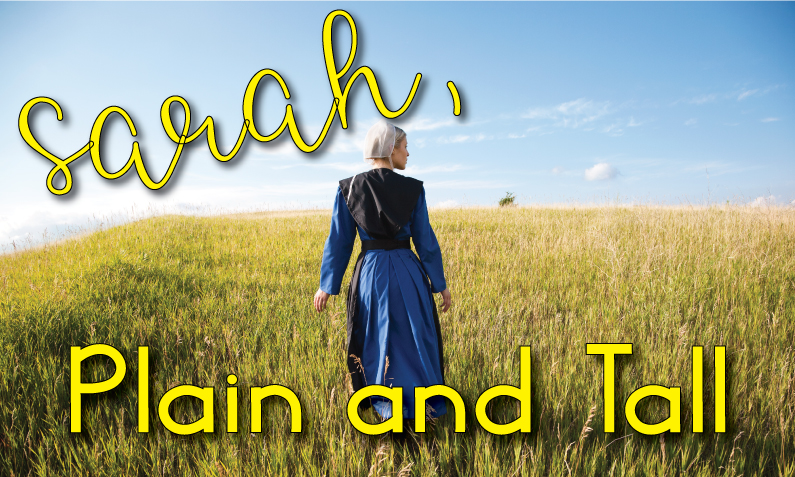
Looking for a meaningful Sarah, Plain and Tall novel study for your 3rd, 4th, or 5th grade classroom? Patricia MacLachlan’s Sarah, Plain and Tall is a beautiful, accessible novel that gives upper elementary students opportunities to explore family, love, loss, grief, acceptance, change, and belonging while strengthening their reading comprehension and literary analysis skills.
Set on the American prairie in the late 19th century, this award-winning historical fiction novel follows Anna, Caleb, and their father as they adjust to the arrival of Sarah, a woman who has traveled from Maine to consider becoming part of their family.
Its relatively simple language makes Sarah, Plain and Tall accessible to elementary readers, while its deeper themes provide plenty of opportunities for thoughtful classroom discussion.
We earn a commission if you make a purchase, at no additional cost to you.
Why Teach Sarah, Plain and Tall?
A great novel does more than keep students reading—it gives them something worth discussing, questioning, and thinking about.
Sarah, Plain and Tall is an especially effective choice for an upper elementary novel study because students can explore both the story itself and the larger ideas behind it.
Explore Themes of Family, Love, and Loss
The story allows students to think about what makes a family and how people respond to change. Anna and Caleb are still grieving the loss of their mother, while Sarah must decide whether she can leave her life in Maine and build a new one with them.
These experiences open the door to meaningful conversations about grief, loneliness, family relationships, acceptance, and the courage it takes to embrace change.
Strengthen Reading Comprehension
Because the story is short and accessible, students can focus on important reading skills rather than becoming overwhelmed by the length or complexity of the text.
A Sarah, Plain and Tall reading unit can provide practice with:
Character analysis
Plot and sequencing
Making inferences
Identifying themes
Using text evidence
Understanding vocabulary in context
Summarizing
Making predictions
Analyzing setting
Responding to literature
These skills make the novel a natural fit for 3rd, 4th, and 5th grade ELA instruction.
Study Life on the American Prairie
The setting also makes Sarah, Plain and Tall a natural connection to social studies.
Students can learn about what life was like for families living on the prairie during the late 1800s and discuss topics such as westward expansion, homesteading, pioneer life, and the challenges of living in a rural environment.
The novel can therefore become more than a reading assignment—it can serve as a starting point for cross-curricular learning.
Encourage Meaningful Classroom Discussions
Some of the best classroom conversations happen when students can connect literature to their own lives.
Sarah’s decision to leave Maine, Anna and Caleb’s feelings about losing their mother, and the family’s uncertainty about the future all provide opportunities for students to discuss change, relationships, belonging, and dealing with difficult emotions.
These conversations can help students see literature as something more than answering questions after each chapter.
Make Sarah, Plain and Tall Easier to Teach
A high-quality novel is wonderful to teach—but creating all of the reading comprehension questions, vocabulary activities, writing assignments, assessments, and extension activities to accompany it can take hours.
My complete novel study provides everything you need to turn the book into a structured 3rd–5th grade literature unit without having to create every activity yourself.
The resource is available in both printable and digital Google Drive™ formats, making it flexible enough for traditional classrooms, paperless instruction, small groups, literature circles, or homeschool.
What’s Included?
The complete Sarah, Plain and Tall book unit includes:
The activities are designed to keep students actively thinking about the novel while giving you the structure and resources needed to teach it with minimal preparation.
Not sure if this Sarah, Plain and Tall novel study is right for your students?
Take a look at the free preview to see sample pages and get a feel for how the unit works in the classroom.
Turn Sarah, Plain and Tall Into a Complete Literature Unit
Sarah, Plain and Tall is a deceptively simple story with plenty of opportunities for deeper learning. Its themes of family, loss, love, acceptance, and change give students something meaningful to discuss, while its accessible text makes it an excellent choice for upper elementary readers.
If you’re looking for a Sarah, Plain and Tall novel study for grades 3–5, a ready-to-use unit can help you spend less time creating materials and more time helping your students engage with the story.
You can purchase this novel study at the following locations:
Whether you’re planning a whole-class novel unit, a small-group reading study, literature circles, or an independent reading assignment, this resource gives you a practical, no-prep way to teach Sarah, Plain and Tall while building essential reading and writing skills.
Connect with Fellow Educators!
Are you teaching Sarah, Plain and Tall this school year?
Join our free community, Book Talk with The Teaching Bank, to share ideas, grab freebies, and connect with 3rd–8th grade teachers using novels in the classroom!
*The Teaching Bank participates in the Amazon Associate Program and earns a fee from qualifying purchases made on the Amazon.com site.
If you’re looking for a high-interest novel for upper elementary or middle school readers, Night of the Twisters by Ivy Ruckman is an excellent choice. This fast-paced historical fiction novel combines adventure, natural disasters, courage, family, community, and survival in a story that can keep even reluctant readers turning the pages.
But Night of the Twisters offers teachers much more than an exciting story.
The novel provides opportunities to teach reading comprehension, vocabulary, character development, theme, inference, writing, critical thinking, and literary analysis while making meaningful connections to science, weather, and real-world events.
And because the story is based on an actual tornado outbreak, students can explore the fascinating connection between fiction and history.
What Is Night of the Twisters About?
Written by Ivy Ruckman, Night of the Twisters is a semi-fictionalized account of the devastating tornado outbreak that struck Grand Island, Nebraska, in June 1980.
The story follows 12-year-old Dan Hatch, who finds himself caught in the middle of a terrifying night when multiple tornadoes move through his community.
After his home and neighborhood are damaged, Dan begins searching for his parents while the tornadoes continue to threaten the area.
The result is a suspenseful story filled with danger, uncertainty, and difficult decisions.
Students aren’t simply reading about a tornado. They’re experiencing the disaster through the eyes of a young character who must cope with fear, responsibility, and the need to protect the people he loves.
That makes Night of the Twisters particularly effective for classroom discussions about courage, resilience, family, community, and overcoming adversity.
We earn a commission if you make a purchase, at no additional cost to you.
The Real Night of the Twisters
One of the best ways to enhance a Night of the Twisters novel study is to help students understand the real historical event behind the story.
The tornado outbreak occurred in Grand Island, Nebraska, on June 3, 1980. Multiple tornadoes moved through the area that evening, causing extensive destruction and affecting homes, businesses, and families throughout the community.
This real-world connection allows teachers to move beyond the novel and ask students questions such as:
What parts of the novel are based on real events?
How does an author transform a historical event into a fictional story?
Why might an author choose to tell a historical event from a child’s point of view?
How would your response be different if you experienced a similar natural disaster?
What can communities do to prepare for severe weather?
How do people respond and work together after a disaster?
You can also pair the novel with informational texts about tornadoes, severe weather, meteorology, weather safety, and natural disasters for a cross-curricular learning experience.
Night of the Twisters has been honored with several awards over the years, including the Golden Sower Award, the Iowa Children’s Choice Award, and the Sequoyah Children’s Book Award. This novel has also been honored with the Outstanding Science Trade Books for Children recommendation by the National Science Teachers Association and the Children’s Book Council.
Why Teach Night of the Twisters?
There are many reasons this novel works well in an upper elementary or middle school classroom.
1. It Hooks Reluctant Readers
Some students struggle to become invested in traditional literary fiction. A story about a terrifying tornado outbreak immediately raises the stakes.
The suspenseful plot gives students a reason to keep reading because they want to know what happens to Dan, his family, and the other characters.
That natural curiosity makes Night of the Twisters a great choice for novel studies, literature circles, book clubs, small-group reading, or independent reading.
2. It Provides Rich Opportunities for Character Analysis
Dan faces frightening and unfamiliar circumstances throughout the story.
Students can examine how his experiences affect his thoughts, decisions, relationships, and behavior.
Consider asking:
How does Dan change throughout the story?
What motivates his decisions?
How does he respond when he is afraid?
What responsibilities does Dan take on?
Which characters demonstrate courage?
How do characters support one another?
These questions naturally lead students toward deeper character analysis and textual evidence.
3. It Explores Important Themes
Night of the Twisters provides opportunities to explore themes that students can connect to their own lives.
Possible themes include:
Courage
Resilience
Family
Friendship
Community
Responsibility
Survival
Helping others
Overcoming adversity
Students can support their ideas with evidence from the text and discuss how specific events contribute to the development of each theme.
4. It Encourages Critical Thinking
A strong novel study should do more than ask students to recall what happened in each chapter.
Night of the Twisters gives students opportunities to infer, analyze, evaluate, predict, compare, and support their thinking with textual evidence.
For example, students might:
Make predictions about what will happen next
Explain characters’ motivations
Analyze cause and effect
Determine the theme
Identify important conflicts
Explain how events affect characters
Compare fictional events with historical information
Support opinions with evidence
These activities help turn reading into an active process rather than simply answering comprehension questions.
Make Cross-Curricular Connections
One of the biggest advantages of using Night of the Twisters is the opportunity to connect literature with other areas of the curriculum.
Science
Use the novel as a springboard for studying:
Tornado formation
Severe weather
Weather forecasting
Storm safety
Tornado watches and warnings
Meteorology
Natural disasters
Students can research how tornadoes form and compare their research with the events described in the novel.
Social Studies
Because the story is based on a real event, students can investigate the 1980 Grand Island tornado outbreak and examine how communities respond to major disasters.
Writing
The novel can inspire a variety of writing activities, including:
Personal narratives
Character analysis
Opinion writing
Informative writing
Creative writing
Journal responses
Historical fiction
Newspaper articles
For example, students could imagine they are newspaper reporters covering the tornado outbreak and write an article describing what happened.
Use a Complete Night of the Twisters Novel Study
If you want to teach Night of the Twisters without spending hours creating comprehension questions, vocabulary activities, writing assignments, and assessments yourself, a ready-to-use novel study can save significant planning time.
My Night of the Twisters Novel Study is designed for Grades 4–6 and provides a comprehensive way to teach the novel while reinforcing important ELA skills.
The resource includes both printable and digital formats, making it easy to use in a traditional classroom, paperless classroom, homeschool setting, or with Google Classroom.
What’s Included?
The complete novel study includes resources for:
Reading comprehension
Chapter-by-chapter questions
Vocabulary
Grammar
Spelling
Writing
Character and story analysis
Interactive notebook activities
Assessments
Extension activities
Common Core standards
Teacher answer keys
Printable student materials
Digital Google Drive™ resources
The goal is simple: give you the materials you need to teach the novel without having to create everything yourself.
Not sure if the Night of the Twisters novel study is right for your students?
You can preview the resource before purchasing to see examples of the activities, question formats, and student materials included.
You can purchase this novel study at the following locations:
Night of the Twisters is much more than a suspenseful story about a tornado.
It allows students to explore literature, history, science, character development, resilience, and community through a high-interest story based on a real event.
For teachers, that makes it a particularly versatile novel for Grades 4–6.
Whether you’re looking for a novel to use during a tornado or weather unit, a high-interest book for reluctant readers, a text for literature circles, or a complete ELA novel study, Night of the Twisters offers plenty of opportunities for meaningful learning.
And with a ready-to-use novel study, you can spend less time creating materials and more time helping your students read, think, discuss, and connect with the story.
Connect with Fellow Educators!
Are you teaching Night of the Twisters this school year?
Join our free community, Book Talk with The Teaching Bank, to share ideas, grab freebies, and connect with 3rd–8th grade teachers using novels in the classroom!
*The Teaching Bank participates in the Amazon Associate Program and earns a fee from qualifying purchases made on the Amazon.com site.
Be a Perfect Person in Just Three Days by Stephen Manes captivates young minds through the power of literature. It is a great novel for teachers seeking to infuse creativity, critical thinking, and moral lessons into their classrooms.
We earn a commission if you make a purchase, at no additional cost to you.
Benefits of Using Be a Perfect Person in Just Three Days in Your Classroom:
Offers Captivating Storytelling: At the heart of Be a Perfect Person in Just Three Days lies a captivating narrative that follows the misadventures of Milo Crinkley, a young boy on a quest to become perfect in a mere three days. Manes’ storytelling prowess shines through his vivid descriptions, witty dialogue, and relatable characters, making the journey both entertaining and thought-provoking for readers of all ages. By immersing students in this whimsical tale, teachers can ignite their imagination and instill a passion for reading that transcends the confines of the classroom.
Contains Themes of Self-Discovery and Acceptance:Be a Perfect Person in Just Three Days explores the timeless themes of self-discovery, acceptance, and the pursuit of perfection. As Milo embarks on his quest, he encounters a series of challenges that force him to confront his flaws and embrace his true self. This narrative arc provides teachers with a powerful springboard for discussing topics such as identity, self-esteem, and the importance of embracing one’s imperfections. By exploring these themes through the lens of literature, educators can empower their students to navigate the complexities of adolescence with confidence and resilience.
Promotes Critical Thinking and Empathy: In addition to its thematic richness, Be a Perfect Person in Just Three Days offers ample opportunities for critical thinking and empathetic engagement. As students unravel Milo’s journey, they are prompted to analyze his motivations, actions, and the consequences of his choices. Through lively classroom discussions and interactive activities, teachers can encourage students to empathize with Milo’s struggles, reflect on their own values, and consider the broader implications of societal pressures to conform. By fostering empathy and critical thinking skills, educators equip their students with the tools they need to navigate moral dilemmas and contribute positively to their communities.
Cultivates a Love for Learning: Ultimately, the integration of Be a Perfect Person in Just Three Days into the classroom cultivates a love for learning that extends far beyond the pages of the novel. By fostering a supportive environment where students feel encouraged to explore, question, and create, teachers lay the groundwork for a lifelong appreciation of literature and the arts. Whether through creative writing assignments, theatrical adaptations, or multimedia projects, educators can harness the transformative power of storytelling to inspire their students and nurture their intellectual curiosity.
In an age of standardized testing and data-driven instruction, it is easy to overlook the profound impact that literature can have on the hearts and minds of young learners. However, by embracing novels such as Be a Perfect Person in Just Three Days by Stephen Manes, teachers can encourage their students to become compassionate, critical thinkers who are unafraid to embrace their imperfections.
I offer a complete novel studyto accompany Be a Perfect in Just Three Days for use in the classroom or homeschool. The unit includes both a printable format and a Google Drive™ format for use in a paperless classroom or with Google Classroom.
Try a free sample of the novel study for Be a Perfect Person in Just Three Days
You can purchase this novel study at the following locations:
Are you interested in reading about and sharing ideas with other educators on using children’s literature in your classroom? My goal is to bring together teachers and homeschoolers who teach grades 3-8 and use novels with their students. I’d love for you to join me to learn, share, and grow together!



 Connect with Fellow Educators!