About From the Mixed-Up Files of Mrs. Basil E. Frankweiler
From the Mixed-Up Files of Mrs. Basil E. Frankweiler by E. L. Konigsburg is a wonderful choice for a middle school or upper elementary novel study.
The story follows Claudia Kincaid and her younger brother Jamie as they decide to run away from home—but not just anywhere. They choose the Metropolitan Museum of Art in New York City as their temporary home.
Claudia carefully plans their escape, while Jamie focuses on saving money. Once they arrive at the museum, however, their adventure becomes much more complicated when they discover a mysterious statue that may have been created by the famous artist Michelangelo.
As students follow Claudia and Jamie’s adventure, they encounter themes of independence, family, identity, money, mystery, responsibility, and belonging.
These themes provide excellent opportunities for meaningful classroom discussions and deeper literary analysis.
We earn a commission if you make a purchase, at no additional cost to you.
Looking for a From the Mixed-Up Files of Mrs. Basil E. Frankweiler novel study that makes teaching this classic E. L. Konigsburg novel easier?
This complete From the Mixed-Up Files of Mrs. Basil E. Frankweiler book unit provides everything you need to guide students through the novel while building reading comprehension, vocabulary, writing, grammar, literary analysis, and critical-thinking skills.
Designed for grades 5–8, this no-prep novel study is perfect for whole-class instruction, small groups, literature circles, independent reading, or homeschool ELA.
And because both printable and Google Drive™ formats are included, you can use the resource in whatever format works best for your students.
Why Teach From the Mixed-Up Files of Mrs. Basil E. Frankweiler?
This classic children’s novel offers much more than an entertaining story.
Students can explore:
Character development
Setting
Plot and conflict
Theme
Point of view
Making inferences
Drawing conclusions
Supporting ideas with text evidence
Vocabulary in context
Author’s craft
Critical thinking
Written responses
The novel also lends itself naturally to discussions about independence and family relationships, making it a great way to connect reading skills with deeper conversations.
A Complete From the Mixed-Up Files Novel Study
If you don’t want to spend hours searching for individual worksheets, comprehension questions, vocabulary activities, writing prompts, and assessments, a complete novel unit can save you significant planning time.
Instead of piecing together separate activities, you have a ready-to-use collection of resources designed to take students from the beginning of the novel through assessment and written reflection.
What’s Included?
This complete novel study includes:
Teacher lesson plans and pacing support
Chapter-by-chapter comprehension activities
Vocabulary and grammar activities
Writing activities
Assessments
Answer keys
Additional reading and writing activities
Common Core standards alignment
Printable student resources
Google Drive™ versions for digital learning
The unit is designed to give you the flexibility to use the entire resource or select the activities that best fit your students and your schedule.
One of the biggest challenges of teaching a novel is finding the time to create meaningful activities to go along with it.
This no-prep novel study is designed to take much of that work off your plate.
Use the included resources for:
Whole-Class Novel Studies Guide your entire class through the novel with structured reading activities, comprehension questions, vocabulary, writing, and assessments.
Small-Group Instruction Use selected activities to support students who need additional reading practice or targeted instruction.
Literature Circles & Book Clubs Give students meaningful questions and activities to guide discussion and encourage deeper thinking about the novel.
Independent Reading Students can work through comprehension, vocabulary, and writing activities as they read independently.
Homeschool ELA The complete unit provides a convenient framework for teaching the novel at home without having to create every activity yourself.
Printable + Digital Novel Study
Today’s classrooms often require flexibility, which is why this From the Mixed-Up Files novel unit includes both printable and Google Drive™ formats.
Use the printable materials for traditional classroom instruction, or assign the digital resources through your preferred online learning platform.
Having both formats gives you the flexibility to adapt the unit to your classroom, students, and teaching style.
Build More Than Reading Comprehension
A strong novel study should do more than ask students what happened in each chapter.
This unit gives students opportunities to practice a variety of ELA and reading skills while engaging with the novel.
Students work on:
Reading comprehension
Vocabulary development
Grammar
Character analysis
Literary elements
Written response
Critical thinking
Text-based analysis
Writing skills
The goal is to help students become more thoughtful readers while giving you practical, ready-to-use teaching materials.
Looking for a From the Mixed-Up Files Novel Study?
If you’re planning to teach From the Mixed-Up Files of Mrs. Basil E. Frankweiler and want a complete resource that saves you planning time, this novel study is designed to give you everything you need in one place.
Whether you’re teaching 5th, 6th, 7th, or 8th grade, this flexible ELA unit can be adapted for whole-class reading, small groups, literature circles, independent work, or homeschool.
Try a free sample of the novel study for From the Mixed-Up Files of Mrs. Basil E. Frankweiler
Get the Complete From the Mixed-Up Files Novel Unit
Ready to make your next novel study easier?
This From the Mixed-Up Files of Mrs. Basil E. Frankweiler Novel Study Book Unit includes printable and digital resources covering comprehension, vocabulary, writing, grammar, assessment, and more.
Save time planning and spend more time helping your students become stronger, more thoughtful readers.
Connect with Fellow Educators!
Are you teaching From the Mixed-Up Files of Mrs. Basil E. Frankweiler this school year?
Join our free community, Book Talk with The Teaching Bank, to share ideas, grab freebies, and connect with 3rd–8th grade teachers using novels in the classroom!
*The Teaching Bank participates in the Amazon Associate Program and earns a fee from qualifying purchases made on the Amazon.com site.
Looking for a meaningful novel to teach in your upper elementary or middle school ELA classroom? Esperanza Rising by Pam Muñoz Ryan is an excellent choice for a novel study because it gives students opportunities to explore important themes while strengthening reading comprehension, vocabulary, writing, critical thinking, and literary analysis skills.
This engaging historical fiction novel follows Esperanza Ortega, a young girl whose comfortable life in Mexico changes dramatically after a family tragedy forces her to move to California with her mother. As Esperanza adjusts to a completely different way of life, students follow her journey of resilience, perseverance, family, identity, loss, and personal growth.
If you’re planning an Esperanza Rising novel study for 4th, 5th, or 6th grade, this book offers plenty of opportunities for meaningful classroom discussions and activities.
We earn a commission if you make a purchase, at no additional cost to you.
Why Teach Esperanza Rising?
One of the reasons Esperanza Rising works so well as a classroom novel is that students can connect with Esperanza’s experiences while also learning about a time and place that may be very different from their own lives.
The novel provides opportunities to discuss:
Resilience and perseverance
Family and relationships
Immigration and migration
Cultural identity
Poverty and socioeconomic differences
The experiences of migrant workers
Loss and change
Friendship and community
Personal growth
The American Dream
These topics can lead to thoughtful classroom conversations while helping students develop a deeper understanding of the characters and the world in which the story takes place.
Esperanza Rising and Historical Context
Because the story takes place during the Great Depression, it can also be used to make connections between ELA and social studies.
Students can examine the challenges faced by Esperanza and her family as they adjust to life in California and learn about the experiences of migrant workers during the 1930s.
This historical context allows students to look beyond the events of the novel and consider how economic circumstances, work, immigration, and social conditions affected people’s lives.
Esperanza’s Character Growth
Esperanza’s character development is one of the strongest reasons to use this novel for a book study.
At the beginning of the story, Esperanza has grown up in a privileged environment and expects her life to continue in much the same way. As circumstances change, she must learn to adapt to challenges she never anticipated.
Throughout the novel, students can track how Esperanza changes and consider:
How do Esperanza’s experiences change her?
What does she learn about herself?
How does she respond when things don’t go as planned?
Which characters influence her growth?
What does Esperanza learn about family and community?
These questions provide excellent opportunities for character analysis and reading comprehension.
Important Themes in Esperanza Rising
Esperanza Rising is also an excellent novel for teaching theme.
Students can explore themes such as perseverance, resilience, family, hope, identity, sacrifice, and adapting to change.
The novel’s recurring symbols and imagery provide additional opportunities for literary analysis. Students can examine how objects, events, and images throughout the story connect to Esperanza’s experiences and development.
Rather than simply asking students to identify a theme, you can have them support their thinking with evidence from the text. This helps turn reading comprehension into deeper literary analysis.
Vocabulary and Language Development
The rich language in Esperanza Rising makes the novel particularly useful for vocabulary instruction.
Students encounter words and expressions connected to the characters’ experiences, historical setting, and Mexican and Mexican American culture. Studying vocabulary in the context of the novel allows students to see how words function within meaningful passages rather than learning isolated definitions.
Vocabulary activities can also be paired with writing and comprehension activities to reinforce students’ understanding of the novel.
Reading Comprehension and Critical Thinking
A strong Esperanza Rising novel study should go beyond simple recall questions.
Students can analyze characters, make inferences, identify themes, examine symbolism, sequence important events, compare experiences, and support their ideas with evidence from the text.
Using chapter-by-chapter comprehension questions throughout the novel also gives teachers a practical way to monitor understanding and identify areas where students may need additional support.
Make Teaching Esperanza Rising Easier
If you want to teach Esperanza Rising but don’t want to spend hours creating worksheets, comprehension questions, vocabulary activities, assessments, and writing assignments, a ready-to-use novel study can make the process much easier.
I created a complete Esperanza Rising Novel Study for grades 4–6 that can be used in the classroom or for homeschool instruction.
The unit includes printable and digital resources, making it easy to use with traditional paper-based instruction or a paperless classroom.
What’s Included?
The novel study includes:
Daily lesson plans and pacing suggestions
Chapter-by-chapter comprehension questions
Vocabulary and grammar activities
Character and literary analysis activities
Theme and symbolism activities
Writing activities and assessment
Vocabulary assessment
End-of-book assessment
Answer keys
Common Core standards alignment
Printable resources
Digital resources for Google Drive™
The activities are designed to help students build reading comprehension, vocabulary, writing, critical thinking, and literary analysis skills while engaging with the novel.
Not sure if this Esperanza Rising book unit is right for your classroom?
You can download the free preview to see examples of the activities and resources included in the complete novel study.
Get the Esperanza Rising Novel Study
If you’re planning an Esperanza Rising unit for 4th, 5th, or 6th grade, this ready-to-use resource can save you planning time while giving your students meaningful opportunities to engage with the novel.
Use it as a complete Esperanza Rising book unit, supplement your existing ELA curriculum, or choose individual activities to support your reading instruction.
Whether you’re teaching the novel for the first time or bringing it back for another group of students, Esperanza Rising offers countless opportunities for discussion, analysis, writing, and connection.
Save yourself the planning time and make your Esperanza Rising novel study easy with this complete, ready-to-use unit!
Connect with Fellow Educators!
Are you teaching Esperanza Risingthis school year?
Join our free community, Book Talk with The Teaching Bank, to share ideas, grab freebies, and connect with 3rd–8th grade teachers using novels in the classroom!
*The Teaching Bank participates in the Amazon Associate Program and earns a fee from qualifying purchases made on the Amazon.com site.
Looking for a meaningful way to combine ELA and social studies while teaching Blood on the River by Elisa Carbone?
This historical fiction novel gives students an opportunity to step into the world of Jamestown in 1607 while developing important reading, writing, vocabulary, and critical-thinking skills.
If you’re planning a Blood on the River novel study for 4th, 5th, or 6th grade, this guide will give you ideas for using the novel to bring early American history to life—and show you how a complete novel study can save you hours of planning.
We earn a commission if you make a purchase, at no additional cost to you.
Historical fiction has the ability to transport students to a different time and place, immersing them in the world of the past. Blood on the River tells the real-life story of Samuel Collier who voyages to the New World along with Captain John Smith to colonize Jamestown in 1607, during the early years of the Jamestown settlement in Virginia. By reading this novel, students can step into the shoes of the young characters and experience the challenges and adventures of that era.
Why Teach Blood on the River?
Historical fiction can make history feel much more immediate to students.
Instead of simply reading facts about Jamestown, students experience the story through the perspective of Samuel Collier, a young page who travels with Captain John Smith to the New World.
As students read, they encounter the challenges of establishing the Jamestown settlement and are introduced to the people, places, conflicts, and decisions that shaped this important period in American history.
That makes Blood on the River an excellent choice for connecting literature and history.
Students can explore:
The founding of Jamestown
The Virginia Colony
Early English colonization
The journey from England to the New World
The Powhatan people
Relationships between Indigenous Peoples and English settlers
Survival and leadership
Historical perspective
Character development
Conflict and cooperation
Decision-making
Historical fiction versus historical fact
Blood on the River and Jamestown History
One of the biggest advantages of using Blood on the River in the classroom is the opportunity to connect the novel directly to your Jamestown and Colonial America curriculum.
As students read, they can investigate questions such as:
Why did the English establish Jamestown?
What challenges did the colonists face?
How did geography affect the settlement?
What role did leadership play in the survival of the colony?
How did the English settlers interact with the Powhatan people?
How might historical events look different from different perspectives?
How does the novel compare with what we know about the historical Jamestown?
These questions encourage students to think about history as more than a collection of dates and facts.
They begin to see history as a series of experiences, decisions, relationships, and consequences.
Use Historical Fiction to Build Empathy
Blood on the River also provides opportunities for students to think about history from multiple perspectives.
The characters encounter fear, uncertainty, conflict, cultural differences, and difficult decisions. Students can consider what it might have been like to experience these events as a young person living during this period.
This creates opportunities to discuss:
Empathy
Perspective
Cultural differences
Cooperation
Conflict
Leadership
Fairness
Survival
The impact of colonization
These conversations can help students recognize that historical events affected real people with different experiences and perspectives.
Blood on the River Reading Comprehension
Of course, reading a historical fiction novel isn’t just about learning history.
It is also an excellent opportunity to strengthen students’ reading comprehension and literary analysis skills.
Throughout a Blood on the River novel study, students can practice:
Making inferences
Finding text evidence
Summarizing
Making predictions
Identifying character traits
Analyzing character development
Identifying conflict
Determining theme
Understanding cause and effect
Comparing perspectives
Making connections
Determining meaning from context
Supporting written responses with evidence
The best comprehension questions encourage students to explain their thinking rather than simply recall what happened.
For example: How does Samuel’s perspective change as he experiences life in Jamestown?
Or: What evidence from the novel shows how difficult life was for the settlers?
Questions like these allow students to practice reading skills while staying connected to the historical content.
A Complete Blood on the River Novel Study
If you’re looking for a ready-to-use Blood on the River novel unit, I’ve created a comprehensive resource designed for approximately one month of instruction for Grades 4–6.
The complete unit combines reading comprehension, vocabulary, grammar, writing, critical thinking, assessments, historical activities, and digital resources.
It can be used for:
Whole-class instruction
Small-group reading
Literature circles
Independent reading
Homeschool
ELA
Social studies
Cross-curricular instruction
What’s Included?
The complete Blood on the River Novel Study includes 259 printable PDF pages plus Google Drive Slides and Forms.
Teacher Resources
You’ll receive:
Detailed daily lesson plans
Pacing and Standards Guide
Vocabulary Word Wall Cards
Answer keys
Parent letter
Printable and digital teacher resources
Student Resources
The unit includes:
Spelling list
Vocabulary and grammar activities for 81 words
Chapter-by-chapter comprehension questions
Short-answer questions
Critical-thinking activities
Writing activities
Story elements activities
End-of-book activities
Mapping activity following the colonists’ journey from England to the New World
The mapping activity is a particularly useful way to connect the novel to geography and the historical journey to Jamestown.
Assessments for Blood on the River
You don’t have to create your own assessments, either.
The complete novel study includes:
Assessment after Chapter 9
Assessment after Chapter 18
End-of-book assessment
Vocabulary questions
Reading comprehension questions
Critical-thinking writing questions
Multiple-choice assessments
Digital Google Forms assessments
This gives you multiple opportunities to check students’ understanding throughout the unit.
Connect ELA and Social Studies
This is where Blood on the River really shines.
Instead of teaching your reading and social studies lessons completely separately, you can use the novel as a bridge between the two subjects.
Before purchasing the complete unit, take a look at the FREE Blood on the River Novel Study sample.
You can purchase this novel study at the following locations:
Looking for More Jamestown Resources?
If you’re building a larger unit around early American history, explore the related Eastern Woodlands, Powhatan Empire, and Virginia Colonies/Jamestown resources from The Teaching Bank.
Pairing social studies lessons with historical fiction can give students multiple ways to understand the people, places, and events they’re studying—and make history much more memorable.
Blood on the River can be so much more than a novel students read for ELA.
It can become a bridge between literature, history, geography, culture, critical thinking, and empathy.
Let your students step into the world of Jamestown—and discover history through the power of a story.
💬 Connect with Fellow Educators!
Are you teaching Blood on the River this school year? How do you celebrate kindness in your classroom?
Join our free community, Book Talk with The Teaching Bank, to share ideas, grab freebies, and connect with 3rd–8th grade teachers using novels in the classroom!
*The Teaching Bank participates in the Amazon Associate Program and earns a fee from qualifying purchases made on the Amazon.com site.
History is a complex story woven with threads of both triumphs and tribulations. One crucial part of this intricate narrative is the story of the Plymouth Colony and the origins of Thanksgiving. Teaching about the Plymouth Colony in a factual way is not just a matter of historical accuracy; it’s an essential tool for understanding the foundations of America. By presenting this history accurately, we can learn from it, appreciate the complexities of the past, and build a more inclusive and informed future.
Importance of teaching about the Plymouth Colony in a factual manner:
Preserves Historical Accuracy: The founding of the Plymouth Colony by a group of English Separatists seeking religious freedom, played a pivotal role in American history. Teaching about this colony in a factual way ensures that we preserve the historical accuracy of this event. Misrepresenting or simplifying the history of the Plymouth Colony can lead to misconceptions and a distorted view of America’s roots. By teaching facts such as the motivations behind the colony’s establishment, the Mayflower Compact, and the interactions between the Pilgrims and the indigenous Wampanoag people, we provide students with a solid foundation to understand the complexities of the past. This, in turn, allows them to critically analyze historical events and their consequences.
Promotes Empathy and Understanding: Factual teaching of the Plymouth Colony and the origins of Thanksgiving fosters empathy and understanding. Students learn not only about the hardships the Pilgrims faced but also about the significant assistance they received from the Wampanoag people. Teaching these historical facts encourages students to appreciate the cooperation and shared experiences that contributed to the survival of the Plymouth Colony. In turn, students can apply these lessons to contemporary issues, promoting inclusivity and cooperation in their own lives. Understanding the importance of cultural exchange and alliances in history helps students recognize the value of diversity and collaboration today.
Encourages Critical Thinking: When students learn about the Plymouth Colony and the origins of Thanksgiving in a factual manner, they are encouraged to think critically about historical events. They can explore the complexities of the past, such as the hardships faced by the Pilgrims, the impact of European diseases on indigenous populations, and the complexities of intercultural relationships. This critical thinking promotes a deeper understanding of history and the ability to evaluate historical events from multiple perspectives.
Develops the Recognition of the Ongoing Impact: Teaching about the Plymouth Colony and the origins of Thanksgiving in a factual way also allows students to recognize the ongoing impact of history. The consequences of interactions between European settlers and Indigenous Peoples are still felt today. By acknowledging the historical injustices and their contemporary implications, we can work towards reconciliation and justice.
Teaching about the Plymouth Colony and the origins of Thanksgiving in a factual way is essential for preserving historical accuracy, promoting empathy and understanding, encouraging critical thinking, and recognizing the ongoing impact of history. By approaching this topic with honesty and respect for all parties involved, we not only gain a deeper appreciation of our past but also equip future generations to build a more inclusive and informed future. It is through understanding the complexities of history that we can hope to create a more just and harmonious world.
I offer a unit for teaching about The Plymouth Colony to use in your classroom. This unit provides three formats for differentiation, an interactive notebook, an IntelliNotes™ note-taking format, and a Google Drive format for the paperless classroom.
Try a free sample of the Plymouth Colony unit
You can purchase this unit at the following locations:
You can also find this resource in the following bundles:
Utilizing technology in classrooms today comes with numerous benefits, yet it’s not without its downsides like glitches and user frustrations. To support educators in leveraging available technology without the hassle of creating their own files, I offer my novel studies and social studies resources in both printable and Google Drive formats.
Given the novelty of these formats, I frequently receive technical queries from buyers. To address these common questions and offer guidance on customizing the files to suit specific requirements, I’ve crafted this blog post featuring answers to these inquiries and a tutorial on file manipulation.
How do I get the file into my Google Drive?
While each of my products includes an instruction guide, occasional issues may still arise. One common oversight is when teachers aren’t logged into their intended Google Drive account to store the purchased file. Clicking the link without being logged in often prompts a request for access, which shouldn’t be necessary after the purchase. Neither you nor your students should need to request access if the instructions have been followed correctly.
The solution typically involves ensuring proper login to your Google Drive before clicking the file link. Once logged in, you can seamlessly share the file via Google Classroom without any access requests needed.
To proceed, ensure you’re logged into your Google Drive and then click the link provided within your resource, resembling this:
A new tab will open with the force copy prompt.
The file will now be visible in your Google Drive account under the name “Copy of File Name.” You can conveniently modify this name to your preference by clicking directly into the name box and making the desired changes.
How can I assign individual chapters or activities to students instead of the whole file?
I aim to streamline and share this content as efficiently as possible. Each Google file I create has a unique link. To prevent confusion, I usually keep unit materials consolidated into a single file link or a few links for larger files divided into sections. This consolidation avoids overwhelming teachers with numerous individual links for chapters or activities.
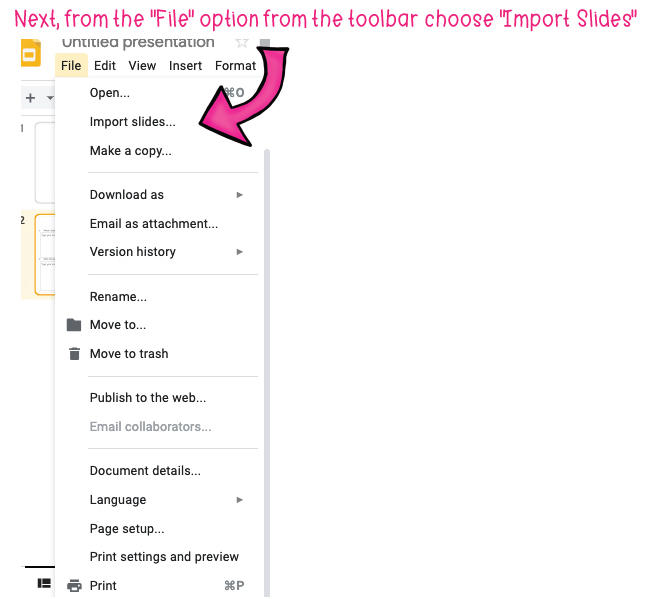
Understanding the need for flexibility in tailoring materials to suit classroom requirements, I often receive inquiries about sharing specific sections—like a single chapter—with students. To assist in creating customized assignments from your master file, I’ve outlined straightforward steps below for quick customization to meet your specific needs.
Once your master file is in your Google Drive, follow these steps:
The dimensions mentioned earlier apply to all my novel study products. However, for social studies materials, sizes can vary, often set at 12×12. To ensure your file matches the right dimensions and avoids distortion, check the page setup of your master file.
I trust these details and suggestions will assist you in tailoring your files to suit your students’ and classroom’s specific needs. Should you have further queries or need clarification, please don’t hesitate to reach out—I’m more than happy to provide tips and clear up any confusion. You can find my email address on the initial page of every file downloaded from my store.


 Connect with Fellow Educators!