As a teacher, you’re always on the lookout for great literature to inspire and engage your students. One book that fits the bill is One Crazy Summer by Rita Williams-Garcia. This Newbery award-winning novel follows three sisters who travel from New York City to Oakland, California in the summer of 1968 to spend time with their mother, who abandoned them years earlier.
We earn a commission if you make a purchase, at no additional cost to you.
Benefits of Using One Crazy Summer in Your Classroom:
Provides Diversity and Representation: One Crazy Summer tells the story of three sisters who travel from New York City to Oakland, California to spend the summer with their estranged mother, who is a poet and activist in the Black Panther Party in 1968. This book provides a rare and powerful representation of Black girls in literature. The novel also introduces students to the history of the Black Panther Party and the Civil Rights Movement, which is essential for understanding our country’s past and present.
Provides a Historical Context: The novel takes place during the summer of 1968, a tumultuous time in American history. The Black Panther Party was gaining traction, and the Civil Rights Movement was in full swing. By using One Crazy Summer in your classroom, you can help your students understand the historical context of the time and the social issues that were at the forefront.
Encourages Critical Thinking:One Crazy Summer offers plenty of opportunities for critical thinking and discussion. The novel tackles themes such as family, identity, activism, and resilience. Students can explore these themes through group discussions, writing assignments, and class debates. The novel also touches on more complex issues such as police brutality and the criminal justice system, providing a chance for deeper analysis.
Has an Engaging Storyline: At its core, One Crazy Summeris an engaging and well-written story that will captivate your students. The novel has won numerous awards and has been praised for its compelling characters and vivid imagery. Your students will be eager to read and discuss the book, making it an excellent addition to your classroom curriculum.
Encourages Empathy and Understanding: Reading One Crazy Summerwill help your students develop empathy and understanding toward others. The book’s characters face real-world issues such as poverty, racism, and family conflict, which will resonate with many students. Through reading and discussing the book, students will learn to see the world through someone else’s eyes and to appreciate the diverse experiences of others.
Has a Connection to Real-Life Issues: One Crazy Summer deals with real-life issues that are still relevant today. This book will allow your students to connect their reading to current events and develop a deeper understanding of the world around them. Through reading and discussing the book, students can explore the history of social justice movements and how they continue to shape our society today.
One Crazy Summeris a must-read for any classroom. This novel is an excellent tool for teaching critical thinking, writing skills, empathy, and understanding towards others. Its representation of Black girls in literature and introduction to social justice issues make it a valuable addition to any curriculum. By using One Crazy Summer in your classroom, you will not only enhance your student’s learning experience, but you will also empower them to make a positive impact on the world.
I offer a complete novel study to accompany One Crazy Summer, which includes an informational WebQuest to learn more about the Black Panther Party’s Free Breakfast Program, for use in the classroom or homeschool. The unit includes both a printable format and a Google Drive™ format for use in a paperless classroom or with Google Classroom.
Try a free sample of the novel study for One Crazy Summer
You can purchase this novel study at the following locations:
Are you interested in reading about and sharing ideas with other educators on using children’s literature in your classroom? My goal is to bring together teachers and homeschoolers who teach grades 3-8 and use novels with their students. I’d love for you to join me to learn, share, and grow together!
In the world of literature, there are a few timeless classics that have captured the hearts and minds of students and teachers alike. One such novel is Holes by Louis Sachar. This remarkable novel, filled with mystery, humor, and life lessons, is an ideal choice for educators looking to engage and inspire their students.
We earn a commission if you make a purchase, at no additional cost to you.
Benefits of Using Holes in Your Classroom:
Promotes Critical Thinking: One of the key benefits of using Holes in the classroom is its ability to promote critical thinking skills. The novel’s intricate plot and complex characters encourage students to analyze, make connections, and draw conclusions. This can be especially beneficial in developing higher-order thinking skills that are essential for success in any field.
Teaches Resilience and Perseverance: Through the trials and tribulations faced by the protagonist, Stanley Yelnats, Holes teaches students about resilience and perseverance. The characters’ struggles in the face of adversity provide valuable life lessons that can inspire and motivate students to overcome their own challenges.
Fosters a Love for Reading: Louis Sachar’s storytelling prowess shines in Holes. The book’s intriguing narrative, witty dialogue, and unexpected twists make it an enjoyable read for students of all ages. By introducing students to such an engaging novel, teachers can help foster a lifelong love for reading.
ContainsDiverse Themes for Discussion: Holes is rich in themes that can spark meaningful classroom discussions. From justice and friendship to family dynamics and social inequality, the novel provides ample opportunities for teachers to explore these topics with their students, fostering both empathy and critical thinking.
Aligned with Curriculum Standards: Holes aligns seamlessly with curriculum standards in language arts, making it an excellent choice for classroom use. The novel can be integrated into various lesson plans, including those related to character development, plot structure, and literary analysis.
Accessible to Diverse Readers: Holes appeals to a wide range of readers, making it suitable for diverse classrooms. Its accessible language and compelling story ensure that students of varying reading levels can engage with the material, promoting inclusivity.
Incorporating Louis Sachar’s Holes into your classroom can be a transformative experience for you and your students. Its ability to promote critical thinking, teach life lessons, foster a love for reading, and align with curriculum standards make it a valuable addition to any teacher’s toolbox. So, dive into the world of Holes and watch your students’ imaginations and love for reading take off.
I offer a complete novel study to accompany Holes for use in the classroom or homeschool. The unit includes both a printable format and a Google Drive™ format, for use in a paperless classroom or with Google Classroom.
You can purchase this novel study at the following locations:
Are you interested in reading about and sharing ideas with other educators on using children’s literature in your classroom? My goal is to bring together teachers and homeschoolers who teach grades 3-8 and use novels with their students. I’d love for you to join me to learn, share, and grow together!
Phyllis Reynolds Naylor’s novel, Shiloh, is a captivating and impactful novel that engages readers and fosters a love for reading. Shiloh offers a rich tapestry of themes, character development, and ethical dilemmas that make it a fantastic choice for the classroom. Shiloh is a must-read and can benefit both their students’ academic growth and moral development.
We earn a commission if you make a purchase, at no additional cost to you.
The Benefits of Using Shiloh in Your Classroom:
Contains Relatable Themes: Shiloh addresses timeless themes that resonate with young readers. The story revolves around the bond between a young boy named Marty and a mistreated dog named Shiloh. Themes of friendship, empathy, compassion, and the importance of standing up for what is right are woven into the narrative. These themes provide students with opportunities to explore their own values and ethics, making Shiloh an ideal text for fostering discussions about moral dilemmas.
Explores Character Development: Naylor’s novel offers well-crafted characters, each with their own flaws and virtues. Students can easily relate to Marty’s journey of self-discovery and his determination to protect Shiloh. The characters’ development throughout the story allows for in-depth character analysis, helping students understand how experiences can shape a person’s beliefs and actions.
Builds Vocabulary: Shiloh introduces students to a rich vocabulary that can expand their language skills. Naylor’s writing is both accessible and eloquent, making it a valuable resource for building students’ vocabulary and improving their reading comprehension. Teachers can incorporate vocabulary-building exercises and discussions related to the book’s language throughout the reading process.
Encourages Ethical Discussions: The moral dilemmas presented in Shiloh offer an excellent opportunity for ethical discussions in the classroom. Students can engage in thoughtful debates about topics such as animal rights, honesty, and the consequences of one’s actions. These discussions encourage critical thinking and help students develop their own moral compass.
Enhances Empathy and Emotional Intelligence: Reading Shiloh can enhance students’ empathy and emotional intelligence. They will empathize with Shiloh’s plight and Marty’s internal struggle to do what’s right. This emotional connection to the characters promotes empathy and a deeper understanding of the emotions and perspectives of others, a crucial skill for building positive relationships.
Provides Real-World Relevance: Shiloh also offers a bridge to real-world issues. Students can explore topics like animal welfare, kindness, and the power of advocacy, connecting the fictional story to current events and global concerns. This real-world relevance can make literature more meaningful and engaging for students.
Phyllis Reynolds Naylor’s Shiloh is more than just a heartwarming tale of a boy and his dog, it’s a powerful tool to inspire young minds. By bringing this novel into the classroom, you can explore relatable themes, promote character development, enhance vocabulary, and engage students in ethical discussions. Shiloh also nurtures empathy, emotional intelligence, and real-world relevance while providing valuable assessment opportunities. Introduce your students to Marty and Shiloh’s world—a journey that will leave a lasting impact on their academic and moral growth.
I offer a complete novel study to accompany Shiloh for use in the classroom or homeschool. The unit includes both a printable format and a Google Drive™ format, for use in a paperless classroom or with Google Classroom.
You can purchase this novel study at the following locations:
Are you interested in reading about and sharing ideas with other educators on using children’s literature in your classroom? My goal is to bring together teachers and homeschoolers who teach grades 3-8 and use novels with their students. I’d love for you to join me to learn, share, and grow together!
In the pursuit of a well-rounded education, teachers need to explore diverse and culturally rich literature that engages and inspires their students. One such gem is Esperanza Rising by Pam Muñoz Ryan. This poignant novel not only captivates young readers but also offers numerous educational benefits. From promoting empathy and cultural understanding to fostering critical thinking and historical awareness, incorporating Esperanza Rising in the classroom can be a transformative experience for both teachers and students.
We earn a commission if you make a purchase, at no additional cost to you.
The advantages of using Esperanza Rising in your classroom:
Cultivate Empathy and Cultural Understanding: Esperanza Rising is a gripping tale that follows the life of Esperanza Ortega, a young girl whose life takes an unexpected turn when she is forced to leave her privileged life in Mexico and start anew in a California labor camp during the Great Depression. The novel eloquently portrays the challenges faced by immigrant families and workers, highlighting themes of resilience, perseverance, and the pursuit of the American Dream.
By exploring Esperanza’s journey, students gain a deeper understanding of the struggles faced by immigrants and those from diverse backgrounds. As students connect with the characters and their experiences, empathy is cultivated, and cultural understanding is fostered. This empathy can lead to a more compassionate and inclusive classroom environment.
Spark Discussions on Social Justice and Human Rights: Esperanza Rising provides an excellent platform for engaging classroom discussions on social justice and human rights. Students can critically examine the harsh realities of migrant labor during the 1930s, drawing parallels to contemporary issues related to workers’ rights and socio-economic inequality. By analyzing the historical context and the character’s motivations, students can develop a nuanced perspective on societal challenges, inspiring them to seek positive change in their own communities.
Enhance Critical Thinking and Literary Analysis: With its rich symbolism, intricate character development, and vivid imagery, Esperanza Rising offers ample opportunities for literary analysis and critical thinking. Teachers can encourage students to explore the thematic elements, such as family, loss, identity, and sacrifice. Discussing the novel’s underlying messages can foster a deeper appreciation for literature and hone critical thinking skills.
Additionally, teachers can incorporate activities that encourage students to compare and contrast Esperanza Rising with other literary works, as well as with real-life events. This interdisciplinary approach promotes a broader understanding of literature’s relevance to historical and contemporary contexts.
Advance Language and Writing Skills: Using Esperanza Rising in the classroom can also aid in language development and writing skills. The novel’s lyrical prose and evocative language expose students to literary excellence, expanding their vocabulary and language comprehension. Furthermore, teachers can design writing assignments that encourage students to reflect on characters’ motivations, write journal entries from the characters’ perspectives, or even craft their own narratives inspired by the novel.
Encourage Resilience and Personal Growth: The protagonist, Esperanza, undergoes significant personal growth and resilience throughout the story. Her journey from a sheltered girl to a strong and self-reliant young woman serves as a powerful example for students facing challenges in their own lives. By analyzing Esperanza’s character arc, students can draw valuable life lessons, such as the importance of perseverance and adapting to change.
Esperanza Rising is an extraordinary novel that brings forth a multitude of benefits when used in the classroom. From fostering empathy and cultural understanding to nurturing critical thinking and personal growth, this book has the power to transform students’ lives. As teachers, introducing this captivating narrative into our educational curriculum can create a deeper appreciation for literature and a greater understanding of the world around us. By embracing the diverse perspectives presented in Esperanza Rising, we can create an inclusive learning environment that empowers our students to become compassionate and thoughtful global citizens.
I offer a complete novel study to accompany Esperanza Rising for use in the classroom or homeschool. The unit includes both a printable format and a Google Drive™ format for use in a paperless classroom or with Google Classroom.
Try a free sample of the novel study for Esperanza Rising
You can purchase this novel study at the following locations:
Are you interested in reading about and sharing ideas with other educators on using children’s literature in your classroom? My goal is to bring together teachers and homeschoolers who teach grades 3-8 and use novels with their students. I’d love for you to join me to learn, share, and grow together!
In the world of literature, certain books possess a unique power to inspire, enlighten, and transform the lives of readers. R.J. Palacio’s novel, Wonder, is one such literary gem that has captured the hearts of both young and old since its publication. Of all the curriculum materials I create, novel studies are my favorite, but creating my Wonder Novel Study has been my all-time favorite! The opportunities for building a community and empathy among students are so rich in this novel.
We earn a commission if you make a purchase, at no additional cost to you.
.
Auggie’s struggles are written on his face. You go into the book knowing you are reading about a kid facing challenges. The surprising thing with this book is you realize that the other “normal” characters who seem to have it all on the outside, are beautiful, rich, smart, etc, all are struggling as well. This book really takes to heart the quote, “Be Kind, for everyone you meet is fighting a hard battle.”
As teachers, we constantly seek innovative ways to engage our students and instill important life lessons. Using Wonder in the classroom can create an unforgettable and enriching learning experience for both educators and students.
Benefits of Using Wonder in Your Classroom:
Builds Empathy and Understanding: At the core of Wonderlies the story of Auggie Pullman, a young boy with facial differences who navigates his way through the challenges of attending a mainstream school for the first time. By following Auggie’s journey, students are immersed in a world that encourages empathy and understanding toward those who may appear different. The novel ignites meaningful discussions about acceptance, kindness, and the importance of looking beyond external appearances to see the true essence of a person. These discussions promote a compassionate and inclusive classroom environment, fostering a stronger sense of community among students.
Explore Character Development: Wonder introduces readers to a diverse cast of characters, each with their own unique perspective and background. As students explore the lives of Auggie, Via, Jack Will, and others, they witness profound character development and growth throughout the story. These well-rounded and relatable characters offer valuable life lessons, encouraging students to reflect on their own actions, emotions, and personal growth. By analyzing the characters’ choices and transformations, students can gain insights into their own values and aspirations.
Addresses Bullying and Social Issues: Bullying is an unfortunate reality that many students face, making it a critical topic to address in the classroom. Wonder sensitively portrays the impact of bullying, not just on the victim but also on those who perpetrate it. Teachers can use this novel as a springboard for discussing bullying, its consequences, and strategies to create a bully-free environment. By fostering open conversations, educators can empower students to stand up against bullying and promote a culture of respect and empathy.
Encourages Literary Exploration: R.J. Palacio’s writing style in Wonder is accessible and engaging, making it an ideal choice for students of varying reading levels. Teachers can use the novel to explore literary devices, such as point of view, character development, and symbolism, further enhancing students’ analytical skills. Additionally, Wonder provides an excellent opportunity for cross-curricular connections, integrating English language arts with art, social studies, and even science, enabling a more holistic learning experience.
Promotes Critical Thinking: The narrative structure of Wonder is divided into multiple perspectives, allowing readers to witness the same events from different viewpoints. This unique storytelling technique encourages critical thinking as students analyze the characters’ thoughts, motives, and actions. By examining the various perspectives, students develop a more nuanced understanding of complex situations and are motivated to think critically about the world around them.
Wonder by R.J. Palacio is a captivating novel that not only captivates the hearts of readers but also serves as a powerful educational tool in the classroom. Through its portrayal of empathy, character development, social issues, and literary exploration, this novel offers numerous benefits for teachers and students alike. By using Wonder as part of the curriculum, educators can foster a positive and empathetic classroom environment while nurturing the intellectual and emotional growth of their students.
I offer a complete novel study to accompany Wonder for use in the classroom or homeschool. The unit includes both a printable format and a Google Drive™ format for use in a paperless classroom or with Google Classroom.
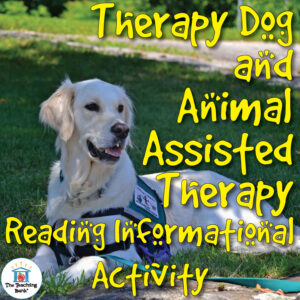
I loved how R.J. Palacio subtly adds the character of Daisy, the dog, as the only soul who does not “see” Auggie’s facial abnormalities. Through Daisy’s interactions, Ms. Palacio shows the unconditional love that animals provide. This prompted me to add a non-fiction activity to the unit involving therapy dogs and animal-assisted therapy. This activity is included in the complete novel study, but you can also download it for free here:
As you can tell, I loved this book. It is one of the best books I have read, and I feel it would serve well in any 4-6th-grade classroom. However, I do have one minor complaint. In the book, Auggie also deals with hearing loss, and one chapter describes his experience in getting fitted for a hearing aid for the first time. I live with hearing loss and have worn hearing aids for several years, and now have a cochlear implant in one ear. In some ways, Ms. Palacio was spot on describing Auggie’s feelings about wearing hearing aids around his friends and how he may be perceived. However, Ms. Palacio was quite a ways off the mark when she described the experience of getting hearing aids and how they work. A common misperception is that wearing hearing aids is like wearing glasses, which is how Ms.Palacio describes the experience. In reality, it is nothing like that. After reading this chapter, I felt so strongly about the misinformation that I had to add my own supplement to the unit explaining what it is REALLY like to wear hearing aids and have hearing loss in our modern world. I hope this supplement is helpful to your students. This resource is included in the Wonder Novel Study and is also offered as a stand-alone item here:
You can purchase this novel study at the following locations:
Are you interested in reading about and sharing ideas with other educators on using children’s literature in your classroom? My goal is to bring together teachers and homeschoolers who teach grades 3-8 and use novels with their students. I’d love for you to join me to learn, share, and grow together!