Harry Potter and the Chamber of Secrets by J.K. Rowling is an engaging and entertaining read for students, but it can also serve as a valuable teaching tool to use as a novel study in your classroom.
We earn a commission if you make a purchase, at no additional cost to you.
How reading Harry Potter and the Chamber of Secrets can benefit your students:
Contains engaging and relatable characters: One of the main reasons why Harry Potter and the Chamber of Secrets is an excellent teaching tool is because it has engaging and relatable characters. The protagonist, Harry Potter, is a young wizard who is starting his second year at Hogwarts School of Witchcraft and Wizardry. Along with his friends Ron and Hermione, Harry navigates through challenges and obstacles that are familiar to many students.
The characters in the book are well-developed and have distinct personalities, making them memorable and relatable. This can help students to identify with the characters and become more invested in the story.
Cultivates critical thinking skills: The plot of Harry Potter and the Chamber of Secrets is full of mystery and suspense, and the characters must use their intelligence and problem-solving skills to unravel the clues and solve the mystery of the Chamber of Secrets.
This can be an excellent opportunity for teachers to discuss critical thinking and problem-solving strategies with their students. They can also use the story to teach students about cause and effect, plot development, and character motivation.
Fosters imagination and creativity: Harry Potter and the Chamber of Secrets is a book that is full of imagination and creativity. The wizarding world that J.K. Rowling created is rich with detail and depth, and it can be a great source of inspiration for students. The book can spark their imaginations and encourage them to think creatively.
Teachers can use the story to encourage students to write their own stories, create their own characters, or even design their own imaginary worlds. This can be a fun and engaging way to foster creativity and imagination in the classroom.
Addresses important themes: Harry Potter and the Chamber of Secrets addresses important themes that are relevant to students today. The book explores themes of prejudice, discrimination, and the dangers of authoritarianism. These are important issues that students should be aware of, and the story can help to facilitate discussions about these topics.
Try a free sample of the novel study for Harry Potter and the Chamber of Secrets
Harry Potter and the Chamber of Secrets is an excellent teaching tool that can benefit students in many ways. It has engaging and relatable characters, encourages critical thinking skills, fosters imagination and creativity, and addresses important themes. Teachers should consider using this book in their classroom as a way to engage and inspire their students.
You can purchase this novel study at the following locations:
Are you interested in reading about and sharing ideas with other educators on using children’s literature in your classroom? My goal is to bring together teachers and homeschoolers who teach grades 3-8 and use novels with their students. I’d love for you to join me to learn, share, and grow together!
The Harry Potter book series has captured the hearts of readers worldwide since its first publication in 1997. Harry Potter and the Half-Blood Prince, the sixth book in the series, is no exception. In fact, it has become a favorite among teachers as a tool to help students develop their language, critical thinking, and literary analysis skills.
We earn a commission if you make a purchase, at no additional cost to you.
Benefits of using Harry Potter and the Half-Blood Prince in your classroom:
Enhances Vocabulary and Language Skills: One of the most significant benefits of using Harry Potter and the Half-Blood Prince in the classroom is the enhancement of vocabulary and language skills. The book contains a vast array of words that may be unfamiliar to students that J.K. Rowling invented, such as “occlumency,” “horcrux,” and “pensieve.” Figuring out the meaning of these words using context clues can be used to develop students’ understanding of language, how it develops, and to increase their vocabulary. Additionally, the book contains a range of complex sentence structures and writing styles that can be used to teach grammar and punctuation.
Develops Critical Thinking and Analytical Skills:Harry Potter and the Half-Blood Prince can be used as a tool to develop critical thinking and analytical skills. The book contains numerous themes and subplots, including love, betrayal, and sacrifice. These themes can be used to engage students in critical thinking activities and encourage them to analyze and interpret the text. Students can also be asked to compare and contrast the characters, their motives, and their actions, which can further develop their analytical skills.
Promotes a Love of Reading: The Harry Potter series is known for its captivating storyline and engaging characters, making it an excellent tool to promote a love of reading among students. Using Harry Potter and the Half-Blood Prince in the classroom can inspire students to read more books, improve their reading skills, and foster a lifelong love of reading.
Provides Opportunities for Multimodal Learning: The Harry Potter series has been adapted into movies, which can be used as a tool to provide opportunities for multimodal learning in the classroom. Students can be asked to compare and contrast the book and movie versions, analyze the different modes of communication used in the movie, and explore the use of visual and audio elements to enhance the story.
Encourages Collaboration and Discussion: Using Harry Potter and the Half-Blood Prince in the classroom can encourage collaboration and discussion among students. Students can work in groups to analyze and interpret the text, discuss the themes and subplots, and explore the characters’ motivations and actions. This can promote social interaction, build teamwork skills, and encourage students to share their ideas and opinions with their peers.
Using Harry Potter and the Half-Blood Prince in your classroom can be a valuable tool to enhance your teaching experience and help your students develop their language, critical thinking, and literary analysis skills. It can also inspire a love of reading, provide opportunities for multimodal learning, and encourage collaboration and discussion among students. So, why not bring a little bit of magic into your classroom and see the benefits for yourself?
I offer a complete novel study to accompany Harry Potter and the Half-Blood Prince for use in the classroom or homeschool. The unit includes both a printable format and a Google Drive™ format for use in a paperless classroom or with Google Classroom.
Are you interested in reading about and sharing ideas with other educators on using children’s literature in your classroom? My goal is to bring together teachers and homeschoolers who teach grades 3-8 and use novels with their students. I’d love for you to join me to learn, share, and grow together!
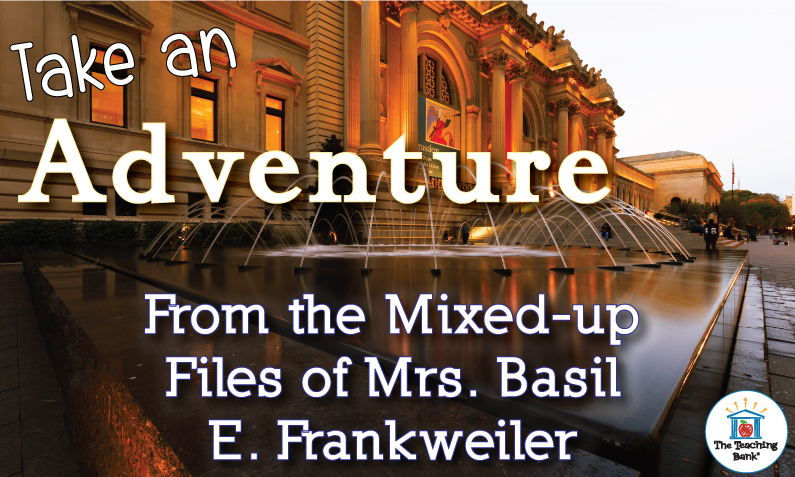
From the Mixed-up Files of Mrs. Basil E. Frankweiler by E. L. Konigsburg is a timeless classic that not only captivates young readers but also offers a rich tapestry of themes and lessons that resonate with students of all ages.
We earn a commission if you make a purchase, at no additional cost to you.
The Benefits of Using From the Mixed-up Files of Mrs. Basil E. Frankweiler in Your Classroom:
Contains an Engaging Narrative:From the Mixed-up Files of Mrs. Basil E. Frankweiler follows the adventure of Claudia and Jamie Kincaid, two siblings who run away from home and live secretly in the Metropolitan Museum of Art. This captivating premise immediately draws students into the story, sparking their imagination and curiosity.
Promotes Exploration of Art and History: The novel takes place in one of the world’s most iconic museums, providing a unique opportunity for students to explore art, history, and culture. Through Claudia and Jamie’s adventures, readers are introduced to famous artworks and historical artifacts, making learning both immersive and exciting.
Encourages Independent Thinking: Claudia and Jamie’s decision to run away and their subsequent experiences in the museum prompt discussions about independence, responsibility, and self-discovery. These themes encourage students to think critically about their own choices and beliefs, fostering a sense of autonomy and self-reflection.
Promotes Problem-Solving Skills: As Claudia and Jamie navigate their secret life in the museum, they encounter challenges that require creative problem-solving. From deciphering clues to outsmarting adults, the novel inspires readers to think outside the box and approach obstacles with ingenuity and perseverance.
Cultivates Empathy and Understanding: Through the characters’ interactions with each other and with museum staff, From the Mixed-up Files of Mrs. Basil E. Frankweiler explores themes of empathy, kindness, and understanding. These lessons in compassion are invaluable in helping students develop strong interpersonal skills and a deeper appreciation for diverse perspectives.
From the Mixed-up Files of Mrs. Basil E. Frankweiler gives students a taste of the bustle of New York City, a taste of the art world, and a unique look inside the Metropolitan Museum of Art. For many, this opens a world they never have experienced before and leads to a hunger for more as their imagination flows. This novel offers a wealth of benefits for educators and students alike. By integrating this novel into the classroom, teachers can inspire a love for reading, nurture essential skills, and create meaningful learning experiences that will resonate long after they are done reading.
I offer a complete novel study to accompany From the Mixed-up Files of Mrs. Basil E. Frankweilerfor use in the classroom or homeschool. The unit includes both a printable format and a Google Drive™ format for use in a paperless classroom or with Google Classroom.
Try a free sample of the novel study for From the Mixed-up Files of Mrs. Basil E. Frankweiler
You can purchase this novel study at the following locations:
Are you interested in reading about and sharing ideas with other educators on using children’s literature in your classroom? My goal is to bring together teachers and homeschoolers who teach grades 3-8 and use novels with their students. I’d love for you to join me to learn, share, and grow together!
In the pursuit of a well-rounded education, teachers need to explore diverse and culturally rich literature that engages and inspires their students. One such gem is Esperanza Rising by Pam Muñoz Ryan. This poignant novel not only captivates young readers but also offers numerous educational benefits. From promoting empathy and cultural understanding to fostering critical thinking and historical awareness, incorporating Esperanza Rising in the classroom can be a transformative experience for both teachers and students.
We earn a commission if you make a purchase, at no additional cost to you.
The advantages of using Esperanza Rising in your classroom:
Cultivate Empathy and Cultural Understanding: Esperanza Rising is a gripping tale that follows the life of Esperanza Ortega, a young girl whose life takes an unexpected turn when she is forced to leave her privileged life in Mexico and start anew in a California labor camp during the Great Depression. The novel eloquently portrays the challenges faced by immigrant families and workers, highlighting themes of resilience, perseverance, and the pursuit of the American Dream.
By exploring Esperanza’s journey, students gain a deeper understanding of the struggles faced by immigrants and those from diverse backgrounds. As students connect with the characters and their experiences, empathy is cultivated, and cultural understanding is fostered. This empathy can lead to a more compassionate and inclusive classroom environment.
Spark Discussions on Social Justice and Human Rights: Esperanza Rising provides an excellent platform for engaging classroom discussions on social justice and human rights. Students can critically examine the harsh realities of migrant labor during the 1930s, drawing parallels to contemporary issues related to workers’ rights and socio-economic inequality. By analyzing the historical context and the character’s motivations, students can develop a nuanced perspective on societal challenges, inspiring them to seek positive change in their own communities.
Enhance Critical Thinking and Literary Analysis: With its rich symbolism, intricate character development, and vivid imagery, Esperanza Rising offers ample opportunities for literary analysis and critical thinking. Teachers can encourage students to explore the thematic elements, such as family, loss, identity, and sacrifice. Discussing the novel’s underlying messages can foster a deeper appreciation for literature and hone critical thinking skills.
Additionally, teachers can incorporate activities that encourage students to compare and contrast Esperanza Rising with other literary works, as well as with real-life events. This interdisciplinary approach promotes a broader understanding of literature’s relevance to historical and contemporary contexts.
Advance Language and Writing Skills: Using Esperanza Rising in the classroom can also aid in language development and writing skills. The novel’s lyrical prose and evocative language expose students to literary excellence, expanding their vocabulary and language comprehension. Furthermore, teachers can design writing assignments that encourage students to reflect on characters’ motivations, write journal entries from the characters’ perspectives, or even craft their own narratives inspired by the novel.
Encourage Resilience and Personal Growth: The protagonist, Esperanza, undergoes significant personal growth and resilience throughout the story. Her journey from a sheltered girl to a strong and self-reliant young woman serves as a powerful example for students facing challenges in their own lives. By analyzing Esperanza’s character arc, students can draw valuable life lessons, such as the importance of perseverance and adapting to change.
Esperanza Rising is an extraordinary novel that brings forth a multitude of benefits when used in the classroom. From fostering empathy and cultural understanding to nurturing critical thinking and personal growth, this book has the power to transform students’ lives. As teachers, introducing this captivating narrative into our educational curriculum can create a deeper appreciation for literature and a greater understanding of the world around us. By embracing the diverse perspectives presented in Esperanza Rising, we can create an inclusive learning environment that empowers our students to become compassionate and thoughtful global citizens.
I offer a complete novel study to accompany Esperanza Rising for use in the classroom or homeschool. The unit includes both a printable format and a Google Drive™ format for use in a paperless classroom or with Google Classroom.
Try a free sample of the novel study for Esperanza Rising
You can purchase this novel study at the following locations:
Are you interested in reading about and sharing ideas with other educators on using children’s literature in your classroom? My goal is to bring together teachers and homeschoolers who teach grades 3-8 and use novels with their students. I’d love for you to join me to learn, share, and grow together!
Looking for a meaningful way to combine ELA and social studies while teaching Blood on the River by Elisa Carbone?
This historical fiction novel gives students an opportunity to step into the world of Jamestown in 1607 while developing important reading, writing, vocabulary, and critical-thinking skills.
If you’re planning a Blood on the River novel study for 4th, 5th, or 6th grade, this guide will give you ideas for using the novel to bring early American history to life—and show you how a complete novel study can save you hours of planning.
We earn a commission if you make a purchase, at no additional cost to you.
Historical fiction has the ability to transport students to a different time and place, immersing them in the world of the past. Blood on the River tells the real-life story of Samuel Collier who voyages to the New World along with Captain John Smith to colonize Jamestown in 1607, during the early years of the Jamestown settlement in Virginia. By reading this novel, students can step into the shoes of the young characters and experience the challenges and adventures of that era.
Why Teach Blood on the River?
Historical fiction can make history feel much more immediate to students.
Instead of simply reading facts about Jamestown, students experience the story through the perspective of Samuel Collier, a young page who travels with Captain John Smith to the New World.
As students read, they encounter the challenges of establishing the Jamestown settlement and are introduced to the people, places, conflicts, and decisions that shaped this important period in American history.
That makes Blood on the River an excellent choice for connecting literature and history.
Students can explore:
The founding of Jamestown
The Virginia Colony
Early English colonization
The journey from England to the New World
The Powhatan people
Relationships between Indigenous Peoples and English settlers
Survival and leadership
Historical perspective
Character development
Conflict and cooperation
Decision-making
Historical fiction versus historical fact
Blood on the River and Jamestown History
One of the biggest advantages of using Blood on the River in the classroom is the opportunity to connect the novel directly to your Jamestown and Colonial America curriculum.
As students read, they can investigate questions such as:
Why did the English establish Jamestown?
What challenges did the colonists face?
How did geography affect the settlement?
What role did leadership play in the survival of the colony?
How did the English settlers interact with the Powhatan people?
How might historical events look different from different perspectives?
How does the novel compare with what we know about the historical Jamestown?
These questions encourage students to think about history as more than a collection of dates and facts.
They begin to see history as a series of experiences, decisions, relationships, and consequences.
Use Historical Fiction to Build Empathy
Blood on the River also provides opportunities for students to think about history from multiple perspectives.
The characters encounter fear, uncertainty, conflict, cultural differences, and difficult decisions. Students can consider what it might have been like to experience these events as a young person living during this period.
This creates opportunities to discuss:
Empathy
Perspective
Cultural differences
Cooperation
Conflict
Leadership
Fairness
Survival
The impact of colonization
These conversations can help students recognize that historical events affected real people with different experiences and perspectives.
Blood on the River Reading Comprehension
Of course, reading a historical fiction novel isn’t just about learning history.
It is also an excellent opportunity to strengthen students’ reading comprehension and literary analysis skills.
Throughout a Blood on the River novel study, students can practice:
Making inferences
Finding text evidence
Summarizing
Making predictions
Identifying character traits
Analyzing character development
Identifying conflict
Determining theme
Understanding cause and effect
Comparing perspectives
Making connections
Determining meaning from context
Supporting written responses with evidence
The best comprehension questions encourage students to explain their thinking rather than simply recall what happened.
For example: How does Samuel’s perspective change as he experiences life in Jamestown?
Or: What evidence from the novel shows how difficult life was for the settlers?
Questions like these allow students to practice reading skills while staying connected to the historical content.
A Complete Blood on the River Novel Study
If you’re looking for a ready-to-use Blood on the River novel unit, I’ve created a comprehensive resource designed for approximately one month of instruction for Grades 4–6.
The complete unit combines reading comprehension, vocabulary, grammar, writing, critical thinking, assessments, historical activities, and digital resources.
It can be used for:
Whole-class instruction
Small-group reading
Literature circles
Independent reading
Homeschool
ELA
Social studies
Cross-curricular instruction
What’s Included?
The complete Blood on the River Novel Study includes 259 printable PDF pages plus Google Drive Slides and Forms.
Teacher Resources
You’ll receive:
Detailed daily lesson plans
Pacing and Standards Guide
Vocabulary Word Wall Cards
Answer keys
Parent letter
Printable and digital teacher resources
Student Resources
The unit includes:
Spelling list
Vocabulary and grammar activities for 81 words
Chapter-by-chapter comprehension questions
Short-answer questions
Critical-thinking activities
Writing activities
Story elements activities
End-of-book activities
Mapping activity following the colonists’ journey from England to the New World
The mapping activity is a particularly useful way to connect the novel to geography and the historical journey to Jamestown.
Assessments for Blood on the River
You don’t have to create your own assessments, either.
The complete novel study includes:
Assessment after Chapter 9
Assessment after Chapter 18
End-of-book assessment
Vocabulary questions
Reading comprehension questions
Critical-thinking writing questions
Multiple-choice assessments
Digital Google Forms assessments
This gives you multiple opportunities to check students’ understanding throughout the unit.
Connect ELA and Social Studies
This is where Blood on the River really shines.
Instead of teaching your reading and social studies lessons completely separately, you can use the novel as a bridge between the two subjects.
Before purchasing the complete unit, take a look at the FREE Blood on the River Novel Study sample.
You can purchase this novel study at the following locations:
Looking for More Jamestown Resources?
If you’re building a larger unit around early American history, explore the related Eastern Woodlands, Powhatan Empire, and Virginia Colonies/Jamestown resources from The Teaching Bank.
Pairing social studies lessons with historical fiction can give students multiple ways to understand the people, places, and events they’re studying—and make history much more memorable.
Blood on the River can be so much more than a novel students read for ELA.
It can become a bridge between literature, history, geography, culture, critical thinking, and empathy.
Let your students step into the world of Jamestown—and discover history through the power of a story.
💬 Connect with Fellow Educators!
Are you teaching Blood on the River this school year? How do you celebrate kindness in your classroom?
Join our free community, Book Talk with The Teaching Bank, to share ideas, grab freebies, and connect with 3rd–8th grade teachers using novels in the classroom!
*The Teaching Bank participates in the Amazon Associate Program and earns a fee from qualifying purchases made on the Amazon.com site.