About From the Mixed-Up Files of Mrs. Basil E. Frankweiler
From the Mixed-Up Files of Mrs. Basil E. Frankweiler by E. L. Konigsburg is a wonderful choice for a middle school or upper elementary novel study.
The story follows Claudia Kincaid and her younger brother Jamie as they decide to run away from home—but not just anywhere. They choose the Metropolitan Museum of Art in New York City as their temporary home.
Claudia carefully plans their escape, while Jamie focuses on saving money. Once they arrive at the museum, however, their adventure becomes much more complicated when they discover a mysterious statue that may have been created by the famous artist Michelangelo.
As students follow Claudia and Jamie’s adventure, they encounter themes of independence, family, identity, money, mystery, responsibility, and belonging.
These themes provide excellent opportunities for meaningful classroom discussions and deeper literary analysis.
We earn a commission if you make a purchase, at no additional cost to you.
Looking for a From the Mixed-Up Files of Mrs. Basil E. Frankweiler novel study that makes teaching this classic E. L. Konigsburg novel easier?
This complete From the Mixed-Up Files of Mrs. Basil E. Frankweiler book unit provides everything you need to guide students through the novel while building reading comprehension, vocabulary, writing, grammar, literary analysis, and critical-thinking skills.
Designed for grades 5–8, this no-prep novel study is perfect for whole-class instruction, small groups, literature circles, independent reading, or homeschool ELA.
And because both printable and Google Drive™ formats are included, you can use the resource in whatever format works best for your students.
Why Teach From the Mixed-Up Files of Mrs. Basil E. Frankweiler?
This classic children’s novel offers much more than an entertaining story.
Students can explore:
Character development
Setting
Plot and conflict
Theme
Point of view
Making inferences
Drawing conclusions
Supporting ideas with text evidence
Vocabulary in context
Author’s craft
Critical thinking
Written responses
The novel also lends itself naturally to discussions about independence and family relationships, making it a great way to connect reading skills with deeper conversations.
A Complete From the Mixed-Up Files Novel Study
If you don’t want to spend hours searching for individual worksheets, comprehension questions, vocabulary activities, writing prompts, and assessments, a complete novel unit can save you significant planning time.
Instead of piecing together separate activities, you have a ready-to-use collection of resources designed to take students from the beginning of the novel through assessment and written reflection.
What’s Included?
This complete novel study includes:
Teacher lesson plans and pacing support
Chapter-by-chapter comprehension activities
Vocabulary and grammar activities
Writing activities
Assessments
Answer keys
Additional reading and writing activities
Common Core standards alignment
Printable student resources
Google Drive™ versions for digital learning
The unit is designed to give you the flexibility to use the entire resource or select the activities that best fit your students and your schedule.
One of the biggest challenges of teaching a novel is finding the time to create meaningful activities to go along with it.
This no-prep novel study is designed to take much of that work off your plate.
Use the included resources for:
Whole-Class Novel Studies Guide your entire class through the novel with structured reading activities, comprehension questions, vocabulary, writing, and assessments.
Small-Group Instruction Use selected activities to support students who need additional reading practice or targeted instruction.
Literature Circles & Book Clubs Give students meaningful questions and activities to guide discussion and encourage deeper thinking about the novel.
Independent Reading Students can work through comprehension, vocabulary, and writing activities as they read independently.
Homeschool ELA The complete unit provides a convenient framework for teaching the novel at home without having to create every activity yourself.
Printable + Digital Novel Study
Today’s classrooms often require flexibility, which is why this From the Mixed-Up Files novel unit includes both printable and Google Drive™ formats.
Use the printable materials for traditional classroom instruction, or assign the digital resources through your preferred online learning platform.
Having both formats gives you the flexibility to adapt the unit to your classroom, students, and teaching style.
Build More Than Reading Comprehension
A strong novel study should do more than ask students what happened in each chapter.
This unit gives students opportunities to practice a variety of ELA and reading skills while engaging with the novel.
Students work on:
Reading comprehension
Vocabulary development
Grammar
Character analysis
Literary elements
Written response
Critical thinking
Text-based analysis
Writing skills
The goal is to help students become more thoughtful readers while giving you practical, ready-to-use teaching materials.
Looking for a From the Mixed-Up Files Novel Study?
If you’re planning to teach From the Mixed-Up Files of Mrs. Basil E. Frankweiler and want a complete resource that saves you planning time, this novel study is designed to give you everything you need in one place.
Whether you’re teaching 5th, 6th, 7th, or 8th grade, this flexible ELA unit can be adapted for whole-class reading, small groups, literature circles, independent work, or homeschool.
Try a free sample of the novel study for From the Mixed-Up Files of Mrs. Basil E. Frankweiler
Get the Complete From the Mixed-Up Files Novel Unit
Ready to make your next novel study easier?
This From the Mixed-Up Files of Mrs. Basil E. Frankweiler Novel Study Book Unit includes printable and digital resources covering comprehension, vocabulary, writing, grammar, assessment, and more.
Save time planning and spend more time helping your students become stronger, more thoughtful readers.
Connect with Fellow Educators!
Are you teaching From the Mixed-Up Files of Mrs. Basil E. Frankweiler this school year?
Join our free community, Book Talk with The Teaching Bank, to share ideas, grab freebies, and connect with 3rd–8th grade teachers using novels in the classroom!
*The Teaching Bank participates in the Amazon Associate Program and earns a fee from qualifying purchases made on the Amazon.com site.
Looking for a meaningful novel to teach in your upper elementary or middle school ELA classroom? Esperanza Rising by Pam Muñoz Ryan is an excellent choice for a novel study because it gives students opportunities to explore important themes while strengthening reading comprehension, vocabulary, writing, critical thinking, and literary analysis skills.
This engaging historical fiction novel follows Esperanza Ortega, a young girl whose comfortable life in Mexico changes dramatically after a family tragedy forces her to move to California with her mother. As Esperanza adjusts to a completely different way of life, students follow her journey of resilience, perseverance, family, identity, loss, and personal growth.
If you’re planning an Esperanza Rising novel study for 4th, 5th, or 6th grade, this book offers plenty of opportunities for meaningful classroom discussions and activities.
We earn a commission if you make a purchase, at no additional cost to you.
Why Teach Esperanza Rising?
One of the reasons Esperanza Rising works so well as a classroom novel is that students can connect with Esperanza’s experiences while also learning about a time and place that may be very different from their own lives.
The novel provides opportunities to discuss:
Resilience and perseverance
Family and relationships
Immigration and migration
Cultural identity
Poverty and socioeconomic differences
The experiences of migrant workers
Loss and change
Friendship and community
Personal growth
The American Dream
These topics can lead to thoughtful classroom conversations while helping students develop a deeper understanding of the characters and the world in which the story takes place.
Esperanza Rising and Historical Context
Because the story takes place during the Great Depression, it can also be used to make connections between ELA and social studies.
Students can examine the challenges faced by Esperanza and her family as they adjust to life in California and learn about the experiences of migrant workers during the 1930s.
This historical context allows students to look beyond the events of the novel and consider how economic circumstances, work, immigration, and social conditions affected people’s lives.
Esperanza’s Character Growth
Esperanza’s character development is one of the strongest reasons to use this novel for a book study.
At the beginning of the story, Esperanza has grown up in a privileged environment and expects her life to continue in much the same way. As circumstances change, she must learn to adapt to challenges she never anticipated.
Throughout the novel, students can track how Esperanza changes and consider:
How do Esperanza’s experiences change her?
What does she learn about herself?
How does she respond when things don’t go as planned?
Which characters influence her growth?
What does Esperanza learn about family and community?
These questions provide excellent opportunities for character analysis and reading comprehension.
Important Themes in Esperanza Rising
Esperanza Rising is also an excellent novel for teaching theme.
Students can explore themes such as perseverance, resilience, family, hope, identity, sacrifice, and adapting to change.
The novel’s recurring symbols and imagery provide additional opportunities for literary analysis. Students can examine how objects, events, and images throughout the story connect to Esperanza’s experiences and development.
Rather than simply asking students to identify a theme, you can have them support their thinking with evidence from the text. This helps turn reading comprehension into deeper literary analysis.
Vocabulary and Language Development
The rich language in Esperanza Rising makes the novel particularly useful for vocabulary instruction.
Students encounter words and expressions connected to the characters’ experiences, historical setting, and Mexican and Mexican American culture. Studying vocabulary in the context of the novel allows students to see how words function within meaningful passages rather than learning isolated definitions.
Vocabulary activities can also be paired with writing and comprehension activities to reinforce students’ understanding of the novel.
Reading Comprehension and Critical Thinking
A strong Esperanza Rising novel study should go beyond simple recall questions.
Students can analyze characters, make inferences, identify themes, examine symbolism, sequence important events, compare experiences, and support their ideas with evidence from the text.
Using chapter-by-chapter comprehension questions throughout the novel also gives teachers a practical way to monitor understanding and identify areas where students may need additional support.
Make Teaching Esperanza Rising Easier
If you want to teach Esperanza Rising but don’t want to spend hours creating worksheets, comprehension questions, vocabulary activities, assessments, and writing assignments, a ready-to-use novel study can make the process much easier.
I created a complete Esperanza Rising Novel Study for grades 4–6 that can be used in the classroom or for homeschool instruction.
The unit includes printable and digital resources, making it easy to use with traditional paper-based instruction or a paperless classroom.
What’s Included?
The novel study includes:
Daily lesson plans and pacing suggestions
Chapter-by-chapter comprehension questions
Vocabulary and grammar activities
Character and literary analysis activities
Theme and symbolism activities
Writing activities and assessment
Vocabulary assessment
End-of-book assessment
Answer keys
Common Core standards alignment
Printable resources
Digital resources for Google Drive™
The activities are designed to help students build reading comprehension, vocabulary, writing, critical thinking, and literary analysis skills while engaging with the novel.
Not sure if this Esperanza Rising book unit is right for your classroom?
You can download the free preview to see examples of the activities and resources included in the complete novel study.
Get the Esperanza Rising Novel Study
If you’re planning an Esperanza Rising unit for 4th, 5th, or 6th grade, this ready-to-use resource can save you planning time while giving your students meaningful opportunities to engage with the novel.
Use it as a complete Esperanza Rising book unit, supplement your existing ELA curriculum, or choose individual activities to support your reading instruction.
Whether you’re teaching the novel for the first time or bringing it back for another group of students, Esperanza Rising offers countless opportunities for discussion, analysis, writing, and connection.
Save yourself the planning time and make your Esperanza Rising novel study easy with this complete, ready-to-use unit!
Connect with Fellow Educators!
Are you teaching Esperanza Risingthis school year?
Join our free community, Book Talk with The Teaching Bank, to share ideas, grab freebies, and connect with 3rd–8th grade teachers using novels in the classroom!
*The Teaching Bank participates in the Amazon Associate Program and earns a fee from qualifying purchases made on the Amazon.com site.
Utilizing technology in classrooms today comes with numerous benefits, yet it’s not without its downsides like glitches and user frustrations. To support educators in leveraging available technology without the hassle of creating their own files, I offer my novel studies and social studies resources in both printable and Google Drive formats.
Given the novelty of these formats, I frequently receive technical queries from buyers. To address these common questions and offer guidance on customizing the files to suit specific requirements, I’ve crafted this blog post featuring answers to these inquiries and a tutorial on file manipulation.
How do I get the file into my Google Drive?
While each of my products includes an instruction guide, occasional issues may still arise. One common oversight is when teachers aren’t logged into their intended Google Drive account to store the purchased file. Clicking the link without being logged in often prompts a request for access, which shouldn’t be necessary after the purchase. Neither you nor your students should need to request access if the instructions have been followed correctly.
The solution typically involves ensuring proper login to your Google Drive before clicking the file link. Once logged in, you can seamlessly share the file via Google Classroom without any access requests needed.
To proceed, ensure you’re logged into your Google Drive and then click the link provided within your resource, resembling this:
A new tab will open with the force copy prompt.
The file will now be visible in your Google Drive account under the name “Copy of File Name.” You can conveniently modify this name to your preference by clicking directly into the name box and making the desired changes.
How can I assign individual chapters or activities to students instead of the whole file?
I aim to streamline and share this content as efficiently as possible. Each Google file I create has a unique link. To prevent confusion, I usually keep unit materials consolidated into a single file link or a few links for larger files divided into sections. This consolidation avoids overwhelming teachers with numerous individual links for chapters or activities.
Understanding the need for flexibility in tailoring materials to suit classroom requirements, I often receive inquiries about sharing specific sections—like a single chapter—with students. To assist in creating customized assignments from your master file, I’ve outlined straightforward steps below for quick customization to meet your specific needs.
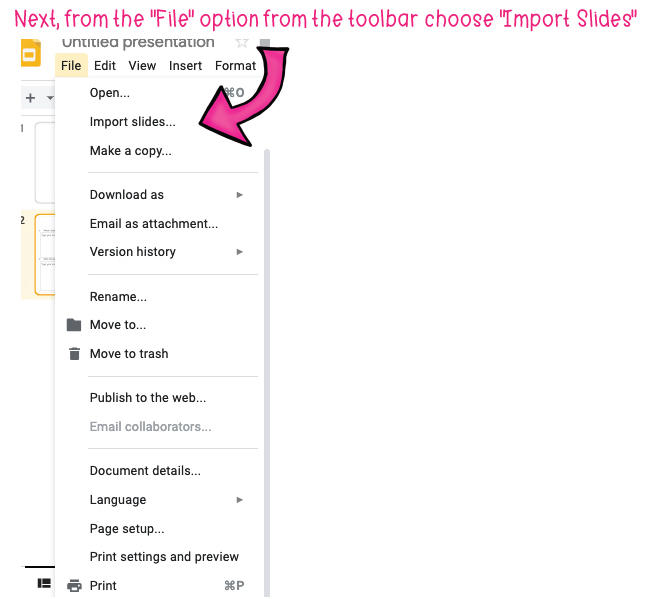
Once your master file is in your Google Drive, follow these steps:
The dimensions mentioned earlier apply to all my novel study products. However, for social studies materials, sizes can vary, often set at 12×12. To ensure your file matches the right dimensions and avoids distortion, check the page setup of your master file.
I trust these details and suggestions will assist you in tailoring your files to suit your students’ and classroom’s specific needs. Should you have further queries or need clarification, please don’t hesitate to reach out—I’m more than happy to provide tips and clear up any confusion. You can find my email address on the initial page of every file downloaded from my store.
Looking for a meaningful novel study for upper elementary or middle school students? Out of My Dreams by Sharon M. Draper is an excellent choice for engaging students in conversations about empathy, resilience, disability, independence, perseverance, and the importance of pursuing your dreams.
The third book in Melody’s story, Out of My Dreams, continues the journey that began in Out of My Mind and continued in Out of My Heart. This time, Melody has the opportunity to travel to London, opening the door to new experiences, new challenges, and new opportunities for growth.
For teachers, Out of My Dreams provides much more than an engaging story. It offers rich opportunities for reading comprehension, vocabulary development, literary analysis, writing, critical thinking, social-emotional learning, and meaningful classroom discussion.
We earn a commission if you make a purchase, at no additional cost to you.
Why Teach Out of My Dreams?
Sharon M. Draper’s Out of My Dreams gives students the opportunity to see the world through Melody’s experiences while encouraging them to think more deeply about how we understand ourselves and others.
The novel is especially valuable for classroom discussions about:
Empathy and understanding
Resilience and perseverance
Disability and accessibility
Inclusion and acceptance
Independence and self-advocacy
Friendship and relationships
Family and support systems
Personal growth
Dreams and goals
Overcoming challenges
These themes make Out of My Dreams an excellent addition to an ELA novel study, reading unit, literature circle, or whole-class novel unit.
1. Build Empathy Through Literature
One of the greatest strengths of Out of My Dreams is its ability to encourage students to consider experiences that may be different from their own.
Melody’s cerebral palsy affects how she communicates and interacts with the world, but her disability does not define her thoughts, personality, dreams, or abilities.
Reading about Melody can help students consider important questions:
How do we make assumptions about other people?
What does it mean to truly understand someone else’s experience?
How can we make our classrooms more inclusive?
Why is it important to look beyond what we see on the surface?
How can our words and actions make other people feel included?
These questions can lead to thoughtful classroom discussions about empathy, kindness, accessibility, and inclusion.
2. Explore Resilience and Perseverance
Melody’s journey provides countless opportunities to discuss resilience and overcoming obstacles.
Rather than presenting challenges as something that simply disappears, the novel allows students to explore how people adapt, advocate for themselves, accept support, and continue working toward their goals.
This makes Out of My Dreams a natural fit for discussions about:
Perseverance
Growth
Self-confidence
Overcoming obstacles
Setting goals
Taking risks
Learning from difficult experiences
Ask students to consider:
What does resilience really look like?
Students can compare Melody’s experiences with challenges they have faced themselves, while recognizing that everyone’s circumstances and obstacles are different.
3. Discuss Disability, Accessibility, and Inclusion
Out of My Dreams also creates an authentic opportunity to discuss disability and accessibility in an age-appropriate way.
Students can explore the difference between a person’s abilities and the barriers created by their environment.
Consider questions such as:
What makes a place accessible?
What barriers might someone with a disability encounter?
How can schools and communities become more inclusive?
Why shouldn’t we make assumptions about what someone can or cannot do?
What does true inclusion look like?
These conversations can help students move beyond simply identifying differences and instead think about how communities can remove barriers and create opportunities for everyone.
4. Develop Critical Thinking and Literary Analysis
Out of My Dreams is also a strong choice for teaching core reading comprehension and literary analysis skills.
As students read, they can analyze:
Character development
Setting
Plot
Conflict
Theme
Symbolism
Author’s word choice
Character relationships
Text evidence
Cause and effect
Making inferences
Encourage students to support their thinking with evidence from the text.
For example:
How does Melody change throughout the story?
What experiences contribute to Melody’s growing independence?
How does the setting of London affect Melody’s experiences?
What does the novel suggest about pursuing your dreams?
These types of questions take students beyond simple recall and encourage them to think critically about the author’s message and the development of the story.
5. Use Out of My Dreams for Writing Activities
The novel also provides plenty of inspiration for reading response and creative writing activities.
Students might:
Write about a personal goal or dream.
Describe a time they faced a difficult challenge.
Write a response to an important event in the novel.
Explain how Melody demonstrates resilience.
Analyze an important character.
Write about the importance of accessibility.
Use text evidence to explain a theme.
Write from a character’s perspective.
Create a new scene that fits naturally into the story.
You can also use the novel as a springboard for argumentative and opinion writing, asking students to support their ideas with evidence from the text.
6. Make Cross-Curricular Connections
One of the benefits of choosing a rich novel like Out of My Dreams is that the learning doesn’t have to stop with ELA.
The story provides opportunities for connections to:
Social-Emotional Learning
Discuss empathy, self-awareness, relationships, perseverance, independence, and respecting differences.
Social Studies
Explore London, cultural differences, travel, and how societies approach accessibility and inclusion.
Informational Reading
Have students research topics related to cerebral palsy, accessibility, disability, or London and compare informational texts with what they learn through the novel.
Geography
Use the novel’s London setting as an opportunity to explore maps, landmarks, geography, and cultural traditions.
These connections can turn a novel study into a rich, interdisciplinary learning experience.
Ready-to-Teach Out of My Dreams Novel Study
If you want to teach Out of My Dreams without spending hours creating comprehension questions, vocabulary activities, assessments, and lesson plans, I’ve created a complete Out of My Dreams Novel Study to make your planning easier.
This no-prep novel study for grades 4-6 includes 240+ pages of printable materials along with digital resources for Google Drive™, giving you everything you need to guide students through the novel.
Vocabulary and grammar activities for 62 vocabulary words
Printable vocabulary word wall cards
Answer keys
Parent letter
Informational reading activities about cerebral palsy
Informational reading activities about London
Three reading assessments
Essay questions
Google Forms™ digital assessments
Story Elements activities
Interactive notebook activities
Printable and digital versions
The resource is designed to work for whole-class instruction, small groups, literature circles, independent reading, homeschool, or a paperless classroom.
Save Time on Your Next Novel Unit
A good novel study should allow you to focus on teaching, discussing, and connecting with your students—not spending your evenings creating worksheets.
This Out of My Dreams book unit gives you ready-to-use materials for teaching reading comprehension, vocabulary, literary analysis, writing, and deeper thinking while your students experience Melody’s inspiring journey.
Try a Free Sample
Want to see what’s included before you buy? Download the free sample of the Out of My Dreams novel study and take a look at the activities, lesson materials, and student resources.
Out of My Dreams by Sharon M. Draper is a powerful choice for teachers looking for a novel that combines engaging storytelling with meaningful learning opportunities.
Through Melody’s experiences, students can explore empathy, resilience, independence, accessibility, inclusion, and the courage it takes to pursue a dream.
Whether you’re planning a 4th, 5th, or 6th grade novel study, this book gives you countless opportunities to help students strengthen their reading skills while having important conversations about how we understand and support one another.
If you’re ready to bring Out of My Dreams into your classroom, make your planning easier with this complete, no-prep Out of My Dreams novel study.
You can also buy Out of My Mind, Out of My Heart, and Out of My Dreams bundled together at a discount!
💬 Connect with Fellow Educators!
Are you teaching Out of My Dreams this school year? How do you celebrate kindness in your classroom?
Join our free community, Book Talk with The Teaching Bank, to share ideas, grab freebies, and connect with 3rd–8th grade teachers using novels in the classroom!
*The Teaching Bank participates in the Amazon Associate Program and earns a fee from qualifying purchases made on the Amazon.com site.
Looking for a high-interest novel for your upper elementary or middle school ELA classroom? The Lion, the Witch, and the Wardrobe by C. S. Lewis is a classic for a reason.
This beloved fantasy novel takes students into the magical world of Narnia while providing countless opportunities to teach reading comprehension, vocabulary, literary analysis, character development, theme, symbolism, writing, and critical thinking.
If you’re looking for a book that will keep students reading while giving you plenty to discuss and teach, The Lion, the Witch, and the Wardrobe is an excellent choice for a 4th, 5th, or 6th grade novel study.
We earn a commission if you make a purchase, at no additional cost to you.
Why Teach The Lion, the Witch, and the Wardrobe?
There is a lot more to this novel than a magical wardrobe and a talking lion. C. S. Lewis’s story gives students a rich text to explore while introducing them to complex characters, meaningful themes, and classic fantasy storytelling.
1. Students Love the Magic and Adventure
One of the biggest advantages of using The Lion, the Witch, and the Wardrobe as a classroom novel is its ability to capture students’ attention.
Four siblings discover a mysterious wardrobe that leads to the magical land of Narnia, where they encounter talking animals, mythical creatures, an evil queen, and Aslan, the powerful lion.
The adventure keeps students turning the pages—and that’s exactly what you want when you’re trying to build a classroom culture around reading.
A high-interest novel can make it easier to engage reluctant readers and encourage students to participate in discussions about what they’re reading.
2. The Novel Is Filled With Important Themes
The Lion, the Witch, and the Wardrobe provides natural opportunities for meaningful classroom conversations about:
Good vs. evil
Courage
Friendship
Loyalty
Betrayal
Forgiveness
Sacrifice
Redemption
Responsibility
The consequences of our choices
These themes give students opportunities to connect the story to their own experiences and think beyond simply remembering what happened in each chapter.
3. It’s Excellent for Teaching Character Development
The Pevensie children give students plenty to analyze as characters.
Edmund’s choices, in particular, provide an excellent opportunity to discuss character development, motivation, conflict, consequences, and redemption.
Students can examine how characters change throughout the novel and identify the events that influence those changes.
This makes The Lion, the Witch, and the Wardrobe a particularly useful book for teaching character analysis and supporting students as they learn to use evidence from a text to explain their thinking.
4. There’s Plenty of Literary Analysis to Explore
If you’re teaching literary elements, this novel gives you plenty to work with.
Students can identify and analyze:
Setting
Character
Conflict
Plot
Point of view
Foreshadowing
Symbolism
Theme
Imagery
Figurative language
The fantasy setting also allows students to examine how an author creates an imaginary world and makes it feel believable to the reader.
5. It Builds Reading Comprehension and Critical Thinking
A good novel study should do more than ask students to recall what happened.
The Lion, the Witch, and the Wardrobe gives students opportunities to make predictions, draw inferences, identify important details, analyze characters, determine themes, and support their answers with evidence from the text.
As students move through the story, they can practice thinking critically about why characters make certain choices and how those choices affect the plot.
That’s what makes a novel like this so valuable as the foundation for a complete ELA unit.
6. Narnia Inspires Imagination and Creativity
The world of Narnia is one of the most memorable elements of the book.
Talking animals, mythical creatures, an enchanted wardrobe, a magical land, and an epic battle give students plenty of opportunities to use their imaginations.
You can extend the novel into creative writing activities, artwork, discussion, and projects that allow students to respond to the story in different ways.
For students who love fantasy, this can be a particularly engaging way to build a stronger connection with reading.
Turn The Lion, the Witch, and the Wardrobe Into a Complete Novel Study
While reading the novel together can be rewarding, creating all of the comprehension questions, vocabulary activities, writing assignments, assessments, and other lessons yourself can take a lot of time.
This complete ELA novel unit for grades 4–6 provides ready-to-use activities to help students dig deeper into the book while saving you hours of planning.
The novel study includes chapter-by-chapter comprehension questions, vocabulary and grammar activities, writing activities, assessments, literary analysis activities, teacher materials, answer keys, and more.
It’s available in printable and digital formats, so you can use the materials in whatever way works best for your classroom.
Try the free sample to see how you can use this Lion, the Witch, and the Wardrobe novel study with your students.
When you’re ready for the complete unit:
Teaching More Than One Narnia Book?
If The Lion, the Witch, and the Wardrobe is part of a larger Chronicles of Narnia reading unit, you can also save with the Chronicles of Narnia Novel Studies Bundle.
Make The Lion, the Witch, and the Wardrobe Your Next Classroom Novel
Whether you’re planning a whole-class novel study, literature circles, small-group reading, or an independent reading unit, The Lion, the Witch, and the Wardrobe offers an engaging combination of adventure, memorable characters, important themes, and rich literary elements.
It’s a classic that gives students plenty to enjoy—and gives teachers plenty to teach.
Ready to make your Lion, the Witch, and the Wardrobe unit easier?
Check out the complete no-prep novel study and spend less time creating materials and more time helping your students fall in love with reading.
Connect with Fellow Educators!
Are you teaching The Lion, the Witch, and the Wardrobe this school year?
Join our free community, Book Talk with The Teaching Bank, to share ideas, grab freebies, and connect with 3rd–8th grade teachers using novels in the classroom!
*The Teaching Bank participates in the Amazon Associate Program and earns a fee from qualifying purchases made on the Amazon.com site.


 Connect with Fellow Educators!