Are you looking for an engaging Stargirl novel study that will help your students develop reading comprehension, vocabulary, writing, and critical-thinking skills while exploring meaningful themes?
Stargirl by Jerry Spinelli is an excellent novel for middle school and upper elementary readers. Its memorable characters and thought-provoking themes give students plenty to discuss, analyze, and write about. From individuality and conformity to friendship, kindness, and popularity, Stargirl provides countless opportunities for meaningful ELA instruction.
We earn a commission if you make a purchase, at no additional cost to you.
If you’re planning a Stargirl novel unit, this high-interest book can become so much more than an assigned reading. With the right activities and discussion questions, students can connect the story to their own experiences while strengthening essential reading and writing skills.
Why Teach Stargirl by Jerry Spinelli?
Stargirl follows Susan “Stargirl” Caraway, an unconventional new student whose individuality challenges the social norms of her high school. Through Leo Borlock’s narration, students see how Stargirl’s unusual personality and genuine kindness affect the people around her.
The novel naturally lends itself to classroom conversations about:
Individuality and self-expression
Conformity and peer pressure
Popularity and social expectations
Friendship and relationships
Kindness and empathy
Acceptance and inclusion
Identity and belonging
These themes make Stargirl especially useful for encouraging students to move beyond simply understanding what happened in the story and begin thinking about why characters make certain choices and what those choices reveal about people and society.
Stargirl Novel Study Activities
A well-designed Stargirl novel study can help you turn each chapter into an opportunity for meaningful reading instruction.
Students can work on skills such as:
Reading Comprehension
Chapter-by-chapter comprehension questions help students monitor their understanding of the novel while encouraging them to think more deeply about characters, events, and important details.
Rather than simply asking students to recall facts, thoughtful Stargirl reading comprehension questions can encourage them to make inferences, explain their thinking, and support their responses with evidence from the text.
Character Analysis
Stargirl and Leo provide excellent opportunities for studying characterization and character development.
Students can examine how characters change throughout the novel, how their relationships influence their decisions, and how their actions reveal their personalities and values.
Theme
What does it really mean to be yourself?
What happens when we care too much about what other people think?
How does the desire to fit in affect our choices?
These are the kinds of questions that make Stargirl such a valuable novel for classroom discussion. Students can identify themes and then support their ideas with evidence from the text.
Vocabulary
Stargirl also provides opportunities for vocabulary development within the context of authentic reading.
Instead of teaching vocabulary as isolated words, students can examine how words are used in the novel and apply them through activities that reinforce both vocabulary and language skills.
Writing
The themes in Stargirl naturally lead to meaningful writing.
Students can respond to the novel through personal connections, character analysis, theme-based writing, and other extended responses. These activities give students opportunities to practice organizing their thoughts, explaining ideas, and supporting their responses.
Make Teaching Stargirl Easier
While Stargirl is an engaging novel, creating an entire unit from scratch can take hours.
You need comprehension questions.
Vocabulary activities.
Writing prompts.
Lesson plans.
Assessments.
Answer keys.
And activities that actually help students think about the book rather than simply fill in worksheets.
That’s where a ready-to-use Stargirl novel unit can save you time.
Complete Stargirl Novel Study
I created a complete Stargirl Novel Study designed for grades 5–8 to give teachers a ready-to-use instructional framework for teaching the novel.
The unit includes both printable and Google Drive™ formats, making it flexible enough for traditional, blended, or digital classrooms. It can be used with a whole class, small group, literature circle, homeschool student, or independent reader.
What’s Included?
The complete Stargirl novel study includes:
Detailed daily lesson plans
Pacing and standards guide
Chapter/section guide
Vocabulary and grammar activities
Vocabulary Word Wall cards
Chapter-by-chapter comprehension questions
Extension activities
Writing activities
Vocabulary assessment
Reading comprehension assessment
Writing assessment
Answer keys
End-of-book activities
Story Elements Interactive Notebook activities
Common Core standards alignment
Printable resources
Google Drive™ resources
Self-grading digital multiple-choice quizzes
The unit is designed to require little to no preparation, so you can spend your time teaching instead of creating materials.
A Stargirl Novel Unit for the Whole Class, Small Groups, or Independent Reading
One of the advantages of Stargirl is its flexibility.
Use this Stargirl novel study as a whole-class novel unit, assign activities during independent reading, use it with a small reading group, or incorporate selected activities into a literature circle.
The materials can also be used for homeschooling or one-on-one instruction.
Because the activities are available in both printable and digital formats, you can choose the format that works best for your students and classroom.
Try a FREE Stargirl Novel Study Sample
Not sure if this Stargirl novel study is right for your classroom?
You can download a FREE sample that includes the Chapter 1 activities from the complete unit. It’s an easy way to see the format, types of activities, and level of instruction before purchasing.
Teach Stargirl with Less Prep and More Purpose
Stargirl gives students much more than an entertaining story. It opens the door to conversations about individuality, conformity, friendship, kindness, acceptance, identity, and the pressure to fit in.
With a complete Stargirl novel study, you can use those themes to build stronger reading comprehension, vocabulary, writing, literary analysis, and critical-thinking skills—all while saving yourself the time and effort of creating an entire novel unit from scratch.
If you’re getting ready to teach Stargirl by Jerry Spinelli, a ready-to-use novel study can give you the structure and resources you need to make the most of this engaging book.
[SHOP THE STARGIRL NOVEL STUDY]
Connect with Fellow Educators!
Are you teaching Stargirl this school year?
Join our free community, Book Talk with The Teaching Bank, to share ideas, grab freebies, and connect with 3rd–8th grade teachers using novels in the classroom!
*The Teaching Bank participates in the Amazon Associate Program and earns a fee from qualifying purchases made on the Amazon.com site.
Number the Stars by Lois Lowry is a powerful historical fiction novel that gives upper-elementary and middle-grade students an opportunity to explore courage, friendship, resistance, empathy, and standing up against injustice.
Set in Denmark during World War II, the novel follows Annemarie Johansen and her family as they help their Jewish friends escape the Nazi occupation. Through Annemarie’s eyes, students encounter a difficult period in history while experiencing a story that is accessible, engaging, and filled with opportunities for meaningful discussion.
If you’re planning a Number the Stars novel study for your 4th, 5th, or 6th grade students, this guide will give you ideas for connecting the novel to reading comprehension, vocabulary, critical thinking, history, and social-emotional learning.
We earn a commission if you make a purchase, at no additional cost to you.
Why Teach Number the Stars?
One of the greatest strengths of Number the Stars is that it allows students to encounter history through the experiences of a child.
Rather than simply reading facts about World War II, students follow Annemarie as she begins to understand what is happening around her. This creates natural opportunities to discuss questions such as:
What does it mean to be courageous?
Why do people sometimes have to make difficult choices?
How can ordinary people respond when others are being treated unfairly?
What makes someone a good friend?
How do fear and courage influence the decisions people make?
Why is it important to learn about difficult moments in history?
These questions can move students beyond simple recall and toward deeper reading comprehension and critical thinking.
Teaching Historical Fiction Through Number the Stars
Number the Stars works particularly well as a historical fiction novel because students can examine both the story and the historical context surrounding it.
As students read, encourage them to distinguish between what is happening in the fictional story and what they can learn about the real historical events that inspired it.
You can explore:
World War II
Nazi-occupied Denmark
The Danish Resistance
The rescue of Danish Jews
The Holocaust
Geography of Denmark and Sweden
Courage and resistance
Friendship and loyalty
Prejudice and discrimination
Human rights
This makes Number the Stars an excellent choice for connecting ELA and social studies.
Number the Stars Reading Comprehension
A novel study shouldn’t turn a great book into a stack of worksheets.
The goal is to help students think more deeply about what they’re reading while still allowing them to become immersed in the story.
When teaching Number the Stars, comprehension questions can focus on:
Character motivations
Making inferences
Cause and effect
Predicting
Making connections
Identifying themes
Using text evidence
Analyzing character development
Understanding historical context
I recommend using a small number of thoughtful questions rather than overwhelming students with questions after every few pages.
The questions should encourage students to explain why they think something happened—not simply identify what happened.
Vocabulary and Grammar in Context
Number the Stars also provides an excellent opportunity to teach vocabulary in context.
Instead of giving students a long list of unrelated vocabulary words, have them encounter words as they appear within the story.
Students can:
Determine meaning from context
Identify parts of speech
Use new words in sentences
Practice spelling
Explore synonyms and related words
Apply vocabulary through writing
This approach allows vocabulary instruction to become part of the reading experience rather than something completely separate from the novel.
The unit can be used with a whole class, small reading group, homeschool student, or independent reader. It includes both printable materials and digital resources for Google Drive.
What’s Included?
The complete Number the Stars Novel Study includes:
Teacher Resources
Detailed daily lesson plans
Pacing and Standards Guide
Chapter/Section Guide
Vocabulary Word Wall Cards
Answer Keys
Parent Letter
Student Resources
Spelling list
Vocabulary activities
Grammar activities
Chapter-by-chapter comprehension questions
Short-answer questions designed to encourage deeper thinking
Book-related extension activities
End-of-book activities
Story Elements Interactive Notebook activities
Assessment Resources
Part 1 assessment covering Chapters 1–6
Part 2 assessment covering Chapters 7–end
Vocabulary questions
Comprehension questions
Essay questions
Digital assessment options
The unit also includes Common Core Standards alignment for grades 4–6.
Print or Digital? You Get Both!
Today’s classrooms aren’t one-size-fits-all, so this novel study includes both printable and Google Drive-compatible formats.
Use the printable version for traditional instruction, or assign the digital activities through your classroom platform.
The digital format can be especially helpful for:
1:1 classrooms
Paperless classrooms
Students working from home
Absent students
Small-group instruction
Independent work
The assessments also include digital options, with multiple-choice Google Forms quizzes available for self-grading.
Save Time With a Ready-to-Teach Novel Unit
Teaching an entire novel is rewarding, but the planning can be time-consuming.
This Number the Stars novel unit was created to give you a complete framework so you don’t have to create every comprehension question, vocabulary activity, lesson plan, and assessment yourself.
It is designed to be low-prep and ready to teach, while still giving you flexibility to adjust the pacing and activities for your students.
You can purchase this novel study at the following locations:
💬 Connect with Fellow Educators!
Are you teaching Number the Stars this school year? How do you celebrate kindness in your classroom?
Join our free community, Book Talk with The Teaching Bank, to share ideas, grab freebies, and connect with 3rd–8th grade teachers using novels in the classroom!
*The Teaching Bank participates in the Amazon Associate Program and earns a fee from qualifying purchases made on the Amazon.com site.
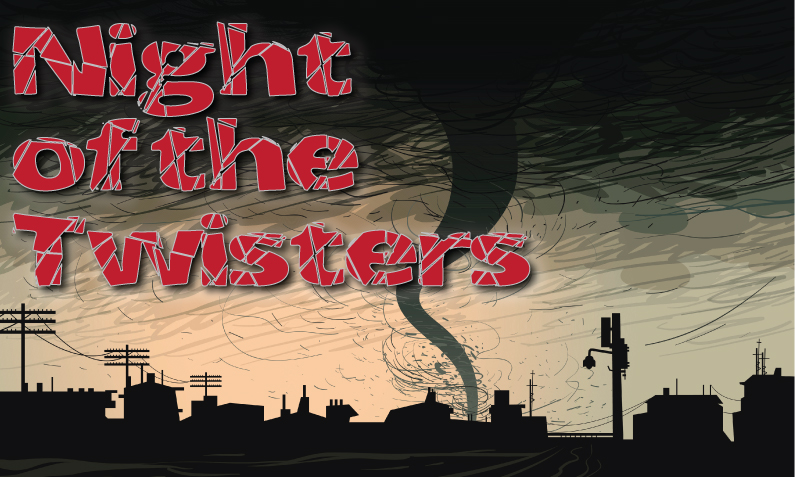
If you’re looking for a high-interest novel for upper elementary or middle school readers, Night of the Twisters by Ivy Ruckman is an excellent choice. This fast-paced historical fiction novel combines adventure, natural disasters, courage, family, community, and survival in a story that can keep even reluctant readers turning the pages.
But Night of the Twisters offers teachers much more than an exciting story.
The novel provides opportunities to teach reading comprehension, vocabulary, character development, theme, inference, writing, critical thinking, and literary analysis while making meaningful connections to science, weather, and real-world events.
And because the story is based on an actual tornado outbreak, students can explore the fascinating connection between fiction and history.
What Is Night of the Twisters About?
Written by Ivy Ruckman, Night of the Twisters is a semi-fictionalized account of the devastating tornado outbreak that struck Grand Island, Nebraska, in June 1980.
The story follows 12-year-old Dan Hatch, who finds himself caught in the middle of a terrifying night when multiple tornadoes move through his community.
After his home and neighborhood are damaged, Dan begins searching for his parents while the tornadoes continue to threaten the area.
The result is a suspenseful story filled with danger, uncertainty, and difficult decisions.
Students aren’t simply reading about a tornado. They’re experiencing the disaster through the eyes of a young character who must cope with fear, responsibility, and the need to protect the people he loves.
That makes Night of the Twisters particularly effective for classroom discussions about courage, resilience, family, community, and overcoming adversity.
We earn a commission if you make a purchase, at no additional cost to you.
The Real Night of the Twisters
One of the best ways to enhance a Night of the Twisters novel study is to help students understand the real historical event behind the story.
The tornado outbreak occurred in Grand Island, Nebraska, on June 3, 1980. Multiple tornadoes moved through the area that evening, causing extensive destruction and affecting homes, businesses, and families throughout the community.
This real-world connection allows teachers to move beyond the novel and ask students questions such as:
What parts of the novel are based on real events?
How does an author transform a historical event into a fictional story?
Why might an author choose to tell a historical event from a child’s point of view?
How would your response be different if you experienced a similar natural disaster?
What can communities do to prepare for severe weather?
How do people respond and work together after a disaster?
You can also pair the novel with informational texts about tornadoes, severe weather, meteorology, weather safety, and natural disasters for a cross-curricular learning experience.
Night of the Twisters has been honored with several awards over the years, including the Golden Sower Award, the Iowa Children’s Choice Award, and the Sequoyah Children’s Book Award. This novel has also been honored with the Outstanding Science Trade Books for Children recommendation by the National Science Teachers Association and the Children’s Book Council.
Why Teach Night of the Twisters?
There are many reasons this novel works well in an upper elementary or middle school classroom.
1. It Hooks Reluctant Readers
Some students struggle to become invested in traditional literary fiction. A story about a terrifying tornado outbreak immediately raises the stakes.
The suspenseful plot gives students a reason to keep reading because they want to know what happens to Dan, his family, and the other characters.
That natural curiosity makes Night of the Twisters a great choice for novel studies, literature circles, book clubs, small-group reading, or independent reading.
2. It Provides Rich Opportunities for Character Analysis
Dan faces frightening and unfamiliar circumstances throughout the story.
Students can examine how his experiences affect his thoughts, decisions, relationships, and behavior.
Consider asking:
How does Dan change throughout the story?
What motivates his decisions?
How does he respond when he is afraid?
What responsibilities does Dan take on?
Which characters demonstrate courage?
How do characters support one another?
These questions naturally lead students toward deeper character analysis and textual evidence.
3. It Explores Important Themes
Night of the Twisters provides opportunities to explore themes that students can connect to their own lives.
Possible themes include:
Courage
Resilience
Family
Friendship
Community
Responsibility
Survival
Helping others
Overcoming adversity
Students can support their ideas with evidence from the text and discuss how specific events contribute to the development of each theme.
4. It Encourages Critical Thinking
A strong novel study should do more than ask students to recall what happened in each chapter.
Night of the Twisters gives students opportunities to infer, analyze, evaluate, predict, compare, and support their thinking with textual evidence.
For example, students might:
Make predictions about what will happen next
Explain characters’ motivations
Analyze cause and effect
Determine the theme
Identify important conflicts
Explain how events affect characters
Compare fictional events with historical information
Support opinions with evidence
These activities help turn reading into an active process rather than simply answering comprehension questions.
Make Cross-Curricular Connections
One of the biggest advantages of using Night of the Twisters is the opportunity to connect literature with other areas of the curriculum.
Science
Use the novel as a springboard for studying:
Tornado formation
Severe weather
Weather forecasting
Storm safety
Tornado watches and warnings
Meteorology
Natural disasters
Students can research how tornadoes form and compare their research with the events described in the novel.
Social Studies
Because the story is based on a real event, students can investigate the 1980 Grand Island tornado outbreak and examine how communities respond to major disasters.
Writing
The novel can inspire a variety of writing activities, including:
Personal narratives
Character analysis
Opinion writing
Informative writing
Creative writing
Journal responses
Historical fiction
Newspaper articles
For example, students could imagine they are newspaper reporters covering the tornado outbreak and write an article describing what happened.
Use a Complete Night of the Twisters Novel Study
If you want to teach Night of the Twisters without spending hours creating comprehension questions, vocabulary activities, writing assignments, and assessments yourself, a ready-to-use novel study can save significant planning time.
My Night of the Twisters Novel Study is designed for Grades 4–6 and provides a comprehensive way to teach the novel while reinforcing important ELA skills.
The resource includes both printable and digital formats, making it easy to use in a traditional classroom, paperless classroom, homeschool setting, or with Google Classroom.
What’s Included?
The complete novel study includes resources for:
Reading comprehension
Chapter-by-chapter questions
Vocabulary
Grammar
Spelling
Writing
Character and story analysis
Interactive notebook activities
Assessments
Extension activities
Common Core standards
Teacher answer keys
Printable student materials
Digital Google Drive™ resources
The goal is simple: give you the materials you need to teach the novel without having to create everything yourself.
Not sure if the Night of the Twisters novel study is right for your students?
You can preview the resource before purchasing to see examples of the activities, question formats, and student materials included.
You can purchase this novel study at the following locations:
Night of the Twisters is much more than a suspenseful story about a tornado.
It allows students to explore literature, history, science, character development, resilience, and community through a high-interest story based on a real event.
For teachers, that makes it a particularly versatile novel for Grades 4–6.
Whether you’re looking for a novel to use during a tornado or weather unit, a high-interest book for reluctant readers, a text for literature circles, or a complete ELA novel study, Night of the Twisters offers plenty of opportunities for meaningful learning.
And with a ready-to-use novel study, you can spend less time creating materials and more time helping your students read, think, discuss, and connect with the story.
Connect with Fellow Educators!
Are you teaching Night of the Twisters this school year?
Join our free community, Book Talk with The Teaching Bank, to share ideas, grab freebies, and connect with 3rd–8th grade teachers using novels in the classroom!
*The Teaching Bank participates in the Amazon Associate Program and earns a fee from qualifying purchases made on the Amazon.com site.
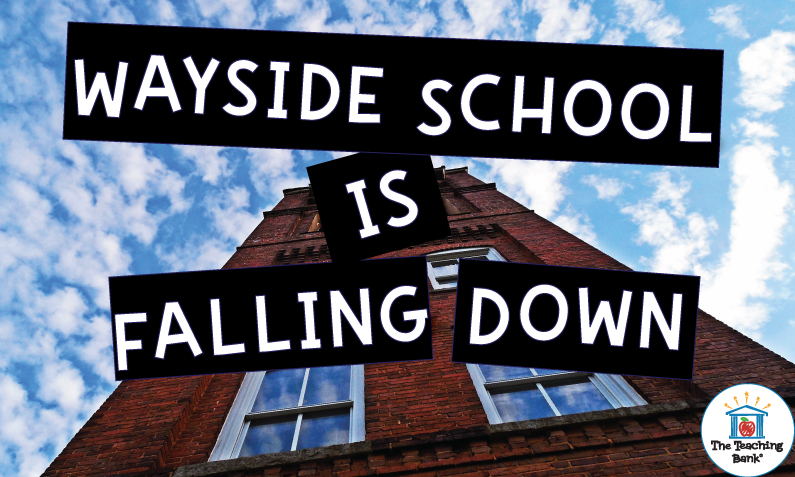
Looking for a funny, engaging novel that will keep your students reading while strengthening their ELA skills?Wayside School Is Falling Down by Louis Sachar is an excellent choice for an upper elementary novel study or book unit.
With its outrageous characters, unexpected plot twists, absurd situations, and clever humor, Wayside School Is Falling Down gives students plenty to laugh about—and plenty to think about.
But this quirky novel can do much more than entertain your students. It can also be a wonderful tool for teaching reading comprehension, vocabulary, critical thinking, creativity, writing, inference, and literary analysis.
We earn a commission if you make a purchase, at no additional cost to you.
Why Teach Wayside School Is Falling Down?
Published by Louis Sachar, Wayside School Is Falling Down takes readers back to the wonderfully strange Wayside School, where almost anything can happen.
The school was accidentally built 30 stories high with one classroom on each floor, and the students and teachers who inhabit it are just as unusual as the building itself.
From bizarre classroom situations to characters who don’t behave the way students expect, the novel constantly surprises readers.
That makes Wayside School Is Falling Down especially useful for classroom discussion.
Instead of simply asking students to remember what happened, you can encourage them to ask:
Why did that character behave that way?
What clues does the author give us?
What would you have done in that situation?
Is the situation meant to be taken literally?
Why is this scene funny?
What makes the characters memorable?
What can we learn from the characters’ choices?
Those conversations turn an entertaining children’s book into a rich ELA learning experience.
1. Build Reading Comprehension Skills
A Wayside School Is Falling Down novel study gives students numerous opportunities to practice important reading comprehension skills.
As students read, they can work on:
Making predictions: What do you think will happen next?
Making inferences: What can you figure out even though the author doesn’t directly tell you?
Making connections: How does a character’s experience connect to your own life or another text?
Analyzing characters: What do a character’s words, actions, and choices tell us about them?
Analyzing plot: How do individual events contribute to the overall story?
Evaluating the text: What do you think about a character’s decision or the author’s choice?
The unusual events in Wayside School Is Falling Down make these skills particularly engaging because students can’t always rely on conventional storytelling patterns.
2. Use Humor to Teach Deeper Thinking
One of the reasons students love Louis Sachar’s books is the humor.
But the humor in Wayside School Is Falling Down can also provide an excellent opportunity to teach students about how authors use language and unexpected situations to create humor.
The book frequently uses absurdity, exaggeration, irony, unexpected events, and unusual character behavior.
Ask students questions such as:
What makes this situation funny?
What did you expect to happen?
What actually happened?
Why is the difference between the two funny?
How does the author’s word choice contribute to the humor?
Would the scene be as funny if it happened in a realistic school?
These questions encourage students to move beyond simply saying, “That’s funny!” and begin thinking about why something is funny.
That’s an important reading skill—and a great way to introduce literary analysis in an accessible way.
3. Encourage Creativity and Imagination
Wayside School Is Falling Down is anything but ordinary.
A teacher can turn into an apple. A student can float away with balloons. A school can have classrooms stacked 30 stories high.
These wonderfully strange events give students permission to think creatively.
After reading a chapter, challenge students to imagine their own version of Wayside School.
What would happen if there were a 31st floor?
What would the strangest classroom in the school look like?
What unusual rule would the teacher have?
What completely unexpected event could happen during the school day?
These questions can easily become creative writing activities, narrative writing prompts, or classroom art projects.
The book gives students a model for thinking outside the box—and then invites them to create something of their own.
4. Develop Critical Thinking Skills
The absurd situations in Wayside School Is Falling Down also make excellent opportunities for critical thinking.
Students can examine characters’ decisions, question assumptions, consider alternative explanations, and defend their opinions with evidence from the text.
For example, students can discuss:
Was the character’s decision a good one? Why or why not?
What could the character have done differently?
What evidence supports your opinion?
How might another character view the same situation?
What assumptions did the characters make?
What would happen if one event in the story changed?
Because the novel doesn’t always behave the way students expect, it naturally encourages them to question, analyze, and reconsider.
5. Teach Vocabulary in Context
A novel study is also a natural way to build vocabulary.
Instead of teaching vocabulary words in isolation, students can encounter new words within the context of an engaging story.
With Wayside School Is Falling Down, students can:
Determine the meaning of unfamiliar words using context clues
Examine how word choice affects meaning
Use new vocabulary in their own writing
Practice spelling and word study
Discuss interesting or unusual language from the novel
Vocabulary instruction becomes much more meaningful when students encounter words while reading a story they actually want to understand.
6. Connect Reading to Writing
Wayside School Is Falling Down provides countless opportunities for writing.
Students can respond to the chapters, analyze characters, explain their thinking, make predictions, write creatively, or defend an opinion.
Some possible writing prompts include:
What would it be like to attend Wayside School?
Which character would you most want as your teacher? Explain why.
What would happen if Wayside School had a 31st floor?
Which event in the novel is the most surprising? Support your answer with evidence.
Choose a character and explain what you have learned about that character from their actions and choices.
These activities help students practice writing while keeping the writing connected to a book they are already reading.
A Complete Wayside School Is Falling Down Novel Study
If you want to teach Wayside School Is Falling Down but don’t want to spend hours creating comprehension questions, vocabulary activities, writing assignments, assessments, and lesson plans, I’ve done the work for you.
My Wayside School Is Falling Down Novel Study is a complete, no-prep novel unit for grades 3–5 designed to make teaching this hilarious Louis Sachar novel easier.
The resource includes 135+ pages of printable materials plus digital resources, giving you everything you need to turn the novel into a complete ELA unit.
What’s Included?
Teacher Materials
Daily lesson plans
Pacing and standards guide
Vocabulary word wall cards
Answer keys
Parent letter
Student Activities
Vocabulary activities
Chapter-by-chapter comprehension questions
Short-answer questions
Extension activities
Writing activities
Printable and digital resources
Assessments
Vocabulary quiz
Reading comprehension quiz
Short-answer assessment
Multiple-choice assessment
Writing assessment
Self-grading digital quizzes
Additional Literacy Activities
Story Elements interactive notebook activities
End-of-book activities
Additional writing activities
Activities that can be used with other novels
The unit is designed for 3rd-, 4th-, and 5th-grade classrooms and can be used for whole-class instruction, small-group reading, literature circles, independent work, or homeschool settings.
Make Your Wayside School Is Falling Down Unit Easy
Teaching a novel shouldn’t require you to spend your evenings searching for chapter questions, creating vocabulary worksheets, and putting together assessments.
A complete novel study gives you the structure and resources you need while allowing your students to focus on what matters most: reading, thinking, discussing, and enjoying the book.
And Wayside School Is Falling Down is an especially fun choice because students can laugh at the outrageous situations while simultaneously practicing important reading and thinking skills.
Try a free sample of the novel study for Wayside School is Falling Down
Ready to Start Your Wayside School Is Falling Down Novel Study?
If you’re planning a Louis Sachar novel study, upper elementary ELA unit, reading comprehension unit, or book study, this resource can save you valuable planning time.
Connect with Fellow Educators!
Are you teaching Wayside School is Falling Down this school year?
Join our free community, Book Talk with The Teaching Bank, to share ideas, grab freebies, and connect with 3rd–8th grade teachers using novels in the classroom!
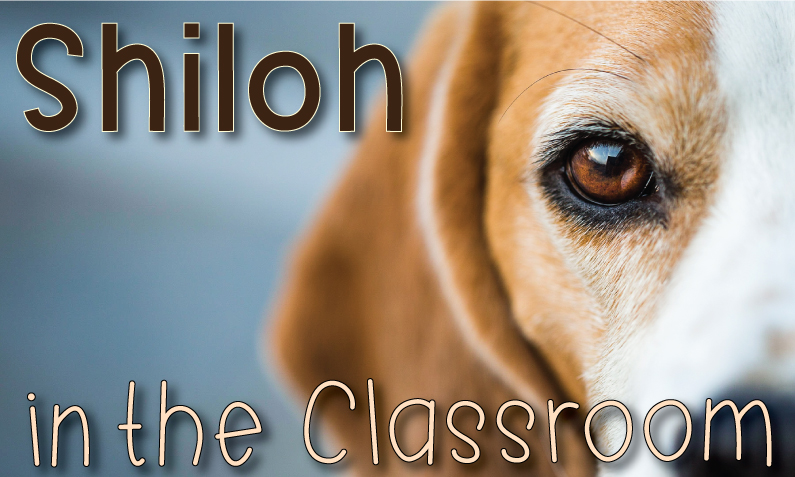
Looking for a meaningful Shiloh novel study for your 4th, 5th, or 6th grade students?
Shiloh by Phyllis Reynolds Naylor is a wonderful choice for teaching reading comprehension while encouraging students to think about responsibility, honesty, compassion, courage, and difficult choices.
As students follow Marty Preston’s relationship with Shiloh, they encounter questions that go far beyond the events of the story:
What is the right thing to do when the right choice isn’t easy?
Can you break a rule for the right reason?
What responsibilities do we have toward others?
How do our choices affect the people—and animals—around us?
These questions make Shiloh an engaging novel for upper-elementary readers and provide plenty of opportunities for meaningful discussion, writing, and literary analysis.
We earn a commission if you make a purchase, at no additional cost to you.
Why Teach Shiloh?
One of the reasons Shiloh works so well as a classroom novel is that students can connect with Marty while watching his understanding of right and wrong develop throughout the story.
Marty doesn’t simply face an easy problem with an obvious solution. He has to make difficult decisions, deal with consequences, and consider how his actions affect others.
That makes the novel an excellent springboard for discussions about:
Honesty
Responsibility
Compassion
Empathy
Courage
Friendship
Trust
Animal welfare
Moral decision-making
Consequences
Character development
Rather than asking students only to remember what happened in the story, you can use Shiloh to encourage them to think critically about why characters make the choices they do.
Shiloh Reading Comprehension Activities
A strong novel study should do more than give students a list of questions to answer after each chapter.
With Shiloh, students can practice important reading skills while exploring the story and its characters.
Consider having students:
Make inferences about characters’ motivations
Identify character traits
Support ideas with text evidence
Analyze conflict
Identify important events
Make predictions
Summarize sections of the novel
Identify themes
Explain cause and effect
Make personal connections
Analyze how characters change
Respond to the author’s ideas
These skills help students become stronger readers while keeping their attention focused on the actual story.
Teaching Character Development Through Shiloh
Character development is one of the strongest areas to explore in Shiloh.
Marty’s experiences give students opportunities to examine how a character’s thoughts, feelings, choices, and experiences influence his development.
Ask students questions such as:
How does Marty change throughout the novel?
What motivates Marty’s decisions?
What does Marty learn from his experiences?
Which characters influence Marty?
How do Marty’s choices create new problems or solutions?
What evidence shows that Marty has changed?
Students can then support their responses with specific evidence from the text.
This turns character analysis into an authentic reading activity rather than an isolated worksheet.
Exploring Theme in Shiloh
Shiloh also provides opportunities to introduce students to theme in a way that feels meaningful.
Possible themes to explore include:
Doing what is right
Taking responsibility for your choices
Compassion and empathy
Honesty and trust
Standing up for others
The consequences of our decisions
Learning from mistakes
Rather than simply asking students to identify the theme, encourage them to explain how the author develops that theme throughout the novel.
For example: What does Marty learn about responsibility, and which events help him learn that lesson?
Questions like this encourage students to move from simple comprehension toward deeper literary analysis.
Vocabulary and Grammar Activities
Shiloh also provides an excellent opportunity to incorporate vocabulary and language instruction into your novel study.
Students can work with vocabulary words from the text while practicing skills such as:
Determining meaning from context
Using new words in sentences
Identifying parts of speech
Practicing spelling
Exploring synonyms and related words
Applying vocabulary through writing
When vocabulary is connected to the novel students are already reading, the words have a meaningful context rather than feeling like a separate assignment.
Make Shiloh More Than Just a Read-Aloud
A whole-class read-aloud can be a wonderful way to introduce students to a novel, but you can take the experience further by incorporating activities that require students to respond, discuss, analyze, and write.
A complete Shiloh novel study can help you organize those activities so that students are practicing reading skills throughout the entire book.
And, importantly, you don’t have to spend hours creating everything yourself.
I offer a complete novel study to accompany Shiloh for use in the classroom or homeschool. The unit includes both a printable format and a Google Drive™ format, for use in a paperless classroom or with Google Classroom.
Shiloh Novel Study for Grades 4–6
I’ve created a complete Shiloh Novel Study designed for approximately three weeks of instruction and written for the 4th–6th grade reading level.
The unit can be used for whole-class instruction, small groups, literature circles, independent study, or homeschool. It includes both printable and Google Drive formats, making it flexible for traditional and digital classrooms.
What’s Included in the Shiloh Novel Unit?
This isn’t just a packet of comprehension questions. The complete unit provides a structured framework for teaching the novel from beginning to end.
Teacher Resources
You’ll receive:
Detailed daily lesson plans
Pacing and Standards Guide
Vocabulary Word Wall Cards
Answer Keys
Parent Letter
Student Resources
The student packet includes:
Spelling List
Vocabulary and Grammar Activities for 20 Words
Chapter-by-Chapter Comprehension Questions
Short-answer questions designed to encourage deeper thinking
Book-related extension activities
End-of-the-book activities
Story Elements Interactive Notebook Activities
The extension activities are only included in the complete novel study, making the full unit a particularly valuable option if you want more than the individual components.
Assessment Resources
The assessment packet includes:
End-of-the-book vocabulary quiz
Reading comprehension quiz
Short-answer assessment
Multiple-choice assessment
End-of-the-book writing assessment
Google Drive digital assessment options
The Google Drive self-grading quizzes are available in the multiple-choice format.
Print + Digital Shiloh Activities
Today’s classrooms don’t always look the same from one day to the next.
That’s why the Shiloh novel study includes both printable PDF materials and Google Drive resources.
Before purchasing the complete unit, be sure to download the free preview.
The preview lets you see examples of the different components included in the novel study so you can decide whether the format and activities are a good fit for your classroom.
Ready to Teach Shiloh?
You can purchase this novel study at the following locations:
💬 Connect with Fellow Educators!
Are you teaching Shiloh this school year? How do you celebrate kindness in your classroom?
Join our free community, Book Talk with The Teaching Bank, to share ideas, grab freebies, and connect with 3rd–8th grade teachers using novels in the classroom!
*The Teaching Bank participates in the Amazon Associate Program and earns a fee from qualifying purchases made on the Amazon.com site.






 Connect with Fellow Educators!