
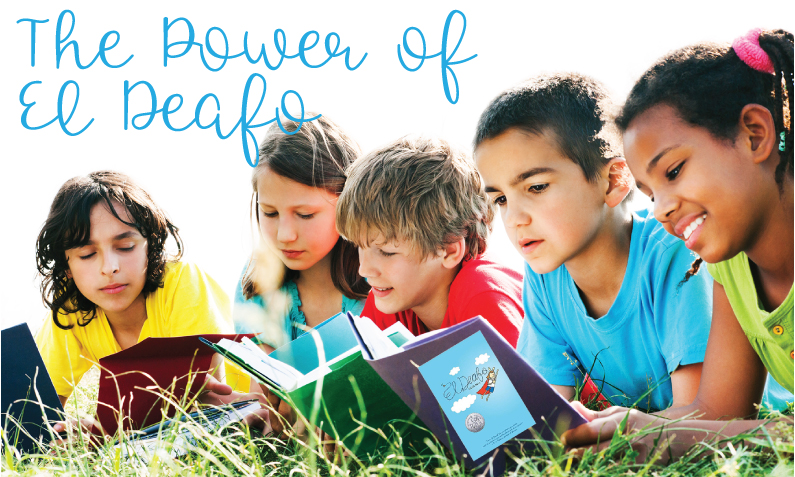
In today’s classrooms, fostering empathy, promoting inclusivity, and celebrating differences are more vital than ever. Literature has always been our most effective tool to build these connections—and few books do it as masterfully as Cece Bell’s Newbery Honor-winning graphic novel, El Deafo.
Whether you are looking to engage reluctant readers, deepen your Social-Emotional Learning (SEL) curriculum, or build genuine disability awareness, El Deafo provides an unforgettable lens into the real-world experiences of growing up with hearing loss.



A Personal Perspective: Why El Deafo Touches My Heart
As someone who has lived with hearing loss for over 25 years, I know firsthand the daily friction of trying to communicate in a world built for the hearing. Hearing loss has affected almost every area of my life—it even led to the end of my classroom teaching career.
A while back, I participated in an online discussion with fellow educators about the factuality of the novel Wonder by R.J. Palacio. While I love Wonder and believe it holds a valuable spot in the classroom, I’ve always been concerned about how it portrays hearing loss and hearing aids. (In fact, when I created my Wonder Novel Study, I included a non-fiction article to help students understand the real-world science behind hearing loss so they could spot the story’s inaccuracies.)
During that discussion, an educator asked me:
“Shelley, have you read El Deafo by Cece Bell? How realistic is it to someone who actually walks in those shoes?”
I immediately ordered a copy. From the moment I opened it, I was nodding my head in complete agreement.
Cece Bell’s autobiographical journey captured feelings I’ve carried for decades—isolation, self-consciousness, social fatigue, and the exhaustion of putting up with awkward interactions out of fear or embarrassment.
Most importantly, the book highlights a critical truth the hearing world often overlooks: Volume does not equal clarity.
Shouting, talking unnaturally slow, or exaggerating mouth movements does not help someone with hearing loss. In fact, it ruins lip-reading and makes communication much harder! Cece’s story shows how she took these everyday struggles and transformed them into her superhero alter ego, “El Deafo.”
You don’t need to have hearing loss to fall in love with Cece’s journey—but reading it will make anyone a more compassionate, understanding human being.

6 Key Benefits of Teaching El Deafo in Grades 4–6
1. 🤟 Promotes Real Disability Awareness & Deaf Culture
El Deafo offers an authentic, first-hand look at what it’s like to navigate school and friendships with a hearing impairment. It strips away misconceptions and gives students an accurate understanding of assistive technology and accessibility.
2. ❤️ Builds Deep Social-Emotional Learning (SEL) & Empathy
By following Cece’s internal monologues and social triumphs, students learn to recognize the feelings of others, reflect on their own behaviors, and navigate complex friendship dynamics with kindness.
3. 🦸♀️ Celebrates Individuality & Self-Acceptance
Cece’s creation of “El Deafo” teaches young readers that the things that make us different aren’t weaknesses—they can become our greatest strengths. It encourages students to embrace their unique traits with confidence.
4. 📖 Hooks Reluctant & Visual Readers
As a graphic novel, El Deafo pairs rich visual context with accessible text. It is an extraordinary format for striving readers, ESL/ELL students, and visual learners to practice high-level literary analysis without feeling overwhelmed.
5. 🗣️ Sparks Meaningful Classroom Discussions
Cece’s story naturally opens the door for class discussions on tough topics: standing up to bullies, overcoming social anxiety, effective communication strategies, and true inclusion.
6. 🌐 Blends Fiction with Non-Fiction Learning
Pairing Cece’s memoir with non-fiction research on audiology, ear anatomy, and famous figures with hearing loss allows teachers to connect ELA standards directly with Science and Health topics.
Take Your El Deafo Unit Further (Zero Prep Required!)
Teaching a graphic novel comes with unique opportunities—and unique challenges! To help you deliver a comprehensive, standards-aligned unit without spending your weekends planning, I created the El Deafo Complete Novel Study.
Designed specifically for Grades 4–6, this 147+ page resource combines deep ELA reading comprehension with interactive non-fiction research.
🌟 What’s Included in the Unit?
-
3-Week Pacing & Daily Lesson Plans: Structured, step-by-step teacher guides aligned to Common Core Standards.
-
Chapter-by-Chapter Comprehension: Short-answer questions that analyze both textual content and visual graphic panel cues.
-
6 Non-Fiction WebQuest Foldables: Interactive research activities covering ear anatomy, audiology, assistive technology, communication strategies, and deaf history.
-
End-of-Book Assessment Packet: Comprehensive final test available in printable format and self-grading Google Forms™.
-
Printable PDF & Google Drive™ Formats: Ready for traditional paper workbooks or paperless 1:1 Chromebook classrooms.
See what people are saying about the El Deafo Novel Study by The Teaching Bank!


Try a free sample of the novel study for El Deafo

Ready to Inspire Your Students?
Give your students a reading unit they will talk about for the rest of the school year while saving yourself hours of prep time!
You can purchase this novel study at the following locations:


💬 Join the Conversation!
Have you taught graphic novels in your upper elementary or middle school classroom? How do your students react to Cece’s journey in El Deafo?
Come share your ideas, lesson tips, and book recommendations with hundreds of passionate educators in our free Facebook community: Book Talk with The Teaching Bank!

*The Teaching Bank participates in the Amazon Associate Program and earns a fee from qualifying purchases made on the Amazon.com site.
