The Chronicles of Narnia, a classic series of seven fantasy novels written by C.S. Lewis, has been beloved by readers of all ages for over half a century. The Silver Chair, the sixth book in the series, is a thrilling and engaging tale that offers numerous benefits for teachers looking to incorporate it into their classroom curriculum.
We earn a commission if you make a purchase, at no additional cost to you.
Benefits of using The Silver Chair in Your Classroom:
Stimulates Imagination and Creativity: The Silver Chair is a captivating story that is full of magic, mystery, and adventure. It is set in the imaginary land of Narnia, where talking animals, mythical creatures, and enchanting landscapes abound. The book stimulates students’ imagination and creativity, encouraging them to think outside the box and explore new ideas. Reading The Silver Chair can also help students develop their visual imagination by painting vivid pictures in their minds.
Enhances Reading and Language Skills: The Silver Chairis written in a language that is accessible to young readers, but it also introduces them to more advanced vocabulary and sentence structures. By reading the book, students can improve their reading and language skills, expand their vocabulary, and develop their comprehension abilities. They will also learn how to analyze and interpret the author’s use of language and style, helping them become more effective readers and writers.
Fosters Critical Thinking and Problem-Solving:The Silver Chairfeatures complex characters, intricate plotlines, and ethical dilemmas that challenge students’ critical thinking and problem-solving abilities. The book offers numerous opportunities for students to reflect on the actions of the characters and analyze the consequences of their choices. It also provides a platform for discussing important topics such as loyalty, responsibility, and integrity, helping students develop their moral reasoning skills.
Teaches Cultural Literacy and Historical Context: The Chronicles of Narnia were written in the mid-twentieth century, and they reflect the cultural and historical context of that time. Reading The Silver Chaircan provide students with insight into the social, cultural, and political values of that era. It can also help them understand the literary and cultural traditions that influenced Lewis’s writing, and how those traditions have continued to shape the fantasy genre.
Builds Empathy and Social Skills:The Silver Chair is a book that is rich in character development and relationships. It features a diverse cast of characters who struggle with complex emotions and interpersonal dynamics. Reading the book can help students develop empathy and social skills by encouraging them to relate to the characters and understand their perspectives. It can also provide a platform for discussing important topics such as friendship, diversity, and conflict resolution.
The Silver Chair is an excellent book to include in your classroom curriculum. It offers numerous benefits for students, including stimulating their imagination, enhancing their reading and language skills, fostering critical thinking and problem-solving, teaching cultural literacy and historical context, and building empathy and social skills. By incorporating The Silver Chair into your classroom, you can provide your students with a fun and engaging way to learn important skills and concepts that will serve them well throughout their lives.
I offer a complete novel study to accompany The Silver Chair for use in the classroom or homeschool. The unit includes both a printable format and a Google Drive™ format for use in a paperless classroom or with Google Classroom.
Are you interested in reading about and sharing ideas with other educators on using children’s literature in your classroom? My goal is to bring together teachers and homeschoolers who teach grades 3-8 and use novels with their students. I’d love for you to join me to learn, share, and grow together!
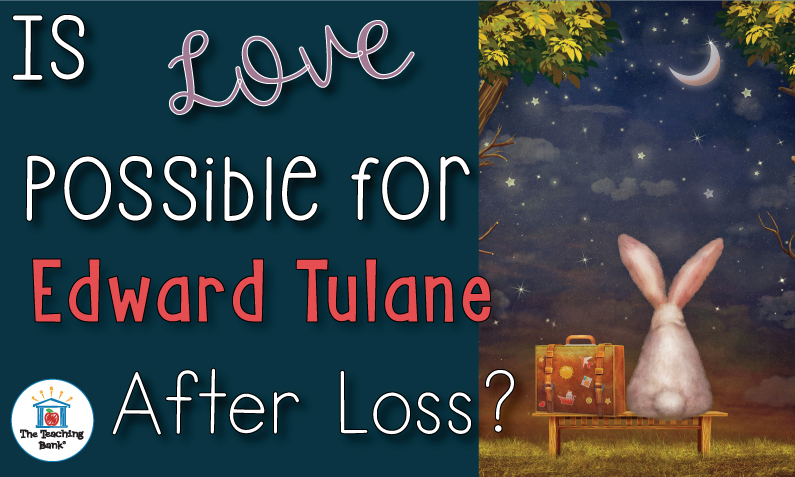
The Miraculous Journey of Edward Tulane contains several themes involving loss and recovery, kindness and compassion, and the journey to self-discovery. A tear or two may be brought to your eyes, but it is a guarantee that this book will touch your heart and the hearts of your students. This novel has an important lesson for all of us.
We earn a commission if you make a purchase, at no additional cost to you.
Benefits of Using The Miraculous Journey of Edward Tulane in Your Classroom:
Cultivating Empathy and Compassion: At the heart of The Miraculous Journey of Edward Tulane is a tale of self-discovery, resilience, and love. As students immerse themselves in Edward’s journey from arrogance to empathy, they are compelled to reflect on their own values and relationships. Through poignant character development and emotional depth, the novel fosters empathy and compassion, essential qualities for navigating a diverse and interconnected world.
Stimulating Critical Thinking: DiCamillo’s masterful storytelling invites readers to ponder profound existential questions and moral dilemmas. From loss and loneliness to the meaning of love and belonging, the novel prompts students to engage in critical reflection and analysis. By grappling with complex themes and character motivations, students develop essential critical thinking skills that extend beyond the confines of the classroom.
Enhancing Literary Appreciation: The Miraculous Journey of Edward Tulane showcases the power of language and narrative to evoke emotions and provoke thought. Through rich imagery, vivid descriptions, and lyrical prose, DiCamillo captivates readers of all ages. By exposing students to high-quality literature, teachers cultivate a lifelong appreciation for the written word and inspire a love of reading that transcends academic boundaries.
Fostering Creativity and Imagination: Immersing students in the whimsical world of Edward Tulane sparks their creativity and imagination. From crafting alternative endings to exploring character perspectives, the novel offers endless opportunities for creative expression. By encouraging students to engage in writing, artwork, and dramatic interpretation, teachers nurture their innate creativity and foster a sense of ownership over their learning.
Building Community and Connection: Shared literary experiences have the power to unite classrooms and foster a sense of belonging among students. Through collaborative discussions, group activities, and shared reflections, The Miraculous Journey of Edward Tulane cultivates a supportive learning community where students feel valued and understood. By connecting on a deeper level through shared storytelling, students forge meaningful relationships and develop essential social-emotional skills.
Through its timeless themes and universal appeal, The Miraculous Journey of Edward Tulane offers a transformative learning experience that extends far beyond the confines of traditional education. By embracing the magic of storytelling, teachers have the power to inspire empathy, ignite imagination, and foster a lifelong love of learning in their students.
“If you have no intention of loving or being loved, then the whole journey is pointless.”
I offer a complete novel study to accompany The Miraculous Journey of Edward Tulane for use in the classroom or homeschool. The unit includes both a printable format and a Google Drive™ format for use in a paperless classroom or with Google Classroom.
Try a free sample of the novel study for The Miraculous Journey of Edward Tulane
You can purchase this novel study at the following locations:
Are you interested in reading about and sharing ideas with other educators on using children’s literature in your classroom? My goal is to bring together teachers and homeschoolers who teach grades 3-8 and use novels with their students. I’d love for you to join me to learn, share, and grow together!
As a teacher, you may be looking for ways to engage your students and encourage critical thinking skills. One way to achieve this is by incorporating novels into your classroom curriculum. The Last Battle, written by C.S. Lewis, the last novel in the Chronicles of Narnia series, is an excellent choice for teachers looking to inspire their students.
We earn a commission if you make a purchase, at no additional cost to you.
Explore the benefits of using The Last Battle in your classroom:
Historical Context: The Last Battle is set during the World War II era and provides insight into the political and cultural climate of the time. This historical context can be used to provide a deeper understanding of the events and attitudes of the time, helping students to make connections between historical events and their contemporary significance.
Character Development: The Last Battle features well-developed characters that students can easily relate to. The protagonist, a young girl named Jill Pole, is faced with difficult choices and must navigate complex moral and ethical dilemmas. This allows students to explore important themes such as courage, loyalty, and personal responsibility.
Multiculturalism: The Last Battle explores the diversity of cultures and the importance of respecting different beliefs and practices. This can be used to promote a multicultural perspective in the classroom and foster an appreciation for different cultures and traditions.
Literary Analysis: The Last Battle is a well-written novel that can be used to teach literary analysis. Students can explore the use of literary devices such as symbolism, foreshadowing, and character development. This can help them to develop their analytical skills and prepare them for higher-level literary analysis in the future.
Imagination and Creativity: The Last Battle is a work of fiction that sparks the imagination and encourages creativity. Students can engage in creative writing activities, such as writing alternate endings or creating their own characters, to further develop their creativity.
The Last Battle is an excellent choice for teachers looking to engage their students and promote critical thinking skills. By exploring the historical context, character development, multiculturalism, literary analysis, and imagination and creativity, students can gain a deeper understanding of the novel and the world around them. Incorporating The Last Battle into your classroom curriculum can help to create a dynamic learning environment and prepare students for success in their future academic pursuits.
I offer a complete novel study to accompany The Last Battle for use in the classroom or homeschool. The unit includes both a printable format and a Google Drive™ format for use in a paperless classroom or with Google Classroom.
Are you interested in reading about and sharing ideas with other educators on using children’s literature in your classroom? My goal is to bring together teachers and homeschoolers who teach grades 3-8 and use novels with their students. I’d love for you to join me to learn, share, and grow together!
Incorporating classic literature into the classroom can significantly enhance students’ reading and writing skills while fostering a lifelong love of literature. One such timeless novel is Dear Mr. Henshaw by Beverly Cleary. This Newbery Medal-winning book is a fantastic choice for educators looking to engage their students with relatable characters, compelling narratives, and valuable life lessons.
We earn a commission if you make a purchase, at no additional cost to you.
Benefits for Using Dear Mr. Henshaw in Your Classroom:
Relatable Characters and Themes: Dear Mr. Henshaw features Leigh Botts, a young boy dealing with common childhood challenges such as parental separation, moving to a new school, and navigating friendships. These themes resonate deeply with students, making it easier for them to connect with the story. By seeing their own experiences reflected in Leigh’s, students are more likely to engage with the material and participate in discussions.
Promotes Emotional Intelligence: The novel delves into Leigh’s emotional journey as he copes with his parents’ divorce and his feelings of isolation. Reading about Leigh’s experiences helps students develop empathy and understanding for others facing similar situations. Teachers can use the book as a springboard for discussions about emotions, encouraging students to express their feelings and support their peers.
Enhances Writing Skills: Dear Mr. Henshaw is written in an informal format, comprising letters and diary entries. This unique structure offers an excellent opportunity for teachers to introduce students to different writing styles. Educators can assign letter-writing exercises, encouraging students to express themselves creatively and personally, thereby improving their writing skills. This format also helps students understand the importance of perspective and voice in writing.
Teaches Problem-Solving and Resilience: Throughout the novel, Leigh faces various challenges and learns to overcome them. This aspect of the story teaches students valuable lessons about problem-solving and resilience. Teachers can highlight these moments, encouraging students to think critically about how they handle their own difficulties and to develop strategies for overcoming obstacles in their lives.
Encourages Critical Thinking: The book provides ample material for critical thinking and discussion. Teachers can ask students to analyze Leigh’s decisions, motivations, and growth throughout the story. Questions like “Why do you think Leigh feels the way he does?” and “How do you think Leigh’s relationship with his father affects his actions?” can prompt deeper analysis and understanding. Such discussions help students to think critically about literature and its connections to real-life situations.
Support Curriculum Standards:Dear Mr. Henshaw aligns well with various educational standards, including those focused on reading comprehension, writing, and social-emotional learning. Its rich content provides numerous opportunities for teachers to address these standards through reading assignments, writing projects, and class discussions. The novel’s complexity and depth make it suitable for diverse classroom activities that meet curriculum goals.
Holds Timeless Appeal: Beverly Cleary’s engaging storytelling and relatable characters have ensured that Dear Mr. Henshaw remains a beloved book for generations. Its timeless appeal makes it a reliable choice for teachers looking to introduce quality literature that remains relevant and engaging year after year.
Dear Mr. Henshaw by Beverly Cleary is an excellent addition to any classroom. Its relatable themes, emotional depth, and unique writing style offer numerous educational benefits. By incorporating this novel into their curriculum, teachers can enhance their students’ reading and writing skills, foster emotional intelligence, and promote critical thinking.
I offer complete novel studies to accompany Dear Mr. Henshaw for use in the classroom or homeschool. Each unit includes both a printable format and a Google Drive™ format for use in a paperless classroom or with Google Classroom.
Try a free sample of the novel study for Dear Mr. Henshaw
You can purchase the novel study for Dear Mr. Henshaw at the following locations:
I offer the novel study for Dear Mr. Henshaw and the sequel, Strider bundled together at a 20% discount!
Are you interested in reading about and sharing ideas with other educators on using children’s literature in your classroom? I aim to bring together teachers and homeschoolers who teach grades 3-8 and use novels with their students. I’d love for you to join me to learn, share, and grow together!
Incorporating Turtle in Paradise by Jennifer L. Holm into your classroom curriculum is a win-win for both teachers and students. From its captivating storytelling and relatable characters to its educational value and diverse representation, this novel enriches learning experiences and fosters a love for reading and understanding history. It is a great book to use in your classroom or homeschool for a whole class novel study, small book groups, or individual book studies.
We earn a commission if you make a purchase, at no additional cost to you.
Benefits of Using Turtle in Paradise in Your Classroom:
Offers Captivating Storytelling: Turtle in Paradise transports readers to 1935 Key West, Florida, where eleven-year-old Turtle faces challenges and adventures in a unique historical setting. Holm’s vivid storytelling brings the era to life, making history come alive for young readers.
Contains Relatable Characters: One of the strengths of Turtle in Paradise lies in its relatable characters. Students can easily connect with Turtle and her journey of self-discovery, friendship, and resilience. The diverse cast of characters adds depth to the story, promoting empathy and understanding.
Presents Historical Context: Holm weaves historical events and settings seamlessly into the narrative, offering a window into the Great Depression and life in 1930s America. Teachers can use the novel to spark discussions about history, economics, and social issues of the time period.
Provides Themes of Family and Community: At its core, Turtle in Paradise explores themes of family, community, and belonging. Through Turtle’s experiences, students can explore the importance of family bonds, the impact of community support, and the power of resilience in the face of adversity.
Incorporates Educational Opportunities: Using Turtle in Paradise in the classroom provides a wealth of educational opportunities. Teachers can integrate language arts activities such as character analysis, plot development, and literary analysis. Additionally, the novel’s historical context opens avenues for social studies discussions and research projects.
Promotes Literacy and Love for Reading: By introducing students to compelling stories like Turtle in Paradise, teachers foster a love for reading and literacy skills development. The book’s engaging plot and relatable characters encourage students to become active readers and critical thinkers.
Shows Diverse Representation: Holm’s novel features diverse characters and perspectives, offering students a chance to explore different backgrounds and experiences. This diversity promotes cultural awareness, empathy, and appreciation for diverse voices in literature.
Turtle is a relatable and funny protagonist that students will enjoy. Her journey of being disillusioned with being different from other kids and finding “her people” leads the reader through the adventures that 1930s Key West had to offer. The scenery and adventures paint a picture of fun and paradise even as Turtle works through personal struggles that don’t feel so great. This journey is one that many kids can relate to or gain empathy from and apply to their relationships.
I offer a complete novel study to accompany Turtle in Paradise for use in the classroom or homeschool. The unit includes both a printable format and a Google Drive™ format for use in a paperless classroom or with Google Classroom.
Try a free sample of the novel study for Turtle in Paradise
You can purchase this novel study at the following locations:
Are you interested in reading about and sharing ideas with other educators on using children’s literature in your classroom? My goal is to bring together teachers and homeschoolers who teach grades 3-8 and use novels with their students. I’d love for you to join me to learn, share, and grow together!