f you’re looking for a high-interest novel that will engage upper elementary readers while providing meaningful opportunities for reading comprehension, discussion, writing, and critical thinking, add The One and Only Ruby by Katherine Applegate to your classroom reading list.
As the final book in the beloved One and Only trilogy, The One and Only Ruby allows students to reconnect with familiar characters while learning more about Ruby, the young elephant whose story began in The One and Only Ivan.
Ruby’s journey is filled with friendship, courage, family, belonging, and resilience. It also gives teachers plenty of opportunities to spark thoughtful conversations and connect literature to real-world topics such as animal welfare, conservation, empathy, and human responsibility.
We earn a commission if you make a purchase, at no additional cost to you.
Why Teach The One and Only Ruby?
Katherine Applegate has created a story that is both accessible to young readers and rich enough to support deeper literary analysis. Students can enjoy Ruby’s story while exploring important themes and practicing essential ELA skills.
Here are just a few reasons The One and Only Ruby makes an excellent classroom novel.
1. It Builds Empathy and Compassion
One of the greatest strengths of The One and Only Ruby is its ability to help students see the world from another perspective.
Ruby’s experiences encourage readers to think about what it means to be separated from home, experience change, form relationships, and find a place where you belong.
These experiences create natural opportunities to discuss empathy, compassion, kindness, and caring for others.
Try asking your students:
How do Ruby’s experiences shape the way she sees the world?
How do other characters demonstrate compassion?
What does it mean to understand someone else’s feelings?
How can we show empathy in our own classroom?
These conversations can extend beyond the novel and help students make meaningful connections to their own lives.
2. The Themes Encourage Meaningful Discussion
The One and Only Ruby is much more than an entertaining animal story. It provides opportunities to explore several universal themes that students can connect to.
Some important themes include:
Friendship
Belonging
Courage
Facing your fears
Family
Growing up
Change
Empathy
Resilience
Finding your place
These themes make the novel especially effective for whole-class novel studies, literature circles, reading groups, and independent reading.
Students can support their ideas with evidence from the text while learning that a story can have multiple meaningful interpretations.
3. It Encourages Critical Thinking
A great novel study should do more than ask students to remember what happened in each chapter.
The One and Only Ruby provides opportunities for students to infer, analyze, predict, explain, compare, and support their thinking with text evidence.
Instead of simply asking, “What happened?” encourage students to ask:
Why did this happen?
How did this event affect the character?
What does this reveal about the character?
What evidence from the text supports your thinking?
How might the story have been different if a character had made a different choice?
These types of questions turn reading into an active process and help students develop stronger comprehension and critical-thinking skills.
4. It Opens the Door to Environmental and Animal Conservation Topics
Because Ruby is an elephant, the novel also provides a natural bridge between fiction and nonfiction learning.
Students can investigate topics such as:
Elephant habitats
African elephants
Animal conservation
Wildlife sanctuaries
Animal behavior
Human impact on wildlife
Captivity versus life in the wild
Protecting endangered animals
This creates an excellent opportunity for cross-curricular learning.
After reading about Ruby’s experiences, students can research a related topic and use information from nonfiction sources to expand their understanding.
You can even have students compare what they learn from informational texts with Ruby’s fictional experiences.
5. It Supports Strong ELA Instruction
One of the biggest advantages of using a high-interest novel in the classroom is that you can teach a wide variety of ELA skills within an authentic reading experience.
The One and Only Ruby novel study can support instruction in:
Reading comprehension
Making inferences
Summarizing
Character analysis
Theme
Story elements
Vocabulary
Grammar
Text evidence
Reading response
Opinion writing
Essay writing
Critical thinking
Nonfiction reading
Literary analysis
Instead of teaching these skills in isolation, students practice them while reading a story they actually care about.
The One and Only Ruby Novel Study Ideas
If you’re planning to teach The One and Only Ruby, consider incorporating a combination of comprehension, vocabulary, writing, and discussion activities.
Character Analysis
Have students track Ruby’s development throughout the story.
Students can identify:
Ruby’s character traits
Challenges she faces
Important decisions she makes
How she changes
Relationships that influence her
Evidence that supports their thinking
A character development chart can be especially useful for helping students see how a character changes over the course of a novel.
Vocabulary Activities
Create a vocabulary list from the novel and have students use context clues to determine word meanings.
Students can then:
Define words in their own words
Identify synonyms and antonyms
Use words in original sentences
Illustrate vocabulary
Find examples of words used in context
Reading Comprehension Questions
Instead of relying only on basic recall questions, include a mixture of literal, inferential, and analytical questions.
For example:
Literal: What happened?
Inferential: Why do you think the character made that choice?
Analytical: How does this event contribute to one of the novel’s themes?
This progression helps students move from understanding the text to thinking deeply about it.
Opinion and Essay Writing
The novel also provides excellent opportunities for text-based writing.
Students can respond to questions related to animals, conservation, friendship, belonging, or decisions made by characters.
Require students to support their opinions with specific evidence from the novel.
This is a great way to combine reading comprehension and writing instruction.
Teaching The One and Only Ruby With a Complete Novel Study
If you don’t want to spend hours creating The One and Only Ruby worksheets, comprehension questions, vocabulary activities, assessments, and writing assignments, a ready-to-use novel study can save you valuable planning time.
What’s Included in the The One and Only Ruby Novel Study?
Chapter-by-chapter comprehension questions
Vocabulary activities
Grammar activities
Reading responses
Writing activities
Nonfiction reading
Opinion writing
Character and story element activities
Assessments
Answer keys
Teacher lesson plans
Common Core standards alignment
Printable PDF resources
Digital Google Slides activities
Digital Google Forms assessments
It’s designed to give you the structure of a complete novel unit without requiring you to create everything from scratch.
Try a Free Sample
Want to see what the novel study looks like before purchasing?
Download the free sample and preview the activities included in the complete unit.
Bring The One and Only Ruby Into Your Classroom
The best classroom novels are the ones that make students want to keep reading while giving teachers opportunities to teach important skills.
The One and Only Ruby does both.
Ruby’s story can lead your students into conversations about empathy, friendship, courage, belonging, conservation, and what it means to find your place in the world.
Pair the novel with thoughtful comprehension questions, vocabulary activities, writing assignments, nonfiction connections, and discussion, and you have the foundation for a rich and engaging upper elementary novel study.
If you’re ready to make teaching The One and Only Ruby easier, check out the complete The One and Only Ruby Novel Study for grades 4–6.
Less prep. More meaningful reading. More opportunities for your students to think, discuss, write, and connect.
Is The One and Only Ruby a Good Book for a Novel Study?
Absolutely!
If your students enjoyed The One and Only Ivan and The One and Only Bob, The One and Only Ruby is a natural addition to your classroom library and novel study plans.
Even students who haven’t read the earlier books can find plenty to appreciate in Ruby’s story. The novel’s themes of friendship, courage, belonging, empathy, and resilience give students opportunities to connect personally with the characters while developing important reading and writing skills.
And because the story connects naturally to animal conservation and nonfiction research, it can become the starting point for much more than a traditional book unit.
Connect with Fellow Educators!
Are you teaching The One and Only Ruby this school year?
Join our free community, Book Talk with The Teaching Bank, to share ideas, grab freebies, and connect with 3rd–8th grade teachers using novels in the classroom!
*The Teaching Bank participates in the Amazon Associate Program and earns a fee from qualifying purchases made on the Amazon.com site.
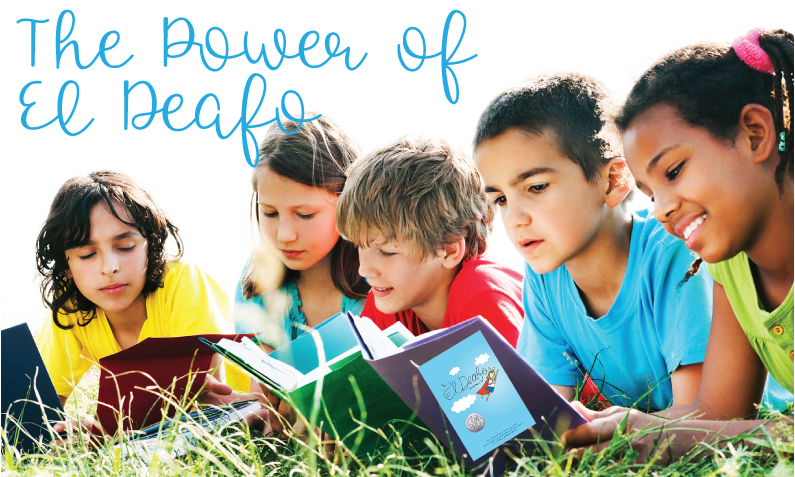
In today’s classrooms, fostering empathy, promoting inclusivity, and celebrating differences are more vital than ever. Literature has always been our most effective tool to build these connections—and few books do it as masterfully as Cece Bell’s Newbery Honor-winning graphic novel, El Deafo.
Whether you are looking to engage reluctant readers, deepen your Social-Emotional Learning (SEL) curriculum, or build genuine disability awareness, El Deafo provides an unforgettable lens into the real-world experiences of growing up with hearing loss.
We earn a commission if you make a purchase, at no additional cost to you.
A Personal Perspective: Why El Deafo Touches My Heart
As someone who has lived with hearing loss for over 25 years, I know firsthand the daily friction of trying to communicate in a world built for the hearing. Hearing loss has affected almost every area of my life—it even led to the end of my classroom teaching career.
A while back, I participated in an online discussion with fellow educators about the factuality of the novel Wonder by R.J. Palacio. While I love Wonder and believe it holds a valuable spot in the classroom, I’ve always been concerned about how it portrays hearing loss and hearing aids. (In fact, when I created my Wonder Novel Study, I included a non-fiction article to help students understand the real-world science behind hearing loss so they could spot the story’s inaccuracies.)
During that discussion, an educator asked me:
“Shelley, have you read El Deafo by Cece Bell? How realistic is it to someone who actually walks in those shoes?”
I immediately ordered a copy. From the moment I opened it, I was nodding my head in complete agreement.
Cece Bell’s autobiographical journey captured feelings I’ve carried for decades—isolation, self-consciousness, social fatigue, and the exhaustion of putting up with awkward interactions out of fear or embarrassment.
Most importantly, the book highlights a critical truth the hearing world often overlooks: Volume does not equal clarity.
Shouting, talking unnaturally slow, or exaggerating mouth movements does not help someone with hearing loss. In fact, it ruins lip-reading and makes communication much harder! Cece’s story shows how she took these everyday struggles and transformed them into her superhero alter ego, “El Deafo.”
You don’t need to have hearing loss to fall in love with Cece’s journey—but reading it will make anyone a more compassionate, understanding human being.
6 Key Benefits of Teaching El Deafo in Grades 4–6
1. 🤟 Promotes Real Disability Awareness & Deaf Culture
El Deafo offers an authentic, first-hand look at what it’s like to navigate school and friendships with a hearing impairment. It strips away misconceptions and gives students an accurate understanding of assistive technology and accessibility.
2. ❤️ Builds Deep Social-Emotional Learning (SEL) & Empathy
By following Cece’s internal monologues and social triumphs, students learn to recognize the feelings of others, reflect on their own behaviors, and navigate complex friendship dynamics with kindness.
Cece’s creation of “El Deafo” teaches young readers that the things that make us different aren’t weaknesses—they can become our greatest strengths. It encourages students to embrace their unique traits with confidence.
4. 📖 Hooks Reluctant & Visual Readers
As a graphic novel, El Deafo pairs rich visual context with accessible text. It is an extraordinary format for striving readers, ESL/ELL students, and visual learners to practice high-level literary analysis without feeling overwhelmed.
5. 🗣️ Sparks Meaningful Classroom Discussions
Cece’s story naturally opens the door for class discussions on tough topics: standing up to bullies, overcoming social anxiety, effective communication strategies, and true inclusion.
6. 🌐 Blends Fiction with Non-Fiction Learning
Pairing Cece’s memoir with non-fiction research on audiology, ear anatomy, and famous figures with hearing loss allows teachers to connect ELA standards directly with Science and Health topics.
Take Your El Deafo Unit Further (Zero Prep Required!)
Teaching a graphic novel comes with unique opportunities—and unique challenges! To help you deliver a comprehensive, standards-aligned unit without spending your weekends planning, I created the El Deafo Complete Novel Study.
Designed specifically for Grades 4–6, this 147+ page resource combines deep ELA reading comprehension with interactive non-fiction research.
🌟 What’s Included in the Unit?
3-Week Pacing & Daily Lesson Plans: Structured, step-by-step teacher guides aligned to Common Core Standards.
Chapter-by-Chapter Comprehension: Short-answer questions that analyze both textual content and visual graphic panel cues.
6 Non-Fiction WebQuest Foldables: Interactive research activities covering ear anatomy, audiology, assistive technology, communication strategies, and deaf history.
End-of-Book Assessment Packet: Comprehensive final test available in printable format and self-grading Google Forms™.
Printable PDF & Google Drive™ Formats: Ready for traditional paper workbooks or paperless 1:1 Chromebook classrooms.
Give your students a reading unit they will talk about for the rest of the school year while saving yourself hours of prep time!
You can purchase this novel study at the following locations:
💬 Join the Conversation!
Have you taught graphic novels in your upper elementary or middle school classroom? How do your students react to Cece’s journey in El Deafo?
Come share your ideas, lesson tips, and book recommendations with hundreds of passionate educators in our free Facebook community: Book Talk with The Teaching Bank!
*The Teaching Bank participates in the Amazon Associate Program and earns a fee from qualifying purchases made on the Amazon.com site.
The Summer of the Swans by Betsy Byars is a great coming-of-age novel to use in your classroom or homeschool for a whole class novel study, in small book groups, or with individual book studies to explore the character’s path to self-acceptance and the growth to understand what is really important in her heart.
We earn a commission if you make a purchase, at no additional cost to you.
Benefits of Using The Summer of the Swans in Your Classroom:
Offers Themes of Identity and Adolescence: At its core, The Summer of the Swans delves into the universal themes of identity and adolescence. Set against the backdrop of a small town, the novel follows the journey of Sara, a teenage girl grappling with feelings of insecurity and self-doubt. Her struggles with her own identity, coupled with her desire for acceptance, resonate deeply with young readers navigating similar challenges. By exploring Sara’s journey, students can engage in meaningful discussions about self-discovery, empathy, and the importance of embracing one’s true self.
Contains Rich Character Development: Betsy Byars has masterfully crafted a diverse cast of characters in The Summer of the Swans, each with their own unique struggles and complexities. From Sara’s protective older sister Wanda to the enigmatic Charlie, the characters in the novel are richly developed and multi-dimensional. By analyzing and discussing these characters, students can gain valuable insights into human nature, empathy, and the complexities of interpersonal relationships.
Explorations of Family Dynamics: Family dynamics play a central role in The Summer of the Swans, providing ample opportunities for classroom discussions. From Sara’s strained relationship with her older sister to her deep bond with her mentally challenged brother, the novel offers a nuanced portrayal of familial love and conflict. By examining these dynamics, students can explore themes of empathy, forgiveness, and the importance of family support systems.
Connection to Nature: Nature serves as a powerful backdrop in The Summer of the Swans, with the tranquil setting of the lake and the majestic swans playing a symbolic role throughout the novel. By immersing students in the natural world depicted in the story, teachers can encourage a deeper appreciation for the environment and foster a sense of wonder and curiosity. Additionally, the novel provides opportunities for interdisciplinary learning, with themes of ecology, conservation, and environmental stewardship woven throughout the narrative.
Provides Literary Merit and Cross-Curricular Connections: The Summer of the Swans has received critical acclaim since its publication, earning numerous awards, including the Newbery Medal. Its literary merit makes it an ideal choice for classroom use, providing students with exposure to high-quality literature and opportunities for literary analysis and interpretation. Furthermore, the novel lends itself to cross-curricular connections, with potential tie-ins to history, social studies, and art, allowing teachers to integrate multiple subject areas seamlessly.
Incorporating The Summer of the Swansby Betsy Byars into the classroom offers myriad benefits for both teachers and students alike. From its exploration of universal themes to its rich character development and literary merit, the novel provides ample opportunities for engagement, discussion, and learning. By harnessing the power of literature, teachers can inspire a lifelong love of reading and foster empathy, critical thinking, and creativity in their students.
I offer a complete novel study to accompany The Summer of the Swans for use in the classroom or homeschool. The unit includes both a printable format and a Google Drive™ format for use in a paperless classroom or with Google Classroom.
Try a free sample of the novel study for The Summer of the Swans
You can purchase this novel study at the following locations:
Are you interested in reading about and sharing ideas with other educators on using children’s literature in your classroom? My goal is to bring together teachers and homeschoolers who teach grades 3-8 and use novels with their students. I’d love for you to join me to learn, share, and grow together!
Louis Sachar’s Small Steps, a sequel to the critically acclaimed Holes, stands out for its engaging narratives and profound themes. Teachers should consider incorporating Small Steps into their classroom curriculum. From its relatable characters to its valuable life lessons, this novel offers numerous educational benefits that can enhance students’ learning experiences.
We earn a commission if you make a purchase, at no additional cost to you.
The main character, Stanley Yelnats’ story was wrapped up in the book Holes. In Holes, we were introduced to several other boys who had been sentenced to Camp Green Lake but the book didn’t go too much into their backstories, nor do we know what happened to them moving forward. Small Steps fills this hole for the readers regarding the characters, Armpit and X-Ray.
Benefits of Using Small Steps in Your Classroom:
Offers Relatable Characters and Real-World Issues: Small Steps follows the journey of Armpit, a character from Holes, as he navigates life after his release from a juvenile detention center. The story addresses real-world issues such as overcoming adversity, personal growth, and the challenges of reintegration into society. These themes are relatable to students, especially those who may be facing their own struggles. By seeing a character overcome obstacles, students can find inspiration and hope in their own lives.
Promotes Critical Thinking and Discussion: The novel is rich with themes that lend themselves to classroom discussions and critical thinking exercises. Topics such as friendship, redemption, and societal expectations can prompt meaningful conversations among students. Teachers can use Small Steps to encourage students to analyze character motivations, plot developments, and the broader social context of the story. This not only enhances their comprehension skills but also fosters a deeper understanding of the world around them.
Encourages Empathy and Emotional Intelligence: Louis Sachar’s writing is known for its ability to evoke empathy and emotional responses from readers. Small Steps is no different, as it allows students to see the world through the eyes of Armpit and other characters. By engaging with these perspectives, students can develop greater empathy and emotional intelligence. These skills are crucial for personal development and for creating a supportive and understanding classroom environment.
Integrates Well with Other Subjects: Small Steps can be integrated into various subjects beyond just language arts. For example, teachers can incorporate lessons on social studies by discussing the societal issues portrayed in the book. Math lessons can include problem-solving activities related to the plot, such as calculating distances or managing finances as Armpit does. This interdisciplinary approach can make learning more engaging and relevant for students.
Enhances Reading and Writing Skills: Reading Small Steps provides an opportunity for students to improve their reading and writing skills. Teachers can assign reading comprehension exercises, vocabulary-building activities, and creative writing prompts based on the novel. For instance, students can write alternative endings, character diaries, or persuasive essays on the book’s themes. These activities help students practice critical literacy skills in a fun and meaningful way.
Incorporating Small Steps by Louis Sachar into the classroom offers numerous educational benefits. Its relatable characters and real-world issues can inspire and engage students, while its themes promote critical thinking, empathy, and emotional intelligence. Additionally, the novel’s versatility allows it to be integrated with various subjects, enhancing students’ overall learning experience. By choosing Small Steps, teachers can provide their students with a rich and rewarding literary journey.
I offer a complete novel study to accompany Small Steps for use in the classroom or homeschool. The unit includes both a printable format and a Google Drive™ format for use in a paperless classroom or with Google Classroom. The subject matter of Small Steps is a little more mature than Holes. I have my Holes novel study marked for 4-6th grades, whereas Small Steps is marked for 5-8th grades due to the more mature nature of the plotline.
Are you interested in reading about and sharing ideas with other educators on using children’s literature in your classroom? My goal is to bring together teachers and homeschoolers who teach grades 3-8 and use novels with their students. I’d love for you to join me to learn, share, and grow together!
Strider by Beverly Cleary is a captivating novel that will engage your students and spark meaningful discussions in your classroom. This timeless classic, the sequel to the award-winning Dear Mr. Henshaw, captivates readers with its rich themes and relatable characters making it an excellent choice for educators.
We earn a commission if you make a purchase, at no additional cost to you.
Benefits of Using Strider in Your Classroom:
Relatable Themes: Strider delves into themes that resonate with students of all ages. From friendship and self-discovery to dealing with challenges and finding one’s voice, the novel offers a wealth of topics for meaningful classroom discussions. Students can relate to the protagonist’s journey and learn valuable life lessons along the way.
Character Development: The characters in Strider are well-developed and multi-dimensional, making them perfect for character analysis and discussions about growth and change. Students can explore how the protagonist evolves throughout the story and what drives their actions, fostering critical thinking and empathy.
Literary Analysis Opportunities: Beverly Cleary’s writing style in Striderprovides ample opportunities for literary analysis. From narrative techniques to symbolism and imagery, students can delve deep into the text and uncover layers of meaning, enhancing their analytical and interpretive skills.
Relevance to Curriculum Standards: Strider aligns with various curriculum standards, including those related to language arts, character education, and social-emotional learning. Teachers can seamlessly integrate the novel into their lesson plans to meet educational objectives while engaging students in meaningful discussions and activities.
Encourages a Love for Reading: One of the most significant benefits of using Strider in the classroom is its ability to instill a love for reading in students. The captivating story, relatable characters, and thought-provoking themes can inspire a lifelong passion for literature and storytelling.
Strider by Beverly Cleary is a valuable addition to any classroom library. Its relatable themes, well-developed characters, literary merits, alignment with curriculum standards, and ability to foster a love for reading make it a must-read for students of all ages. By incorporating Strider into your classroom, you can ignite curiosity, foster critical thinking, and create memorable learning experiences for your students.
I offer complete novel studies to accompany Strider for use in the classroom or homeschool. Each unit includes both a printable format and a Google Drive™ format for use in a paperless classroom or with Google Classroom.
Try a free sample of the novel study for Dear Mr. Henshaw
You can purchase the novel study for Strider at the following locations:
I offer the novel study for Dear Mr. Henshaw and the sequel, Strider bundled together at a 20% discount!
Are you interested in reading about and sharing ideas with other educators on using children’s literature in your classroom? My goal is to bring together teachers and homeschoolers who teach grades 3-8 and use novels with their students. I’d love for you to join me to learn, share, and grow together!




 Connect with Fellow Educators!