Looking for an engaging Holes novel study that will keep your students reading, thinking, discussing, and writing? Holes by Louis Sachar is a fantastic choice for a classroom novel, and with the right activities and discussion questions, it can become so much more than just a book your students read.
Filled with mystery, humor, memorable characters, unexpected connections, and important life lessons, Holes gives upper-elementary and middle school students plenty to think about.
We earn a commission if you make a purchase, at no additional cost to you.
If you’re planning a Holes book study for 4th, 5th, or 6th grade, this novel offers countless opportunities to teach reading comprehension, vocabulary, character development, theme, inference, text evidence, writing, and critical thinking.
And the best part? You don’t have to create all of those lessons and activities yourself.
Why Teach Holes by Louis Sachar?
Holes follows Stanley Yelnats as he is sent to Camp Green Lake, a juvenile detention camp where the boys are forced to dig holes every day. What initially appears to be a strange punishment gradually becomes part of a much bigger story involving family history, friendship, justice, perseverance, and the surprising connections between the past and present.
Louis Sachar’s storytelling makes Holes especially effective for a classroom novel study because students have plenty of reasons to keep reading.
The novel’s mystery naturally encourages students to make predictions, ask questions, notice clues, make inferences, and connect seemingly unrelated events.
That makes Holes an excellent book for teaching deeper reading skills—not simply checking whether students remember what happened in each chapter.
6 Reasons Holes Works So Well as a Classroom Novel
1. It Encourages Critical Thinking
One of the greatest strengths of Holes is its complex plot.
Students have to pay attention to details and think about how events connect. As the story unfolds, they can make predictions, draw conclusions, identify clues, and revise their thinking.
This makes Holes an excellent novel for teaching skills such as:
Making inferences
Making predictions
Citing text evidence
Making connections
Analyzing plot
Identifying cause and effect
Summarizing
Drawing conclusions
Instead of simply asking students, “What happened?” you can ask them to think about why it happened and what it means.
2. It Teaches Resilience and Perseverance
Stanley faces difficult circumstances throughout the novel, and students have many opportunities to discuss resilience, perseverance, friendship, courage, and overcoming adversity.
These themes can lead to meaningful classroom conversations about how characters respond when things don’t go according to plan.
Students can examine the choices characters make and consider questions such as:
How do characters respond to challenges?
What makes someone resilient?
How do friendships change the characters?
When should someone stand up for what is right?
How do the characters’ experiences shape who they become?
These discussions can help students connect the events of the novel to their own lives and experiences.
3. The Characters Give Students Plenty to Analyze
From Stanley Yelnats to Zero and the many characters connected to Camp Green Lake, Holes provides excellent opportunities for character analysis.
Students can track how characters change throughout the novel, examine their motivations, and support their ideas with evidence from the text.
Character analysis activities can help students move beyond simply describing a character and begin explaining how and why a character changes.
4. The Themes Encourage Meaningful Discussion
Holes contains several themes that are appropriate for rich classroom discussion, including:
Friendship
Justice and fairness
Perseverance
Family
Fate
Choices and consequences
Racism and prejudice
Social inequality
Redemption
Because these themes develop throughout the novel, students can return to them as they read and consider how their understanding changes.
5. The Unusual Plot Keeps Students Engaged
Let’s be honest: getting students excited about reading a class novel isn’t always easy.
Holes has a built-in advantage.
There are mysteries to solve, questions to answer, characters to understand, and connections between the past and present that gradually become clearer.
Students are often eager to find out what happens next—which makes it much easier to build reading lessons around the novel.
6. It Works Across Multiple ELA Skills
A good novel study should do more than provide chapter questions.
Holes can become the foundation for an entire ELA unit incorporating:
Reading comprehension
Vocabulary
Grammar
Writing
Character analysis
Theme
Plot
Text evidence
Critical thinking
Literary analysis
Discussion
Assessment
That means students are practicing important literacy skills while reading a book they actually want to finish.
Make Teaching Holes Easier with a Complete Novel Study
Of course, there’s one problem with creating a comprehensive Holes unit:
It takes a LOT of time.
You need comprehension questions. Vocabulary activities. Writing prompts. Assessments. Answer keys. Lesson plans. Extension activities.
And if you’re teaching multiple novels during the year, that preparation time adds up quickly.
This ready-to-use resource gives you the materials you need to turn Holes into a meaningful ELA unit without spending hours creating everything from scratch.
What’s Included in the Holes Novel Study?
The Holes novel study includes teacher and student materials designed to support students throughout the entire novel.
You’ll find:
Detailed lesson plans
Reading guides
Chapter-by-chapter comprehension questions
Vocabulary activities
Grammar activities
Writing activities
Critical-thinking questions
Character and literary analysis
Assessments
Answer keys
Interactive notebook activities
End-of-book activities
Common Core ELA standards alignment
There are also printable and digital resources, giving you the flexibility to use the unit in a traditional classroom, paperless classroom, or Google Classroom environment.
A No-Prep Holes Novel Unit
One of my favorite things about using a ready-made novel study is the time it saves.
Instead of searching Pinterest for Holes activities, creating comprehension questions, and putting together your own assessments, you can have the materials ready to go.
Print what you need.
Assign the digital activities when appropriate.
And spend your planning time focusing on your students instead of creating worksheets.
Perfect for:
4th grade ELA
5th grade ELA
6th grade ELA
Whole-class novel studies
Small-group reading
Literature circles
Reading intervention
Independent reading
Homeschool
Digital learning
Paperless classrooms
Help Students Go Beyond Basic Comprehension
One of the biggest goals of a novel study should be helping students become better readers and thinkers.
That’s why the activities in this Holes unit go beyond simple recall questions.
Students are asked to think about characters, themes, vocabulary, plot developments, and the author’s choices.
They practice using evidence from the text to support their ideas and develop written responses that demonstrate actual understanding.
Instead of simply asking:
“What happened?”
students can explore questions such as:
“Why did this happen?”
“What evidence supports your thinking?”
“How has this character changed?”
“What theme is developing?”
“How are the events of the past connected to what is happening in Stanley’s life?”
Those are the kinds of questions that turn reading into meaningful ELA instruction.
Printable + Digital Holes Activities
Teachers need flexibility, especially when classroom needs can change from year to year.
This Holes novel study includes both printable and digital formats, so you can choose what works best for your students.
Use the printable pages for traditional classroom instruction or assign digital activities for students working independently or in a paperless classroom.
You can also mix and match formats throughout the unit.
Not sure if this Holes book study is right for your classroom?
You can download a free sample and see the types of activities included before purchasing the complete unit.
It’s a great way to preview the resource and see how it can fit into your Holes reading unit.
Bring Holes to Life in Your Classroom
Holes by Louis Sachar is much more than an entertaining story about a boy digging holes in the desert.
It’s a novel about friendship, perseverance, family, justice, choices, and the surprising ways stories connect across generations.
Those themes make it an excellent choice for a 4th-6th grade novel study, while the engaging plot keeps students invested in the reading.
With a complete, ready-to-use Holes novel unit, you can spend less time creating materials and more time helping your students become thoughtful, confident readers.
Ready to start your Holes novel study?
[→ SHOP THE HOLES NOVEL STUDY]
Connect with Fellow Educators!
Are you teaching Holes this school year?
Join our free community, Book Talk with The Teaching Bank, to share ideas, grab freebies, and connect with 3rd–8th grade teachers using novels in the classroom!
*The Teaching Bank participates in the Amazon Associate Program and earns a fee from qualifying purchases made on the Amazon.com site.
Looking for an engaging novel for your 3rd, 4th, or 5th grade ELA curriculum? The Chocolate Touch by Patrick Skene Catling is a fun, fast-paced chapter book that can turn reading time into meaningful lessons in reading comprehension, vocabulary, character development, and critical thinking.
In this classic story, John Midas discovers a magical chocolate bar that turns everything he touches into chocolate. What begins as an exciting discovery quickly becomes a problem as John learns that getting everything you want isn’t always as wonderful as it seems.
That combination of humor, fantasy, and an important life lesson makes The Chocolate Touch an excellent choice for an upper-elementary novel study.
We earn a commission if you make a purchase, at no additional cost to you.
Why Teach The Chocolate Touch?
🍫 It’s Highly Engaging
The magical premise immediately gives students something to wonder about. What would happen if everything you touched turned into chocolate?
The fast-moving story and imaginative situations make The Chocolate Touch an easy book to use for a whole-class novel, read-aloud, small-group reading, or independent reading unit.
📚 It Builds Reading Comprehension
The Chocolate Touch novel study provides plenty of opportunities for students to practice comprehension skills while reading an engaging story.
Students can work on:
Identifying important story details
Making predictions and inferences
Summarizing chapters
Identifying the problem and solution
Analyzing characters
Understanding cause and effect
Determining theme
Supporting answers with evidence from the text
Because the story is entertaining, students practice these skills with a book they actually want to keep reading.
✏️ It Provides Vocabulary Practice
The Chocolate Touch is also a great opportunity to introduce students to new vocabulary in context.
Rather than simply memorizing definitions, students can examine how words are used in the story and use context clues to develop their understanding.
Vocabulary instruction can easily become part of your The Chocolate Touch book unit without taking away from the enjoyment of reading.
💭 It Encourages Deeper Thinking
John’s experience with the magical chocolate bar provides natural opportunities to discuss responsibility, greed, consequences, self-control, and moderation.
Students can consider questions such as:
Would you want John’s magical ability? Why or why not?
When does something good become too much of a good thing?
How do John’s choices affect other people?
What does John learn throughout the story?
What is the author trying to teach readers?
These discussions help move students beyond simply remembering what happened in the book and toward higher-level thinking and literary analysis.
📖 It Connects to Other Literature
The Chocolate Touch also provides a fun opportunity to make connections to other stories.
One especially interesting comparison is the Greek myth of King Midas, since both stories involve a character discovering that getting exactly what you want can have unexpected consequences.
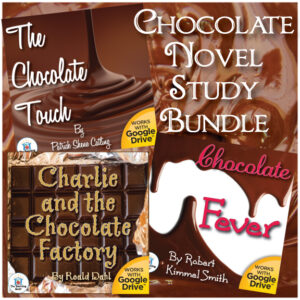
You could also create a fun chocolate-themed reading unit by pairing The Chocolate Touch with books such as Chocolate Fever and Charlie and the Chocolate Factory.
Make Teaching The Chocolate Touch Easier
If you’re looking for The Chocolate Touch activities, comprehension questions, vocabulary, assessments, and writing activities to go along with the book, I’ve created a complete The Chocolate Touch novel study designed to save teachers time.
The resource includes:
Chapter-by-chapter comprehension
Vocabulary activities
Writing and extension activities
Assessments
Teacher lesson plans and answer keys
Printable and digital materials
It’s designed for approximately two weeks of instruction and can be used with 3rd, 4th, or 5th grade students.
A FREE PREVIEW is available so you can see exactly what is included before purchasing.
🍫 Get the Complete The Chocolate Touch Novel Study
Instead of spending your time searching for individual The Chocolate Touch worksheets and activities, you can have a complete novel unit ready to use.
A Sweet Addition to Your ELA Curriculum
The Chocolate Touch is more than just a fun story about chocolate. It gives students opportunities to practice important reading comprehension, vocabulary, writing, character analysis, and critical-thinking skills while exploring themes they can connect to their own lives.
If you’re planning a The Chocolate Touch novel study for grades 3–5, this engaging classic can be a great addition to your upper-elementary reading curriculum.
Try a chocolate theme by incorporating The Chocolate Touch along with Chocolate Fever and Charlie and the Chocolate Factory!
Are you teaching The Chocolate Touch this school year?
Join our free community, Book Talk with The Teaching Bank, to share ideas, grab freebies, and connect with 3rd–8th grade teachers using novels in the classroom!
*The Teaching Bank participates in the Amazon Associate Program and earns a fee from qualifying purchases made on the Amazon.com site.
Looking for an engaging novel study for Lunch Money by Andrew Clements? This entertaining middle-grade novel gives students much more than a good story. It also opens the door to meaningful conversations about entrepreneurship, money, creativity, competition, friendship, problem-solving, and decision-making.
If you’re looking for an engaging ELA novel unit for grades 4–6, Lunch Money is an excellent choice for combining reading comprehension with real-world learning.
We earn a commission if you make a purchase, at no additional cost to you.
About Lunch Money by Andrew Clements
In Lunch Money, students follow Greg Kenton, a student who is fascinated by money and determined to find ways to make it. His entrepreneurial spirit leads him to create and sell his own comic books at school.
But Greg’s business doesn’t go exactly as planned.
As Greg navigates competition, friendship, school rules, and the challenges of running a business, students get plenty to think about and discuss. The story naturally encourages readers to consider questions about fairness, competition, creativity, perseverance, and what it really means to succeed.
These relatable themes make Lunch Money a particularly useful book for classroom discussion and a great addition to an upper-elementary or middle-school novel study.
Why Teach Lunch Money in Your Classroom?
💰 Introduce Financial Literacy
One of the most valuable aspects of Lunch Money is the way it introduces students to financial concepts through a story they can understand.
Greg’s experiences provide opportunities to talk about:
Earning and spending money
Pricing products
Profit and expenses
Competition
Risk and reward
Entrepreneurship
Making financial decisions
Rather than learning about these ideas in isolation, students see them play out through a character and situation that feel relevant to their own lives.
📚 Strengthen Reading Comprehension
An engaging story gives students a reason to keep reading—and Lunch Money provides plenty of opportunities for meaningful comprehension work.
As students read, they can examine character development, motivations, plot events, conflicts, themes, and cause-and-effect relationships.
The novel also lends itself naturally to discussion and written responses, helping students move beyond simply remembering what happened and toward thinking more deeply about the text.
💡 Encourage Creativity and Critical Thinking
Greg’s entrepreneurial ideas provide an excellent starting point for creative and critical-thinking activities.
Students can consider questions such as:
What makes a product successful?
How would you market something you created?
What makes competition fair or unfair?
How can problems lead to new ideas?
What would you do differently if you were Greg?
These types of questions encourage students to apply ideas from the novel to situations outside the story.
🤝 Explore Friendship, Competition, and Fairness
Lunch Money isn’t only about making money.
The relationships and conflicts between the characters give students opportunities to discuss friendship, competition, cooperation, fairness, integrity, and empathy.
These themes can lead to thoughtful classroom conversations and written responses while helping students connect the events of the novel to their own experiences.
Make Lunch Money Easy to Teach With a Complete Novel Study
If you want to teach Lunch Money without spending hours creating comprehension questions, vocabulary activities, assessments, and extension activities, a ready-to-use Lunch Money novel study can save you valuable planning time.
My Lunch Money Novel Study includes both printable and digital resources, making it easy to use whether your students work with paper materials or in a paperless classroom.
The unit includes resources for reading comprehension, vocabulary, grammar, writing, assessment, and literary analysis, along with teacher materials to help you keep the novel study organized.
What’s Included?
The Lunch Money novel unit includes:
Teacher lesson plans and pacing support
Reading comprehension questions
Vocabulary activities
Grammar activities
Writing activities
Assessments
Answer keys
Extension activities
Story elements activities
Standards alignment
Printable PDF resources
Digital Google Drive™ resources
The unit is designed for approximately grades 4–6 and can be used for whole-class instruction, small groups, independent reading, literature circles, or homeschool.
A complete novel study means you don’t have to search for separate Lunch Money worksheets, comprehension questions, vocabulary activities, and assessments.
Everything is organized into one resource so you can spend less time preparing and more time helping your students engage with the book.
Whether you’re planning an ELA novel study, reading unit, literature unit, or financial literacy connection, Lunch Money gives you plenty of opportunities to make reading meaningful and relevant.
Try the Free Preview
Want to see what’s included before purchasing?
You can download a free sample of the Lunch Money novel study to preview the types of activities and resources included in the complete unit.
You can purchase this novel study at the following locations:
Teach More Than a Novel
One of the best things about using children’s literature in the classroom is the opportunity to connect reading to the real world.
Lunch Money gives students a story they can enjoy while opening conversations about money, entrepreneurship, creativity, competition, friendship, and making responsible decisions.
Add a strong reading comprehension and ELA component with a ready-to-use Lunch Money novel study, and you have a flexible unit that can take your students well beyond simply reading the book.
Grab your copy of Lunch Money by Andrew Clements and get ready to explore this engaging story with your students!
Connect with Fellow Educators!
Are you teaching Lunch Money this school year?
Join our free community, Book Talk with The Teaching Bank, to share ideas, grab freebies, and connect with 3rd–8th grade teachers using novels in the classroom!
*The Teaching Bank participates in the Amazon Associate Program and earns a fee from qualifying purchases made on the Amazon.com site.
Looking for a high-interest novel that encourages reading comprehension, critical thinking, creativity, and meaningful classroom discussion? The Magician’s Nephew by C. S. Lewis is an excellent choice for upper elementary and middle school readers.
Although The Lion, the Witch and the Wardrobe is the best-known book in the Chronicles of Narnia, The Magician’s Nephew offers teachers a wonderful opportunity to introduce students to fantasy literature while exploring complex themes, character development, symbolism, and the consequences of choices.
With its imaginative settings, memorable characters, and thought-provoking themes, this classic novel can become much more than a reading assignment. It can serve as the foundation for a rich ELA novel study that develops important reading and writing skills.
We earn a commission if you make a purchase, at no additional cost to you.
Why Teach The Magician’s Nephew in the Classroom?
1. Introduces Students to Fantasy Literature
Fantasy is a natural way to capture students’ imaginations, and The Magician’s Nephew provides plenty of opportunities to explore the genre.
Students encounter:
Magical worlds
Otherworldly settings
Mythical creatures
Magic and supernatural elements
Larger-than-life characters
Good versus evil
Heroes and villains
Extraordinary events
As students read, they can identify the characteristics of fantasy fiction and compare them with other books they have read.
This makes The Magician’s Nephew an especially useful choice when teaching students how genre influences a story’s setting, characters, conflicts, and plot.
2. Builds Reading Comprehension Skills
A great novel gives students something worth thinking about—and The Magician’s Nephew provides plenty of opportunities for deeper reading.
Rather than simply asking students to recall what happened in each chapter, teachers can use the novel to help students:
Make inferences
Determine important ideas
Summarize chapters
Analyze characters
Identify themes
Examine cause and effect
Make predictions
Support answers with text evidence
Analyze how events affect the plot
Connect ideas across the novel
These skills are essential components of strong reading comprehension instruction.
A structured novel study can make these skills easier to teach because students practice them repeatedly as they move through the book.
3. Encourages Critical Thinking
One of the biggest strengths of The Magician’s Nephew is that it gives students plenty to discuss.
The novel explores ideas about good and evil, temptation, responsibility, friendship, courage, choices, and consequences.
These themes naturally lead to questions that have more than one obvious answer.
For example:
Why do characters make the choices they make?
What happens when characters act without thinking about the consequences?
What makes someone courageous?
How do our choices affect other people?
What can we learn from characters who make mistakes?
How does a character change throughout the story?
Questions like these move students beyond basic comprehension and into analysis, evaluation, and critical thinking.
4. Inspires Creativity and Imagination
Students are naturally drawn to stories that allow them to imagine places and possibilities beyond their everyday experiences.
The Magician’s Nephew provides countless opportunities for creative thinking.
Students can imagine their own magical worlds, create characters, explore alternate outcomes, write from different characters’ perspectives, or develop their own fantasy stories.
These activities can easily become opportunities for creative writing, narrative writing, descriptive writing, and reading-to-writing connections.
5. Provides Opportunities to Discuss Character Development
The characters in The Magician’s Nephew give students plenty to analyze.
Instead of simply identifying the protagonist and antagonist, students can examine:
Character traits
Character motivations
Character relationships
Character choices
Internal and external conflicts
Character growth and change
How characters respond to challenges
Students can support their ideas with evidence from the text, helping them develop the habit of making claims and supporting those claims with evidence.
6. Opens the Door to Meaningful Discussions About Choices and Consequences
One of the most valuable aspects of teaching a classic novel is the opportunity to connect the events of the story to ideas students encounter in their own lives.
The Magician’s Nephew provides many opportunities to discuss decision-making, responsibility, temptation, consequences, friendship, and doing what is right.
These conversations can encourage students to think beyond the literal events of the story and consider the larger messages an author may be communicating.
That makes the novel especially useful for classroom discussions, writing prompts, opinion writing, and text-to-self connections.
Make Teaching The Magician’s Nephew Easier
A great novel is only part of a successful novel unit. The challenge for many teachers is finding the time to create meaningful questions, vocabulary activities, assessments, writing assignments, and extension activities to accompany the book.
My The Magician’s Nephew Novel Study is designed for grades 4–6 and gives teachers a complete collection of materials to guide students through the book.
What’s Included in the Novel Study?
The resource includes:
Daily lesson plans
A pacing and standards guide
Common Core standards alignment
Chapter-by-chapter comprehension questions
Critical-thinking questions
Vocabulary activities
Grammar activities
Spelling activities
Writing activities
Extension activities
Story elements activities
Vocabulary assessment
Comprehension assessments
Writing assessment
Answer keys
Vocabulary word wall cards
Parent letter
End-of-book activities
Interactive notebook activities
Digital Google Drive resources
The resource includes 170+ pages of printable materials, along with digital resources that can be used with students.
Printable AND Digital Resources
Need flexibility in your classroom?
This The Magician’s Nephew novel unit includes both printable PDF resources and digital Google Drive materials.
You can print the activities for traditional classroom use, assign digital activities, or combine the two formats based on your students’ needs.
That makes this novel study useful for whole-class instruction, small groups, literature circles, independent work, homeschool instruction, and blended learning.
Save Time While Teaching a Rich Literary Experience
Teaching a novel shouldn’t require spending hours creating materials before you can begin.
A complete novel study gives you the structure and resources you need to keep students engaged while helping them develop important ELA skills.
Instead of creating chapter questions, vocabulary activities, assessments, writing assignments, and extension activities from scratch, you can focus your time on teaching, discussing, and enjoying the novel with your students.
Try a Free Sample!
Want to see whether this The Magician’s Nephew novel study is a good fit for your students?
Try the free sample before purchasing!
It will give you a look at the format, types of questions, and activities included in the complete resource.
📚 Ready to Teach The Magician’s Nephew?
If you’re looking for a no-prep The Magician’s Nephew novel study for grades 4–6, this resource provides a complete collection of printable and digital materials to help you teach the novel while developing reading comprehension, vocabulary, critical thinking, writing, and literary analysis skills.
Make your next novel unit easier to plan—and give your students a meaningful way to explore the magical world of Narnia!
Are you teaching The Magician’s Nephew this school year?
Join our free community, Book Talk with The Teaching Bank, to share ideas, grab freebies, and connect with 3rd–8th grade teachers using novels in the classroom!
*The Teaching Bank participates in the Amazon Associate Program and earns a fee from qualifying purchases made on the Amazon.com site.
Looking for Mrs. Frisby and the Rats of NIMH activities, lesson plans, or a complete novel study for your upper elementary or middle school ELA classroom?
Mrs. Frisby and the Rats of NIMH by Robert C. O’Brien is an engaging novel that gives students plenty to discuss while reading. From courage and perseverance to friendship, family, community, science, and ethical questions, this classic Newbery Medal-winning novel offers much more than an exciting story.
If you’re planning to teach Mrs. Frisby and the Rats of NIMH, this post includes ideas for exploring the novel in your classroom—and a free sample of my complete Mrs. Frisby and the Rats of NIMH novel study.
We earn a commission if you make a purchase, at no additional cost to you.
Why Teach Mrs. Frisby and the Rats of NIMH?
Mrs. Frisby and the Rats of NIMH is an excellent choice for a novel study in grades 5–8 because students can enjoy the adventure while also exploring deeper literary and real-world ideas.
The story follows Mrs. Frisby, a widowed field mouse who must find a way to protect her family when her son Timothy becomes seriously ill. Her search for help leads her to the mysterious rats of NIMH and their extraordinary history.
The novel naturally lends itself to lessons involving reading comprehension, character analysis, vocabulary, theme, literary elements, critical thinking, and writing.
Here are some of the topics you can explore with your students.
1. Courage and Perseverance
One of the strongest themes in Mrs. Frisby and the Rats of NIMH is courage.
Mrs. Frisby faces one difficult situation after another, but she continues looking for solutions because she is determined to protect her family.
This provides an excellent opportunity to discuss questions such as:
What makes someone courageous?
Can someone be brave even when they are afraid?
How does Mrs. Frisby respond when things don’t go as planned?
Which characters demonstrate perseverance?
How do the characters’ actions contribute to the outcome of the story?
Students can support their answers with evidence from the text, making these discussions useful for practicing reading comprehension and citing textual evidence.
2. The Importance of Community
Community is another important idea to explore.
Mrs. Frisby’s journey demonstrates that individuals don’t always have to solve problems alone. Throughout the novel, different characters provide assistance, information, protection, or encouragement.
Students can examine:
How characters help one another
Why communities are important
What makes someone a valuable member of a community
How cooperation helps characters overcome obstacles
What the novel suggests about helping others
This can lead to meaningful classroom discussions about the ways students contribute to their own families, classrooms, and communities.
3. Character Analysis
Mrs. Frisby and the Rats of NIMH includes a memorable cast of characters, giving students many opportunities to practice character analysis.
Mrs. Frisby is particularly interesting because she isn’t presented as a traditional hero. She is an ordinary mother who finds herself in extraordinary circumstances.
Students can examine how characters:
Respond to challenges
Change throughout the story
Make difficult decisions
Interact with other characters
Demonstrate specific character traits
Influence the plot
A character-trait activity can also help students distinguish between simply describing a character and supporting an interpretation with evidence from the novel.
4. Ethical Questions and Scientific Ideas
The history of the rats of NIMH provides another excellent avenue for critical thinking.
The novel raises questions about scientific experimentation, animal testing, intelligence, and the consequences of scientific discoveries.
You might ask students:
Is it always right to conduct scientific experiments if the results could benefit humans?
Should scientists be allowed to experiment on animals?
What responsibilities come with increased intelligence or scientific knowledge?
These questions can generate thoughtful discussions and writing assignments while also creating opportunities for cross-curricular connections with science.
5. Vocabulary in Context
Robert C. O’Brien’s writing provides plenty of opportunities for vocabulary instruction.
Rather than simply having students memorize definitions, use the novel to teach students how to determine the meaning of unfamiliar words using context clues.
Students can:
Identify unfamiliar words
Determine possible meanings from context
Look for clues in surrounding sentences
Compare dictionary definitions with their original predictions
Use new vocabulary in their own writing
Teaching vocabulary in the context of a novel helps students see how words function in authentic reading.
6. Literary Elements and Reading Comprehension
A Mrs. Frisby and the Rats of NIMH novel study can also reinforce important literary skills.
Students can examine:
Character
Setting
Plot
Conflict
Theme
Point of view
Foreshadowing
Symbolism
Figurative language
Cause and effect
Chapter-by-chapter comprehension questions can help ensure that students are not simply reading the book—they are thinking about what they read.
7. Writing About the Novel
The novel provides countless opportunities for writing.
Students can respond to the text through:
Short-answer comprehension questions
Text-based responses
Character analysis
Theme analysis
Opinion writing
Creative writing
Extended responses
Evidence-based writing
One of my favorite ways to use novel studies is to combine reading comprehension with writing so that students regularly practice putting their thinking into words.
Make Teaching Mrs. Frisby and the Rats of NIMH Easier
If you don’t want to spend hours creating Mrs. Frisby and the Rats of NIMH worksheets, comprehension questions, vocabulary activities, assessments, and lesson plans, I’ve done the planning for you.
It is designed for students in the 5th–8th grade reading range and can be used with a whole class, small group, reading group, homeschool student, or independent learner.
What’s Included?
The complete novel study includes:
Detailed daily lesson plans
Pacing and Standards Guide
Common Core Standards alignment
Vocabulary Word Wall Cards
Answer keys
Vocabulary and grammar activities
Chapter-by-chapter comprehension questions
Extended writing activities
End-of-the-book activities
Story Elements Interactive Notebook activities
Vocabulary assessment
Reading comprehension assessments
Writing assessment
Printable student materials
Google Drive™ digital materials
Self-grading digital multiple-choice quizzes
Both printable and digital formats are included, so you can use the unit in the format that works best for your classroom.
You can download a FREE sample of the Mrs. Frisby and the Rats of NIMH novel study to see exactly what is included before purchasing the complete unit.
The free sample includes activities from Chapter 1 and gives you a look at the format and types of activities included in the full resource.
Get the Complete Mrs. Frisby and the Rats of NIMH Novel Study
If you’re looking for a no-prep Mrs. Frisby and the Rats of NIMH novel unit that combines comprehension, vocabulary, grammar, writing, assessment, and literary analysis, the complete novel study is designed to save you planning time while keeping students actively engaged with the book.
Whether you’re teaching the novel to an entire class, using it with a small reading group, or working with a homeschool student, having ready-to-use activities can make your novel study much easier to manage.
Mrs. Frisby and the Rats of NIMH is a wonderful book for encouraging students to think about courage, perseverance, family, friendship, community, science, ethics, and the choices we make.
And with a complete novel study ready to go, you can spend less time planning and more time helping your students get the most out of this memorable story.
Connect with Fellow Educators!
Are you teaching Mrs. Frisby and the Rats of NIMH this school year?
Join our free community, Book Talk with The Teaching Bank, to share ideas, grab freebies, and connect with 3rd–8th grade teachers using novels in the classroom!
*The Teaching Bank participates in the Amazon Associate Program and earns a fee from qualifying purchases made on the Amazon.com site.


 Connect with Fellow Educators!