Niagara Falls or Does It? is the first book in Henry Winkler and Lin Oliver’s Hank Zipzer series. Hank Zipzer is inspired by the challenges that Henry Winkler (best known as the Fonz!) faced as a boy with undiagnosed Dyslexia. Henry’s undiagnosed Dyslexia made him a classic underachiever and gave him anxiety about all aspects of going to school.
We earn a commission if you make a purchase, at no additional cost to you.
The Hank Zipzer series is about Hank’s funny adventures while highlighting the inner thoughts, doubts, and fears that living with learning differences poses. Henry himself, along with his co-author, Lin Oliver, explain their inspiration for the series here:
I loved the quote from Lin Oliver, ” The most important part for us in creating the series is to speak to kids and let them know that inside each one of them they have a unique and special contribution that they can make to the world.” Kids that face learning challenges, among them Dyslexia, often face depression and low-self esteem, thinking they are dumb or less than their peers. The series gives kids the voice to know that they aren’t “stupid” that they are just wired in a different way, and in many ways, this makes them even more talented in certain things.
As a parent of a child who deals with similar learning challenges, I find Henry Winkler and his character Hank Zipzer so inspiring. I was so happy to be able to give this book to my son in third grade so that he could read a book which had a character that he could relate to to inspire, knowing he is smarter than he may feel. Add the humor. and this kid was hooked. It’s great that there are sixteen more books in the series to keep kids reading.
I’d like to share another video from Henry Winkler, where he discusses Dyslexia and shares his experiences. He is an inspiring role model for kids with learning challenges, and if you have someone in your life struggling, be it a student or your own child, please share this with them as well.
Benefits of Using Niagara Falls, or Does It? in Your Classroom:
Offers aRelatable Protagonist: Hank Zipzer, the main character of the book, is a relatable figure for many students. Hank struggles with Dyslexia, a learning difference that affects his academic performance and self-esteem. His journey resonates with students who may face similar challenges, offering them a character they can identify with and providing a platform for discussions about diversity, empathy, and resilience.
Promotes Literacy and Empathy: Niagara Falls or Does It? not only entertains but also promotes literacy skills and empathy. As students follow Hank’s adventures, they are exposed to rich vocabulary, descriptive language, and engaging storytelling. Additionally, the book fosters empathy as readers gain insight into Hank’s experiences and emotions, encouraging them to understand and appreciate differences in others.
Explores Important Themes: This novel touches on various themes that are relevant to students’ lives, such as friendship, family dynamics, overcoming challenges, and the importance of perseverance. By exploring these themes through Hank’s experiences, teachers can initiate meaningful discussions and activities that encourage critical thinking and personal reflection.
ProvidesMultidisciplinary Learning Opportunities: Niagara Falls or Does It? provides ample opportunities for multidisciplinary learning. Teachers can incorporate activities related to geography, history, science, and even mathematics, making the book a versatile addition to various subject areas. From exploring the geography of Niagara Falls to conducting experiments related to water flow, the possibilities for cross-curricular integration are endless.
Encourages a Growth Mindset: Hank Zipzer’s journey exemplifies the power of a growth mindset – the belief that abilities can be developed through dedication and effort. Despite facing numerous obstacles, Hank perseveres and learns to embrace his strengths and weaknesses. By highlighting Hank’s growth mindset, teachers can inspire students to adopt a positive attitude towards challenges and view mistakes as opportunities for learning and growth.
Supports Inclusivity and Diversity: In today’s diverse classrooms, it is essential to include literature that reflects the experiences of all students. Niagara Falls or Does It? celebrates diversity through its portrayal of characters from different backgrounds and abilities. By featuring a protagonist with dyslexia, the book promotes inclusivity and encourages acceptance of individual differences.
Niagara Falls or Does It? offers a wealth of educational benefits that make it a valuable addition to any classroom curriculum. From promoting literacy and empathy to fostering a growth mindset and celebrating diversity, this novel has the power to engage students on multiple levels while imparting important life lessons. Teachers who incorporate Hank Zipzer into their classroom instruction will not only enrich their students’ learning experiences but also cultivate a culture of empathy, resilience, and inclusivity.
I offer a complete novel study to accompany Niagara Falls, or Does it? for use in the classroom or homeschool. The unit includes both a printable format and a Google Drive™ format for use in a paperless classroom or with Google Classroom.
Try a free sample of the novel study for Hank Zipzer: Niagara Falls, or Does It?
You can purchase this novel study at the following locations:
Once you’ve moved through the Hank Zipzer series another great book that comes from the voice of a character with Dyslexia which I highly recommend for kids in grades 4-6, is Fish in a Tree by Lynda Mulally Hunt.
Are you interested in reading about and sharing ideas with other educators on using children’s literature in your classroom? My goal is to bring together teachers and homeschoolers who teach grades 3-8 and use novels with their students. I’d love for you to join me to learn, share, and grow together!
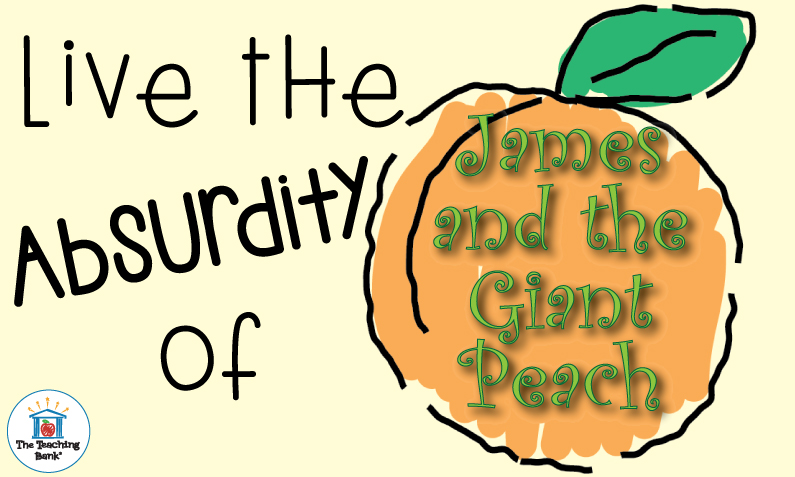
In the vast landscape of children’s literature, few authors hold the revered status of Roald Dahl. His timeless tales have captivated young minds for generations, inviting readers into whimsical worlds where imagination knows no bounds. Among his literary treasures, James and the Giant Peach stands as a beacon of creativity and wonder. For educators seeking to ignite a love for reading and learning in their students, incorporating this beloved novel into the classroom can yield profound benefits.
We earn a commission if you make a purchase, at no additional cost to you.
Benefits of Using James and the Giant Peach in Your Classroom:
Sparks Imagination: At its core, James and the Giant Peach is a celebration of imagination. Through Dahl’s vivid prose and fantastical storytelling, readers are transported to a world where ordinary objects take on extraordinary dimensions. From a colossal peach serving as a vessel for adventure to a band of anthropomorphic insects, the novel sparks the imagination like few others. By immersing students in this whimsical realm, teachers can inspire creativity and encourage outside-the-box thinking.
Promotes Literacy Skills: Beyond its enchanting narrative, James and the Giant Peach offers ample opportunities for literacy development. Through engaging dialogue, descriptive language, and rich character development, students are exposed to various literary techniques that enhance their reading comprehension and vocabulary. Additionally, the novel’s themes of friendship, resilience, and the power of imagination provide fertile ground for meaningful discussions and critical thinking exercises.
Brings Cultural Relevance: Roald Dahl’s works have left a mark on popular culture, and James and the Giant Peach is no exception. With its timeless themes and enduring charm, the novel remains a perennial favorite among readers of all ages. By incorporating such culturally significant texts into the curriculum, teachers can foster a deeper appreciation for literature while exposing students to diverse storytelling traditions.
Opportunities for Multidisciplinary Learning: James and the Giant Peach lends itself seamlessly to multidisciplinary learning opportunities. From science lessons exploring the life cycle of insects to geography studies tracing James’s journey across the Atlantic, the novel provides a rich tapestry for cross-curricular exploration. By integrating various subjects through a common literary lens, educators can create cohesive learning experiences that resonate with students on multiple levels.
Fosters a Love for Reading: Perhaps most importantly, James and the Giant Peach has the power to instill a lifelong love for reading in young learners. By captivating students with its imaginative narrative and lovable characters, the novel can serve as a gateway to a world of literary exploration. Through shared reading experiences, classroom discussions, and interactive activities, teachers can cultivate a supportive reading environment where every student feels encouraged to embark on their own literary adventures.
By embracing timeless classics like James and the Giant Peach in the classroom, teachers can ignite the spark of imagination, promote literacy skills, and instill a lifelong appreciation for literature in their students. As Roald Dahl himself once said, “So please, oh please, we beg, we pray, go throw your TV set away, and in its place, you can install a lovely bookshelf on the wall.” Today we could replace “TV” with a phone or game system! With novels like James and the Giant Peach, educators have the power to open doors to worlds of wonder and possibility for generations to come.
I offer a complete novel study to accompany James and the Giant Peach for use in the classroom or homeschool. The unit includes both a printable format and a Google Drive™ format for use in a paperless classroom or with Google Classroom.
Try a free sample of the novel study for James and the Giant Peach
You can purchase this novel study at the following locations:
Are you interested in reading about and sharing ideas with other educators on using children’s literature in your classroom? My goal is to bring together teachers and homeschoolers who teach grades 3-8 and use novels with their students. I’d love for you to join me to learn, share, and grow together!
The Lemonade War by Jacqueline Davies has the power to captivate young minds and impart valuable life lessons. The story is one of sibling rivalry and the road to entrepreneurship, at its finest.
We earn a commission if you make a purchase, at no additional cost to you.
Benefits of Using The Lemonade War in Your Classroom:
ProvidesRelevance to Real-life Situations: The Lemonade War revolves around the entrepreneurial endeavors of siblings, Jessie and Evan, as they compete to run successful lemonade stands. This storyline mirrors real-life scenarios, allowing students to connect with the characters and the challenges they face. By exploring themes of competition, cooperation, and resilience, teachers can initiate meaningful discussions on problem-solving and conflict resolution.
OffersMultidisciplinary Learning Opportunities: Davies’ novel is rich with themes and topics that span various academic disciplines. From mathematics (calculating profits and losses) to economics (understanding market dynamics) and even social studies (exploring entrepreneurship), The Lemonade War serves as a versatile educational resource. Teachers can weave interdisciplinary connections, fostering a holistic approach to learning.
Promotes Literacy Skills: As an engaging work of fiction, The Lemonade War captivates students’ imagination and cultivates their literacy skills. Through colorful storytelling and relatable characters, Davies not only entertains but also educates. Teachers can leverage the novel to enhance students’ reading comprehension, vocabulary, and critical thinking abilities. Furthermore, structured activities such as journal prompts, character analyses, and plot summaries can deepen students’ understanding of the text.
Cultivates Empathy and Emotional Intelligence: Beyond its academic merits, The Lemonade War offers valuable lessons in empathy and emotional intelligence. By diving into the characters’ motivations, struggles, and triumphs, students develop a deeper understanding of human emotions and interpersonal dynamics. Teachers can facilitate discussions on empathy, perspective-taking, and conflict resolution, nurturing students’ social-emotional competencies in the process.
Brings Diverse Representation and Inclusive Narratives: Davies’ novel features a diverse cast of characters, reflecting the richness of the human experience. By presenting characters from various backgrounds and perspectives, The Lemonade War promotes inclusivity and celebrates diversity. Teachers can use the book as a springboard for conversations about identity, representation, and cultural awareness, fostering an inclusive classroom environment where every student feels seen and valued.
Incorporating The Lemonade War into the classroom offers a multitude of benefits, ranging from academic enrichment to the cultivation of essential life skills. By embracing this captivating novel, teachers can ignite students’ curiosity, spark meaningful discussions, and instill a lifelong love for reading.
I offer a complete novel study to accompany The Lemonade War for use in the classroom or homeschool. The unit includes both a printable format and a Google Drive™ format for use in a paperless classroom or with Google Classroom.
Try a free sample of the novel study for The Lemonade War
You can purchase this novel study at the following locations:
Are you interested in reading about and sharing ideas with other educators on using children’s literature in your classroom? My goal is to bring together teachers and homeschoolers who teach grades 3-8 and use novels with their students. I’d love for you to join me to learn, share, and grow together!
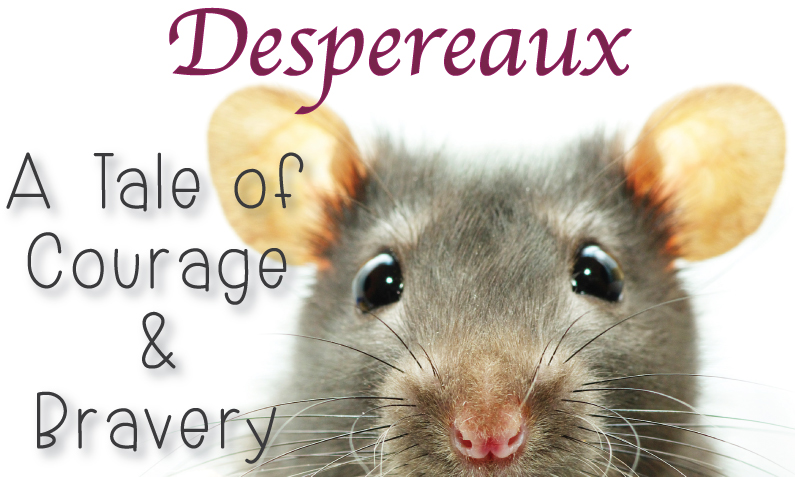
The Tale of Despereaux is the story of a mouse, a princess, some soup, and a spool of thread! It’s a tale of courage and bravery and overcoming the odds. Told in parts (Books) and a Coda showcasing different points of view, it is a great book to use in your classroom or homeschool for a whole class novel study, small book groups, or individual book studies.
We earn a commission if you make a purchase, at no additional cost to you.
Benefits of Using The Tale of Despereaux in Your Classroom:
Fosters Empathy Through Character Exploration: The Tale of Despereaux introduces readers to a diverse cast of characters, each grappling with their own struggles and desires. From the brave and diminutive mouse Despereaux, to the misunderstood rat Roscuro, the novel provides ample opportunities for students to empathize with characters from different backgrounds and perspectives. By delving into the motivations and emotions of these characters, students can develop a deeper understanding of empathy and compassion, essential skills for navigating the complexities of the world.
Promotes Critical Thinking and Analysis: Beyond its enchanting storyline, The Tale of Despereaux offers rich opportunities for critical analysis and discussion. Teachers can guide students in exploring themes such as bravery, forgiveness, and the power of storytelling, encouraging them to reflect on their own experiences and beliefs. Through thoughtful questioning and exploration, students can hone their critical thinking skills and learn to engage with literature on a deeper level.
Enhances Literacy Skills Through Multimodal Learning: Incorporating The Tale of Despereaux into the classroom provides opportunities for multimodal learning experiences that cater to diverse learning styles. From reading the text aloud to engaging in dramatic reenactments or creating visual representations of key scenes, teachers can cater to auditory, visual, and kinesthetic learners alike. By immersing students in the world of the novel through various mediums, teachers can enhance literacy skills while fostering a love of reading and storytelling.
Connects Curriculum Across Disciplines: The Tale of Despereaux lends itself to interdisciplinary exploration, making it a versatile addition to any classroom curriculum. Teachers can integrate elements of history, geography, and even culinary arts by exploring the medieval setting of the story and discussing the cultural influences at play. Furthermore, the novel’s themes of resilience and overcoming adversity provide opportunities for discussions about character education and social-emotional learning.
Inspires Creativity and Imagination: At its core, The Tale of Despereaux is a celebration of the power of imagination and the transformative nature of storytelling. By immersing students in the whimsical world of the novel, teachers can inspire creativity and spark the imagination of young minds. Whether through creative writing assignments, art projects, or imaginative play, students can explore their own creativity while engaging with the themes and characters of the story.
The Tale of Despereaux stands as a testament to the enduring power of children’s literature to inspire, educate, and uplift. By integrating this beloved novel into their classroom curriculum, teachers can unlock a world of learning opportunities for their students, fostering empathy, critical thinking, and creativity along the way. The Tale of Despereaux serves as a beacon of light, guiding students on a transformative journey of discovery and self-reflection.
I offer a complete novel study to accompany The Tale of Despereaux for use in the classroom or homeschool. The unit includes both a printable format and a Google Drive™ format for use in a paperless classroom or with Google Classroom.
Try a free sample of the novel study for The Tale of Despereaux
You can purchase this novel study at the following locations:
Are you interested in reading about and sharing ideas with other educators on using children’s literature in your classroom? My goal is to bring together teachers and homeschoolers who teach grades 3-8 and use novels with their students. I’d love for you to join me to learn, share, and grow together!
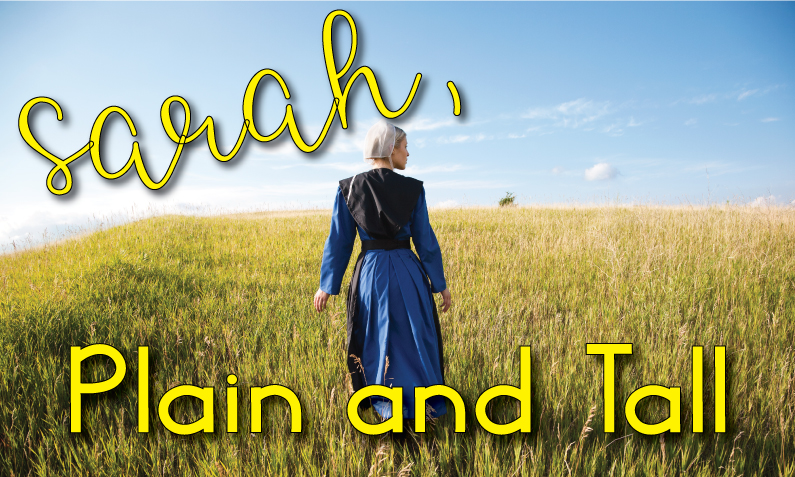
Sarah, Plain and Tall is a historical fiction novel set in the 19th Century Midwestern Plains written by Patricia MacLachlan. The story is a beautiful tale of exploring the themes of loneliness, loss, grief, and rebirth. This is a wonderful book to use for a novel study, literature circles, book clubs, or individual study in the classroom or home school.
We earn a commission if you make a purchase, at no additional cost to you.
Sarah Plain and Tall is a beloved children’s book that has been a staple in classrooms for years. It tells the story of a young girl named Anna and her family’s journey to find love and acceptance with the arrival of Sarah, a mail-order bride. This book has won numerous awards and is a perfect addition to any classroom.
Why you should use Sarah Plain and Tall in your classroom and how it can benefit your students.
Engaging and Accessible Content: One of the main reasons why Sarah, Plain and Tall is a great choice for classroom use is its engaging and accessible content. The book is written in simple language that is easy for young readers to understand, making it perfect for students in grades 3-5. The story is also full of interesting characters, vivid descriptions of the prairie, and themes of love, loss, and family that will capture students’ attention and imagination.
Teaches important life lessons: Sarah, Plain and Tall is a book about love, loss, and acceptance. It explores the idea of blending families, which is something many children can relate to. It also teaches children about the importance of being open-minded, accepting others, showing kindness towards others, and understanding that differences can be a source of strength.
Historical Significance: Sarah, Plain and Tall is set in the late 19th century, and as such, it provides a glimpse into life during that time period. The book touches on important historical themes, such as westward expansion and the mail-order bride system, making it a great resource for social studies lessons. Teachers can use this book to start discussions on the history of the American West, the Homestead Act, and the hardships faced by pioneers.
Integration with Other Subjects: In addition to its historical significance, Sarah, Plain and Tall can be integrated with other subjects, such as language arts and science. For language arts, teachers can use the book to teach literary elements, such as plot, character development, and theme. They can also use the book to teach writing skills, such as descriptive writing and dialogue. For science, teachers can use the book to teach about the ecology of the prairie and the plants and animals that live there.
Great way to introduce literary devices: Sarah, Plain and Tall is filled with literary devices such as metaphor, simile, and personification. This makes it a great way to introduce these concepts to young readers in a fun and engaging way.
Great way to start discussions: Sarah, Plain and Tall deals with complex themes and emotions that can be difficult for young children to understand. However, by using the book as a starting point, teachers can encourage children to discuss their own experiences and feelings, and learn from each other in the process.
Try a free sample of the novel study for Sarah, Plain and Tall
Sarah Plain and Tall is a timeless classic that is a perfect addition to any classroom. Its engaging and accessible content, historical significance, integration with other subjects, and positive social themes make it an ideal resource for teachers. By using this book in your classroom, you can help your students develop a love of reading, a deeper understanding of history and science, and important social and emotional skills that will serve them well throughout their lives. It’s a beautiful, simple story of loss, grief, and taking the risk of opening yourself up to love again.
I offer a complete novel study to accompany Sarah, Plain and Tall for use in the classroom or homeschool. The unit includes both a printable format and a Google Drive™ format for use in a paperless classroom or with Google Classroom.
You can purchase this novel study at the following locations:
Are you interested in reading about and sharing ideas with other educators on using children’s literature in your classroom? My goal is to bring together teachers and homeschoolers who teach grades 3-8 and use novels with their students. I’d love for you to join me to learn, share, and grow together!